在数字化社区交流需求日益增长的背景下,传统的信息发布与互动方式面临着渠道分散、管理低效、互动性弱等挑战。针对这一痛点,采用SSM(Spring + SpringMVC + MyBatis)框架构建的智慧社区交流平台应运而生。该系统通过标准化的板块划分、集中的内容管理和完善的用户交互机制,为高校社团、企业团队及兴趣社区提供了高效的知识共享与讨论环境。
系统采用经典的三层架构设计,实现了业务逻辑的清晰分离。Spring框架作为核心控制容器,通过依赖注入管理业务对象生命周期,并借助声明式事务管理确保数据操作的原子性和一致性。SpringMVC框架负责Web请求的调度与响应,通过精准的控制器映射和视图解析机制,将用户请求高效路由至对应的业务处理器。数据持久层采用MyBatis框架,通过灵活的XML配置实现Java对象与关系型数据库的映射,结合动态SQL能力,显著提升了复杂查询场景下的开发效率。
数据库设计方面,系统包含18张核心数据表,形成了完整的社区数据生态。其中用户表(user)采用分级权限设计,通过role字段实现管理员、版主、普通用户的三级权限控制,配合status字段支持账户状态管理。帖子表(post)的设计尤为精妙,通过section_id字段建立与版块表的关联,采用title、content、create_time构成核心内容体系,同时引入view_count、reply_count字段实现热度统计,为内容推荐算法预留数据接口。回复表(reply)采用多层嵌套设计,parent_id字段支持楼中楼回复功能,tree_path字段通过路径枚举算法实现回复链路的快速追溯,配合like_count字段构建互动评价体系。
用户认证模块采用双因素验证机制,通过Session管理保持登录状态。以下是用户登录控制的核心代码实现:
@Controller
@RequestMapping("/user")
public class UserController {
    @Autowired
    private UserService userService;

    @PostMapping("/login")
    public String login(String username, String password,
                       HttpSession session, Model model) {
        User user = userService.login(username, password);
        if(user != null && user.getStatus() == 1) {
            session.setAttribute("user", user);
            return "redirect:/index";
        } else {
            model.addAttribute("error", "用户名或密码错误");
            return "login";
        }
    }
}
帖子发布功能采用富文本编辑器支持多媒体内容,以下是帖子服务的核心处理逻辑:
@Service
public class PostService {
    @Autowired
    private PostMapper postMapper;

    @Transactional
    public boolean createPost(Post post) {
        post.setCreateTime(new Date());
        post.setUpdateTime(new Date());
        post.setViewCount(0);
        post.setReplyCount(0);
        int result = postMapper.insert(post);
        return result > 0;
    }

    public Post getPostDetail(Integer postId) {
        Post post = postMapper.selectById(postId);
        if(post != null) {
            postMapper.increaseViewCount(postId);
        }
        return post;
    }
}
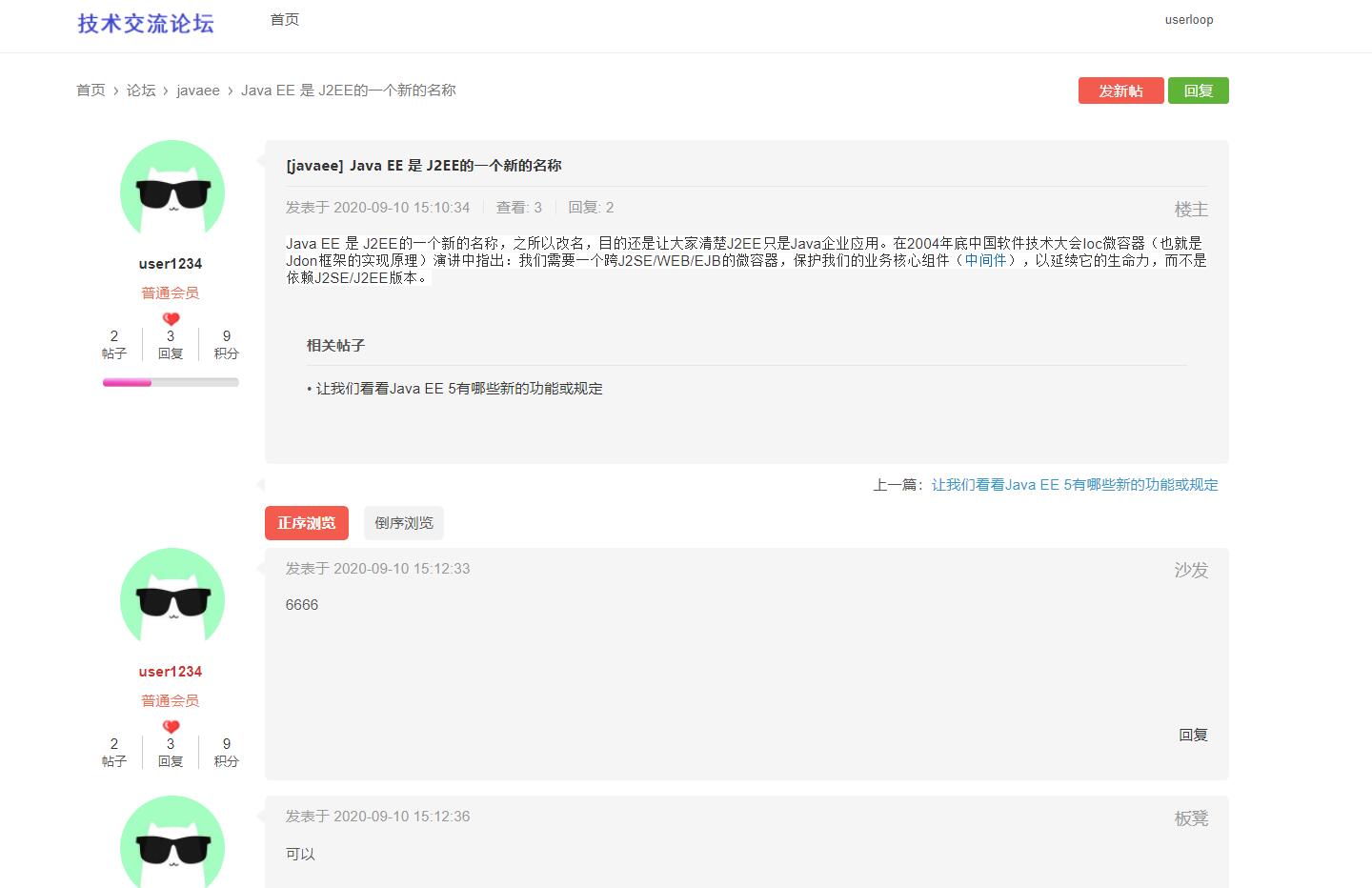
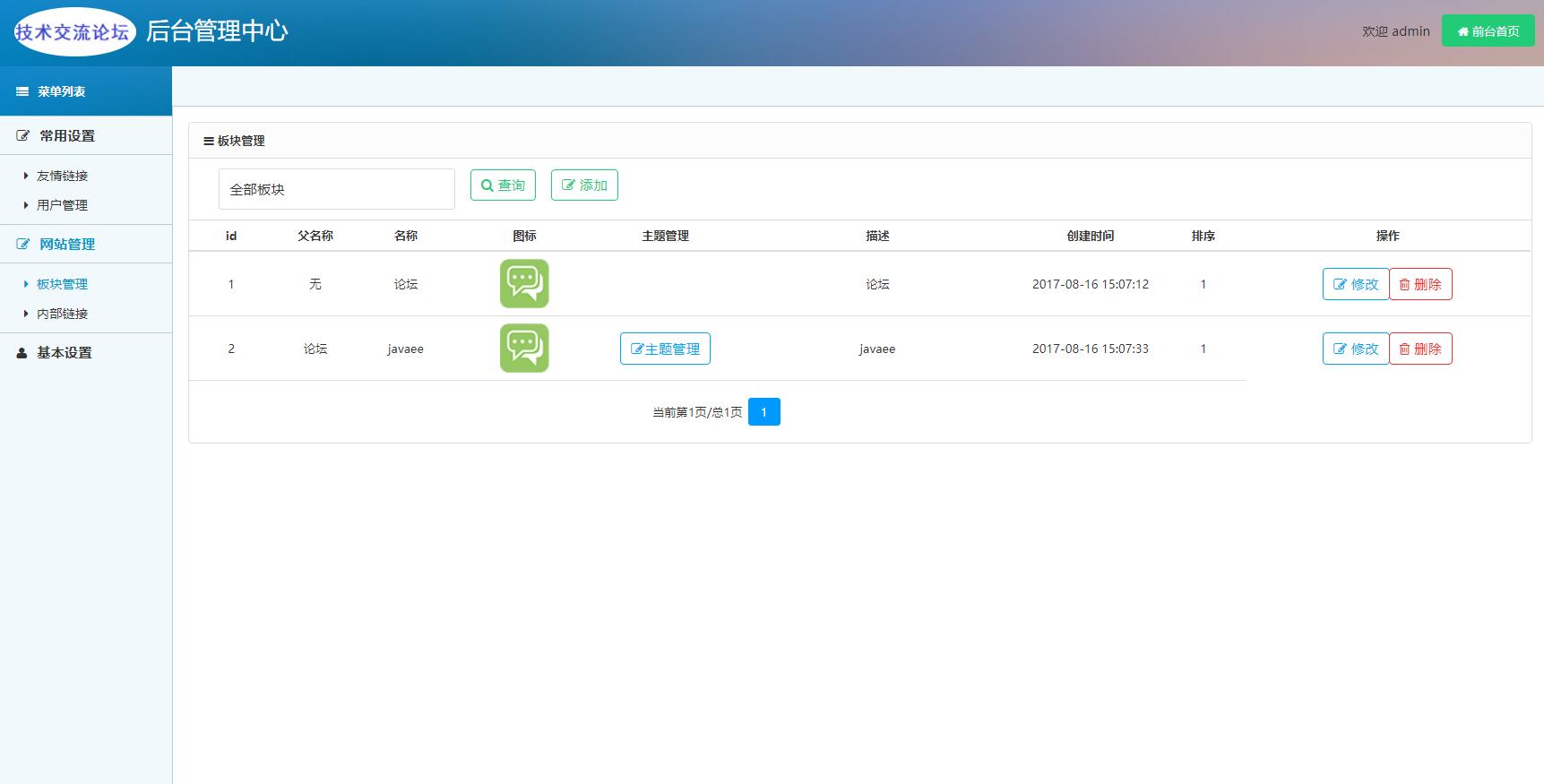
版块管理模块采用树形结构设计,支持多级版块分类。以下是版块数据访问层的动态SQL实现:
<!-- SectionMapper.xml -->
<select id="selectSectionsByParent" resultType="Section">
    SELECT id, name, description, parent_id, order_num,
           (SELECT COUNT(*) FROM post WHERE section_id = s.id) as post_count
    FROM section s
    <where>
        <if test="parentId != null">
            parent_id = #{parentId}
        </if>
        <if test="parentId == null">
            parent_id IS NULL
        </if>
    </where>
    ORDER BY order_num ASC
</select>
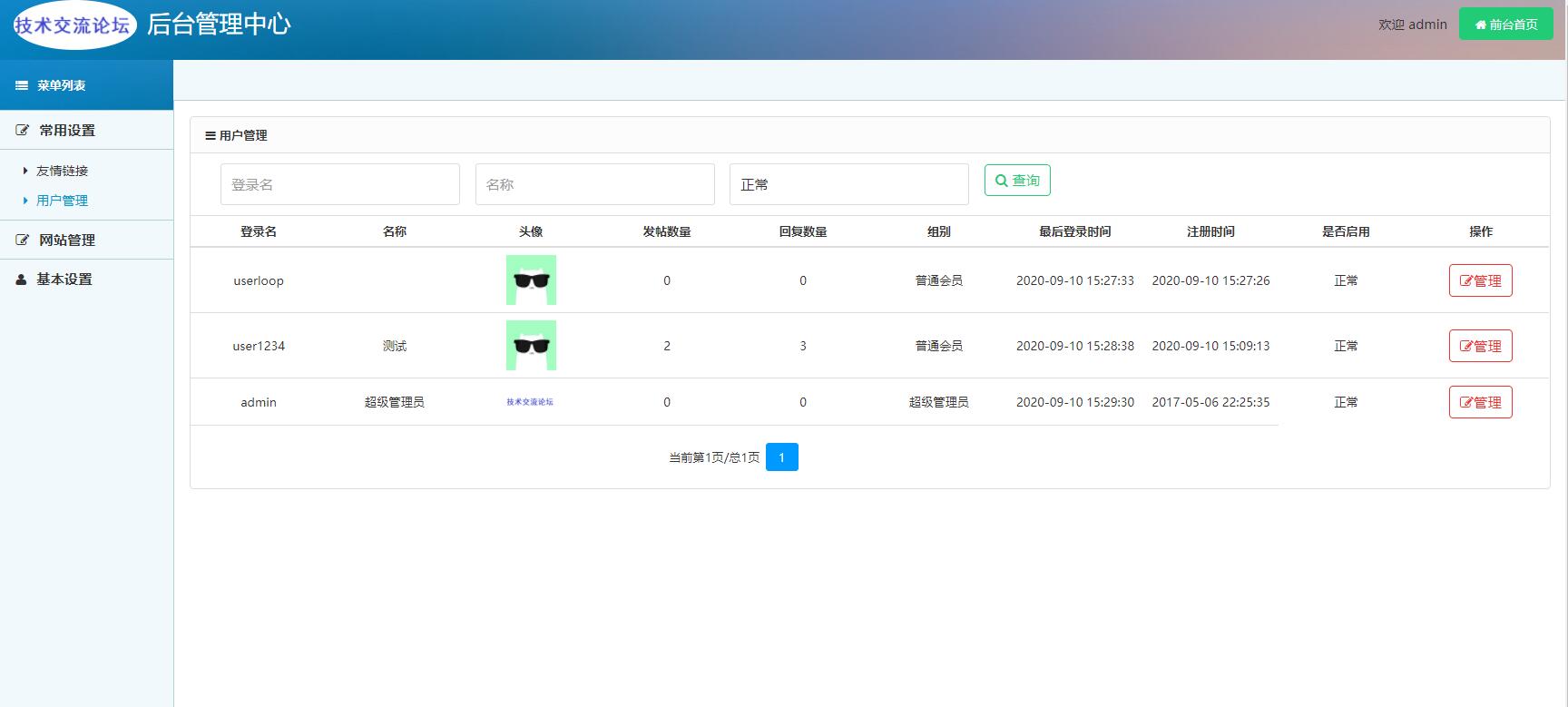
后台管理系统采用RBAC权限模型,支持细粒度的权限分配。管理员可以通过可视化界面进行用户管理、内容审核和系统配置:
@RestController
@RequestMapping("/admin")
public class AdminController {
    @PostMapping("/user/status")
    public ResponseEntity<?> updateUserStatus(
            @RequestParam Integer userId,
            @RequestParam Integer status) {
        try {
            userService.updateStatus(userId, status);
            return ResponseEntity.ok("操作成功");
        } catch (Exception e) {
            return ResponseEntity.badRequest().body("操作失败");
        }
    }
}
个人中心模块提供完整的用户画像管理,支持头像上传、个性签名、帖子收藏等功能。以下是文件上传服务的实现:
@Service
public class FileService {
    public String uploadAvatar(MultipartFile file, String uploadPath) {
        if (file.isEmpty()) {
            throw new RuntimeException("文件为空");
        }

        String fileName = UUID.randomUUID() +
                         getFileExtension(file.getOriginalFilename());
        File dest = new File(uploadPath + fileName);

        try {
            file.transferTo(dest);
            return "/upload/" + fileName;
        } catch (IOException e) {
            throw new RuntimeException("文件上传失败", e);
        }
    }
}
搜索功能采用多字段模糊匹配算法,支持标题、内容和作者联合搜索:
<select id="searchPosts" resultType="Post">
    SELECT p.*, u.username, s.name as section_name
    FROM post p
    LEFT JOIN user u ON p.user_id = u.id
    LEFT JOIN section s ON p.section_id = s.id
    <where>
        <if test="keyword != null and keyword != ''">
            (p.title LIKE CONCAT('%', #{keyword}, '%')
             OR p.content LIKE CONCAT('%', #{keyword}, '%')
             OR u.username LIKE CONCAT('%', #{keyword}, '%'))
        </if>
        <if test="sectionId != null">
            AND p.section_id = #{sectionId}
        </if>
    </where>
    ORDER BY p.create_time DESC
</select>
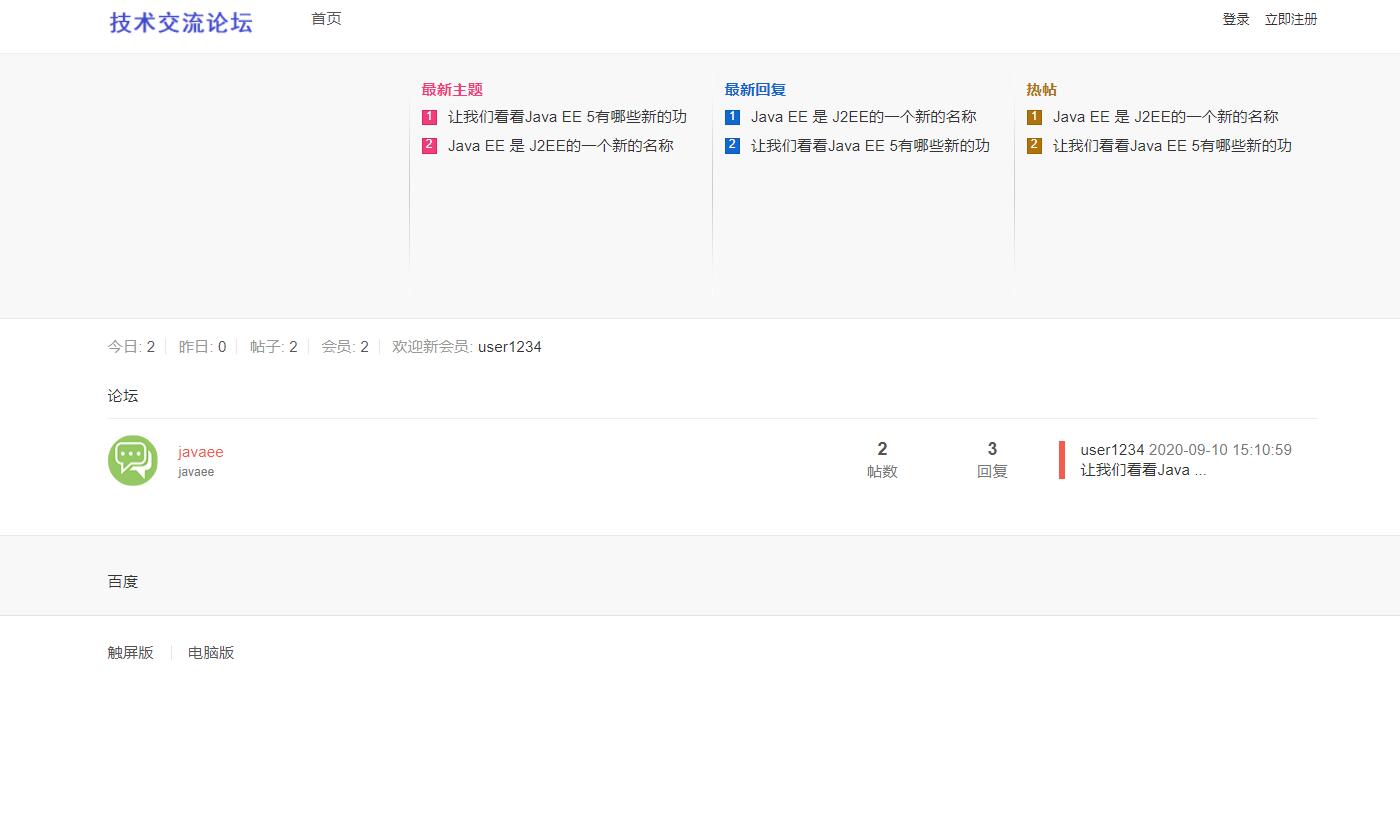
系统配置模块采用缓存机制提升性能,网站设置信息在启动时加载到内存中:
@Component
public class ConfigService {
    @Autowired
    private ConfigMapper configMapper;

    private ConcurrentHashMap<String, String> configCache =
        new ConcurrentHashMap<>();

    @PostConstruct
    public void initCache() {
        List<Config> configs = configMapper.selectAll();
        configs.forEach(config ->
            configCache.put(config.getKey(), config.getValue()));
    }

    public String getValue(String key) {
        return configCache.get(key);
    }
}
实体模型设计严格遵循领域驱动设计原则,核心实体包含完整的业务属性和行为方法。用户实体包含权限验证逻辑:
public class User {
    private Integer id;
    private String username;
    private String password;
    private String email;
    private Integer role;
    private Integer status;
    private Date createTime;

    public boolean isAdmin() {
        return role != null && role == 1;
    }

    public boolean isModerator() {
        return role != null && role == 2;
    }
}
帖子实体封装了业务规则和状态管理:
public class Post {
    private Integer id;
    private String title;
    private String content;
    private Integer userId;
    private Integer sectionId;
    private Integer viewCount;
    private Integer replyCount;
    private Date createTime;
    private Date updateTime;

    public boolean canEdit(User user) {
        return user != null &&
               (user.isAdmin() || user.getId().equals(this.userId));
    }
}
系统在以下方面具备显著的优化潜力:首先可引入Elasticsearch实现全文检索功能,通过倒排索引提升搜索效率和相关性排序精度。其次可集成WebSocket协议实现实时消息推送,支持在线用户状态显示和即时私信功能。第三可开发移动端适配方案,采用响应式设计或独立APP开发满足多端访问需求。第四可引入机器学习算法实现智能内容推荐,基于用户行为历史构建个性化推荐模型。最后可增强数据可视化能力,通过ECharts等工具展示社区活跃度趋势和热点话题分析。
在性能优化方面,建议实施数据库读写分离架构,通过MyCat等中间件实现查询负载均衡。引入Redis缓存热点数据,减少数据库直接访问压力。采用CDN加速静态资源加载,提升用户访问体验。实施SQL语句性能监控,建立慢查询预警机制确保系统稳定运行。
该系统通过严谨的架构设计和完整的功能实现,为社区交流场景提供了可靠的技术解决方案。其模块化设计便于功能扩展,清晰的代码结构有利于团队协作开发,为后续迭代升级奠定了坚实基础。