在传统生鲜消费模式面临地域限制、信息不对称等痛点的背景下,数字化电商解决方案成为行业转型升级的关键路径。本项目采用SSM(Spring+SpringMVC+MyBatis)技术栈构建的"鲜果优选"电商平台,通过模块化架构设计和精细化数据模型,实现了生鲜产品从展示、交易到配送的全流程数字化管理。
技术架构设计
系统采用典型的三层架构模式,各层之间通过接口抽象实现松耦合。Spring框架作为IoC容器核心,通过注解驱动方式管理Bean生命周期,其声明式事务管理机制确保订单创建、库存更新等关键操作的原子性。SpringMVC采用前端控制器模式,通过@Controller注解实现请求路由,配合Interceptor实现权限验证链。MyBatis作为ORM框架,借助动态SQL生成能力,有效处理多条件商品查询等复杂场景。前端页面采用JSP模板引擎渲染,结合AJAX异步通信技术实现动态内容加载。
数据持久层通过连接池优化数据库访问性能,事务管理采用@Transactional注解实现细粒度控制。以下展示商品查询服务的典型实现:
@Service
@Transactional
public class ProductServiceImpl implements ProductService {
    @Autowired
    private ProductMapper productMapper;

    @Override
    public PageInfo<Product> getProductsByCondition(Map<String, Object> params, int pageNum, int pageSize) {
        PageHelper.startPage(pageNum, pageSize);
        List<Product> products = productMapper.selectByCondition(params);
        return new PageInfo<>(products);
    }

    @Override
    @Transactional(readOnly = true)
    public Product getProductDetail(Integer productId) {
        return productMapper.selectWithCategoryById(productId);
    }
}
数据库模型精析
数据库设计遵循第三范式原则,通过外键约束保障数据一致性。核心表结构设计体现业务实体间的关联关系:
**商品信息表(product)**采用分类层级设计,通过category_id与分类表建立关联。price字段使用DECIMAL类型确保金额计算精度,stock_count字段实现实时库存监控。status状态位支持商品上架/下架状态管理:
CREATE TABLE product (
  product_id INT PRIMARY KEY AUTO_INCREMENT,
  product_name VARCHAR(100) NOT NULL,
  category_id INT NOT NULL,
  price DECIMAL(10,2) NOT NULL,
  stock_count INT DEFAULT 0,
  main_image VARCHAR(500),
  detail_text TEXT,
  status TINYINT DEFAULT 1,
  create_time TIMESTAMP DEFAULT CURRENT_TIMESTAMP,
  update_time TIMESTAMP DEFAULT CURRENT_TIMESTAMP ON UPDATE CURRENT_TIMESTAMP,
  FOREIGN KEY (category_id) REFERENCES product_category(category_id)
) ENGINE=InnoDB DEFAULT CHARSET=utf8mb4;
**订单主表(order_master)**采用分布式ID生成策略,order_no字段唯一索引保障交易唯一性。order_status字段通过状态机模式管理订单生命周期,pay_status字段与支付网关同步更新:
CREATE TABLE order_master (
  order_id INT PRIMARY KEY AUTO_INCREMENT,
  order_no VARCHAR(32) UNIQUE NOT NULL,
  user_id INT NOT NULL,
  total_amount DECIMAL(10,2) NOT NULL,
  order_status TINYINT DEFAULT 0,
  pay_status TINYINT DEFAULT 0,
  create_time TIMESTAMP DEFAULT CURRENT_TIMESTAMP,
  pay_time TIMESTAMP NULL,
  FOREIGN KEY (user_id) REFERENCES user(user_id)
) ENGINE=InnoDB DEFAULT CHARSET=utf8mb4;
**购物车表(cart)**设计支持多商品合并操作,quantity字段实现数量动态调整,selected字段支持部分结算场景。联合唯一索引防止重复添加:
CREATE TABLE cart (
  cart_id INT PRIMARY KEY AUTO_INCREMENT,
  user_id INT NOT NULL,
  product_id INT NOT NULL,
  quantity INT NOT NULL DEFAULT 1,
  selected TINYINT DEFAULT 1,
  create_time TIMESTAMP DEFAULT CURRENT_TIMESTAMP,
  update_time TIMESTAMP DEFAULT CURRENT_TIMESTAMP ON UPDATE CURRENT_TIMESTAMP,
  UNIQUE KEY uk_user_product (user_id, product_id),
  FOREIGN KEY (user_id) REFERENCES user(user_id),
  FOREIGN KEY (product_id) REFERENCES product(product_id)
) ENGINE=InnoDB DEFAULT CHARSET=utf8mb4;
核心功能实现解析
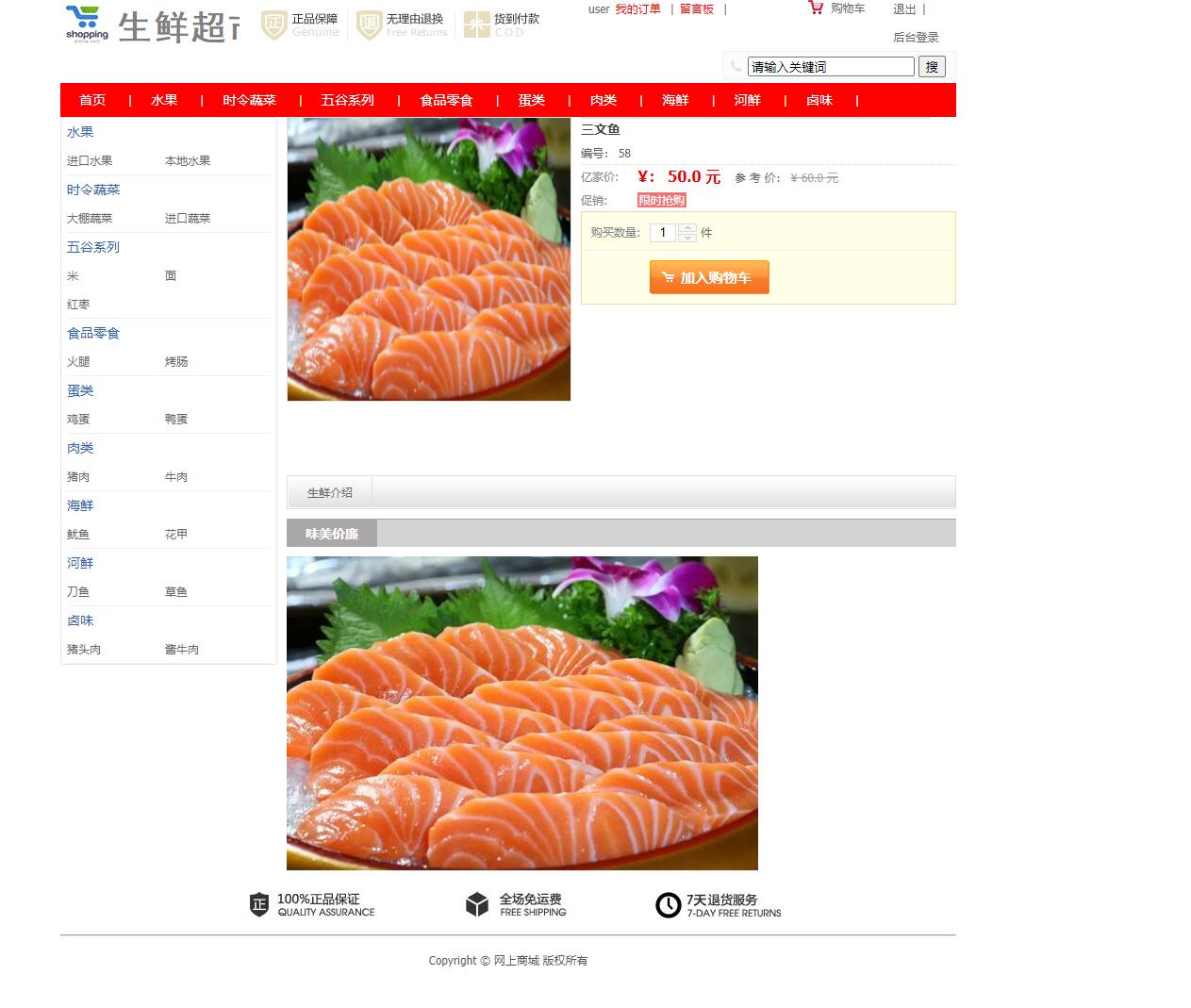
1. 商品展示与搜索系统
商品列表页采用瀑布流布局,后端通过MyBatis动态SQL实现多条件筛选。价格排序功能通过数据库索引优化查询性能:
<select id="selectByCondition" parameterType="map" resultMap="ProductResultMap">
  SELECT * FROM product
  <where>
    status = 1
    <if test="categoryId != null">AND category_id = #{categoryId}</if>
    <if test="minPrice != null">AND price >= #{minPrice}</if>
    <if test="maxPrice != null">AND price <= #{maxPrice}</if>
    <if test="keyword != null">AND product_name LIKE CONCAT('%',#{keyword},'%')</if>
  </where>
  <choose>
    <when test="sortType == 'price_asc'">ORDER BY price ASC</when>
    <when test="sortType == 'price_desc'">ORDER BY price DESC</when>
    <otherwise>ORDER BY create_time DESC</otherwise>
  </choose>
</select>
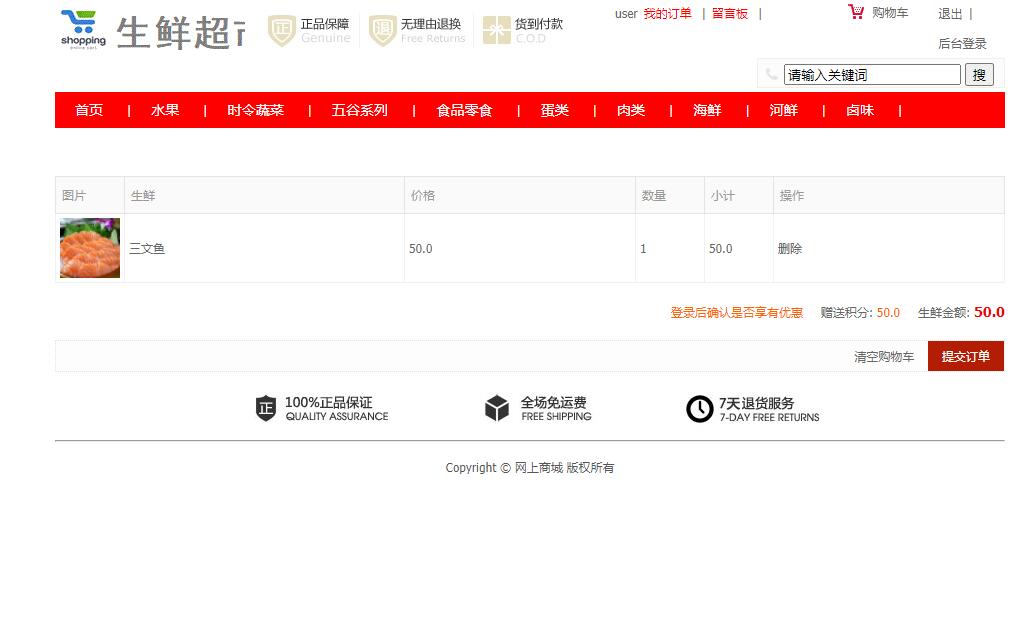
2. 购物车与库存校验
购物车服务采用Redis缓存热点数据,库存校验通过悲观锁防止超卖。添加购物车时实时验证库存充足性:
@Controller
@RequestMapping("/cart")
public class CartController {
    @PostMapping("/add")
    @ResponseBody
    public ResponseEntity<String> addToCart(@RequestParam Integer productId,
                                          @RequestParam Integer quantity,
                                          HttpSession session) {
        User user = (User) session.getAttribute("currentUser");
        if (user == null) {
            return ResponseEntity.status(HttpStatus.UNAUTHORIZED).build();
        }

        Product product = productService.getProductDetail(productId);
        if (product.getStockCount() < quantity) {
            return ResponseEntity.badRequest().body("库存不足");
        }

        cartService.addOrUpdateCartItem(user.getUserId(), productId, quantity);
        return ResponseEntity.ok("添加成功");
    }
}
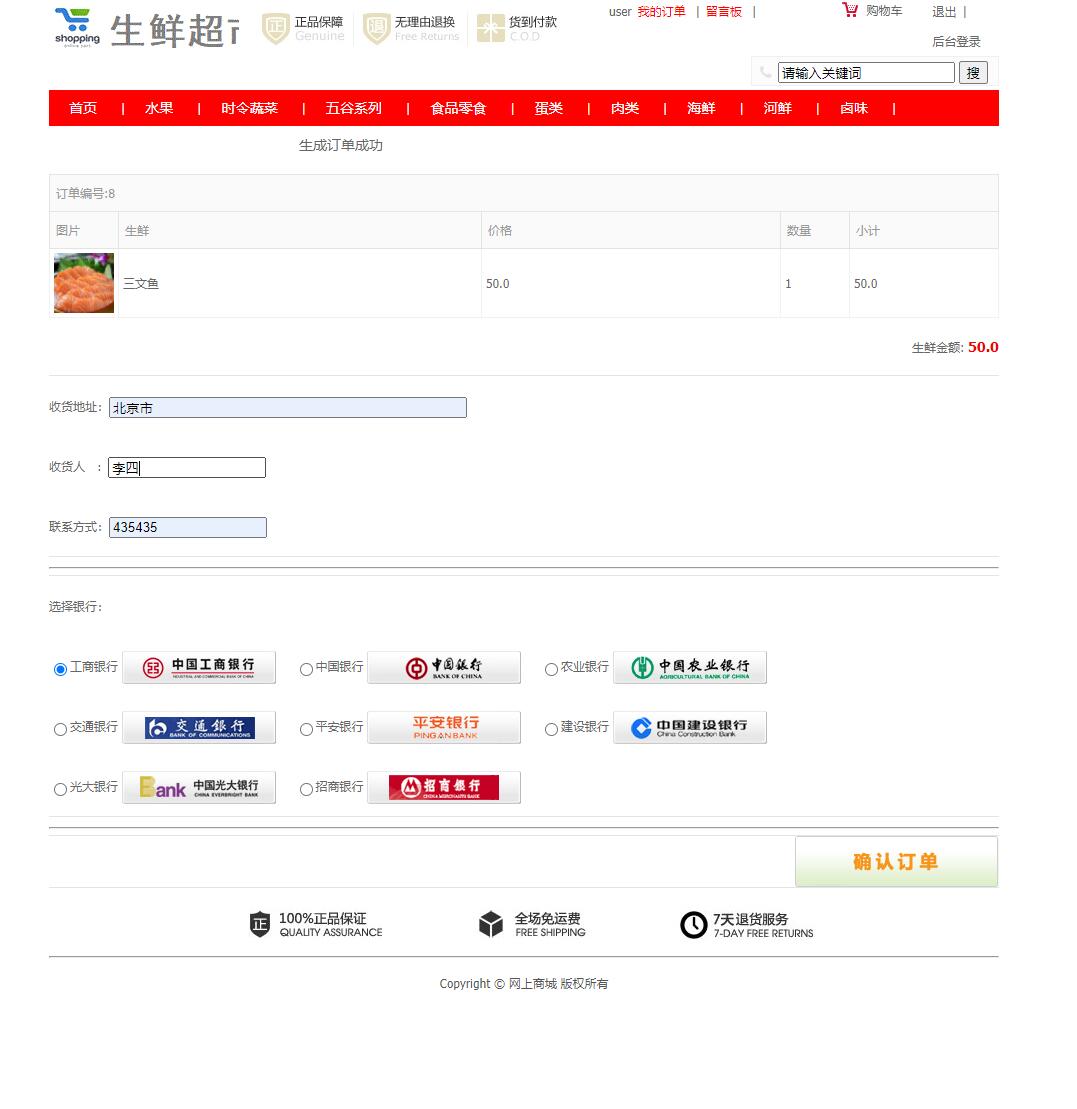
3. 订单状态机管理
订单服务采用状态模式管理订单流转,通过策略模式实现不同状态下的业务逻辑分离。订单创建过程包含库存预扣减和支付流水记录:
@Service
public class OrderServiceImpl implements OrderService {
    @Override
    @Transactional
    public Order createOrder(OrderDTO orderDTO) {
        // 库存校验与锁定
        for (OrderItemDTO item : orderDTO.getItems()) {
            int affected = productMapper.reduceStock(item.getProductId(), item.getQuantity());
            if (affected == 0) {
                throw new BusinessException("商品库存不足");
            }
        }

        // 生成订单号
        String orderNo = generateOrderNo();
        Order order = new Order();
        order.setOrderNo(orderNo);
        order.setUserId(orderDTO.getUserId());
        order.setTotalAmount(calculateTotal(orderDTO.getItems()));

        orderMapper.insert(order);
        orderItemMapper.batchInsert(convertItems(order.getOrderId(), orderDTO.getItems()));
        return order;
    }

    private String generateOrderNo() {
        return System.currentTimeMillis() +
               String.valueOf(new Random().nextInt(9000) + 1000);
    }
}
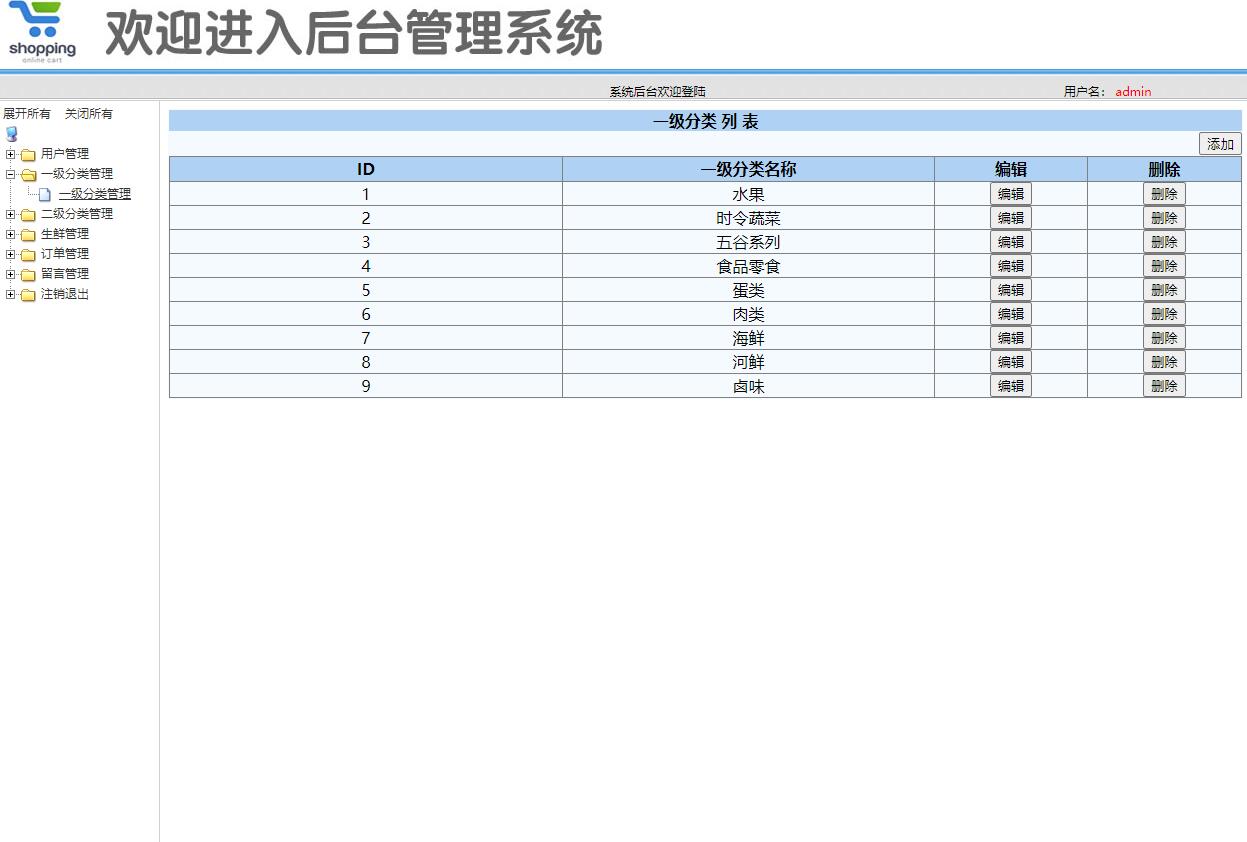
4. 管理员商品管控
后台管理系统采用RBAC权限模型,商品管理模块支持批量操作和实时库存调整。分类管理实现无限级树形结构:
@RestController
@RequestMapping("/admin/product")
public class AdminProductController {
    @PostMapping("/batchUpdateStatus")
    public ResponseEntity<?> batchUpdateStatus(@RequestBody BatchUpdateDTO dto) {
        if (dto.getIds() == null || dto.getIds().isEmpty()) {
            return ResponseEntity.badRequest().body("请选择商品");
        }

        productMapper.batchUpdateStatus(dto.getIds(), dto.getStatus());
        log.info("管理员批量更新商品状态,数量:{}", dto.getIds().size());
        return ResponseEntity.ok().build();
    }

    @GetMapping("/categoryTree")
    public List<CategoryVO> getCategoryTree() {
        return categoryService.buildCategoryTree();
    }
}
实体关系建模
系统通过JPA注解实现对象关系映射,实体类设计体现业务领域模型。用户实体与订单实体构成一对多关系,商品与分类构成多对一关系:
@Entity
@Table(name = "user")
public class User {
    @Id
    @GeneratedValue(strategy = GenerationType.IDENTITY)
    private Integer userId;

    private String username;
    private String password;
    private String email;
    private String phone;
    private Integer role; // 0-管理员 1-普通用户

    @OneToMany(mappedBy = "user")
    private List<Order> orders;

    @OneToMany(mappedBy = "user")
    private List<Cart> cartItems;
}

@Entity
@Table(name = "product")
public class Product {
    @Id
    @GeneratedValue(strategy = GenerationType.IDENTITY)
    private Integer productId;

    private String productName;
    private BigDecimal price;
    private Integer stockCount;

    @ManyToOne
    @JoinColumn(name = "category_id")
    private ProductCategory category;
}
性能优化策略
数据库查询优化通过复合索引提升检索效率,商品表建立(category_id, status, create_time)复合索引加速分类查询。订单表通过order_no字段唯一索引优化订单查询性能。应用层采用二级缓存策略,MyBatis整合Ehcache缓存商品分类等静态数据。
会话管理采用Redis分布式会话方案,解决集群环境下的状态同步问题。静态资源通过CDN加速,图片上传服务支持压缩和格式转换。以下展示缓存配置实现:
<ehcache xmlns:xsi="http://www.w3.org/2001/XMLSchema-instance"
         xsi:noNamespaceSchemaLocation="ehcache.xsd">
    <cache name="productCache"
           maxEntriesLocalHeap="1000"
           timeToLiveSeconds="3600"
           memoryStoreEvictionPolicy="LFU"/>
</ehcache>
系统扩展方向
智能推荐引擎:基于用户行为数据构建协同过滤模型,实现个性化商品推荐。可采用Apache Mahout或TensorFlow实现推荐算法,通过用户聚类和商品关联规则挖掘提升转化率。
物流跟踪集成:对接第三方物流API实现实时轨迹查询。设计物流状态回调接口,通过消息队列异步处理状态更新,降低主业务链路耦合度。
多商户支持:重构商品和订单模型,增加商户实体和店铺概念。实现商户入驻流程和分账结算功能,支持平台化运营模式。
移动端适配:采用前后端分离架构,开发React Native或Flutter移动应用。RESTful API设计支持多端数据同步,JWT令牌管理用户认证状态。
数据分析看板:集成ELK栈实现操作日志分析,通过Kibana可视化展示销售趋势和用户行为画像。定时任务生成经营报表,为决策提供数据支撑。
该系统通过严谨的架构设计和精细的业务实现,构建了高可用、易扩展的生鲜电商解决方案。模块化设计便于功能迭代,清晰的分层结构保障了代码可维护性。未来通过引入微服务架构和容器化部署,可进一步提升系统弹性和部署效率。