在金融科技教育领域,理论与实践的结合一直是个关键挑战。传统教学模式往往偏重理论传授,学员缺乏在真实业务环境中进行操作训练的机会。针对这一痛点,基于SSH框架的金融业务仿真平台应运而生,为金融教学和业务培训提供了高度仿真的操作环境。
该平台采用经典的三层架构设计,表现层使用Struts2框架处理前端请求和页面跳转,业务层通过Spring框架实现依赖注入和事务管理,持久层则利用Hibernate完成对象关系映射。这种分层架构确保了各组件之间的松耦合,提高了系统的可维护性和扩展性。
技术架构深度解析
Struts2作为MVC框架,通过拦截器机制实现了请求的预处理和后处理。Action类作为控制器,负责接收用户请求并调用相应的业务逻辑。以下是用户登录功能的Action实现:
public class UserLoginAction extends ActionSupport {
    private String username;
    private String password;
    private String userType;
    private UserService userService;

    public String execute() {
        try {
            User user = userService.validateLogin(username, password, userType);
            if (user != null) {
                ActionContext.getContext().getSession().put("currentUser", user);
                return SUCCESS;
            } else {
                addActionError("用户名或密码错误");
                return ERROR;
            }
        } catch (Exception e) {
            addActionError("系统异常,请稍后重试");
            return ERROR;
        }
    }

    // Getter和Setter方法
    public void setUserService(UserService userService) {
        this.userService = userService;
    }
}
Spring框架通过IoC容器管理所有的Bean对象,以下是applicationContext.xml中的部分配置:
<bean id="userService" class="com.bank.service.impl.UserServiceImpl">
    <property name="userDao" ref="userDao"/>
</bean>

<bean id="userDao" class="com.bank.dao.impl.UserDaoImpl">
    <property name="sessionFactory" ref="sessionFactory"/>
</bean>

<bean id="transactionManager"
      class="org.springframework.orm.hibernate5.HibernateTransactionManager">
    <property name="sessionFactory" ref="sessionFactory"/>
</bean>

<tx:advice id="txAdvice" transaction-manager="transactionManager">
    <tx:attributes>
        <tx:method name="transfer*" propagation="REQUIRED"/>
        <tx:method name="update*" propagation="REQUIRED"/>
        <tx:method name="delete*" propagation="REQUIRED"/>
    </tx:attributes>
</tx:advice>
数据库设计精要
系统数据库设计围绕核心业务实体展开,共包含三个主要数据表:用户表、账户表和交易记录表。每个表的设计都充分考虑了业务需求和数据完整性。
用户表(users)存储系统用户信息,采用角色权限分离设计:
CREATE TABLE users (
    user_id INT PRIMARY KEY AUTO_INCREMENT,
    username VARCHAR(50) UNIQUE NOT NULL,
    password VARCHAR(100) NOT NULL,
    user_type ENUM('ADMIN', 'SALESMAN') NOT NULL,
    real_name VARCHAR(50),
    phone VARCHAR(20),
    email VARCHAR(100),
    status ENUM('ACTIVE', 'INACTIVE') DEFAULT 'ACTIVE',
    created_time TIMESTAMP DEFAULT CURRENT_TIMESTAMP,
    last_login_time TIMESTAMP
);
账户表(accounts)的设计体现了银行业务的核心特性:
CREATE TABLE accounts (
    account_id VARCHAR(20) PRIMARY KEY,
    user_id INT NOT NULL,
    account_type ENUM('SAVINGS', 'CURRENT', 'FIXED_DEPOSIT') NOT NULL,
    balance DECIMAL(15,2) DEFAULT 0.00,
    interest_rate DECIMAL(5,4) DEFAULT 0.0035,
    open_date DATE NOT NULL,
    status ENUM('ACTIVE', 'FROZEN', 'CLOSED') DEFAULT 'ACTIVE',
    FOREIGN KEY (user_id) REFERENCES users(user_id)
);
交易记录表(transactions)采用详尽的字段设计确保审计追踪的完整性:
CREATE TABLE transactions (
    transaction_id BIGINT PRIMARY KEY AUTO_INCREMENT,
    from_account VARCHAR(20),
    to_account VARCHAR(20),
    transaction_type ENUM('DEPOSIT', 'WITHDRAWAL', 'TRANSFER') NOT NULL,
    amount DECIMAL(15,2) NOT NULL,
    transaction_time TIMESTAMP DEFAULT CURRENT_TIMESTAMP,
    remark VARCHAR(200),
    operator_id INT NOT NULL,
    FOREIGN KEY (from_account) REFERENCES accounts(account_id),
    FOREIGN KEY (to_account) REFERENCES accounts(account_id),
    FOREIGN KEY (operator_id) REFERENCES users(user_id)
);
核心业务功能实现
- 账户管理模块
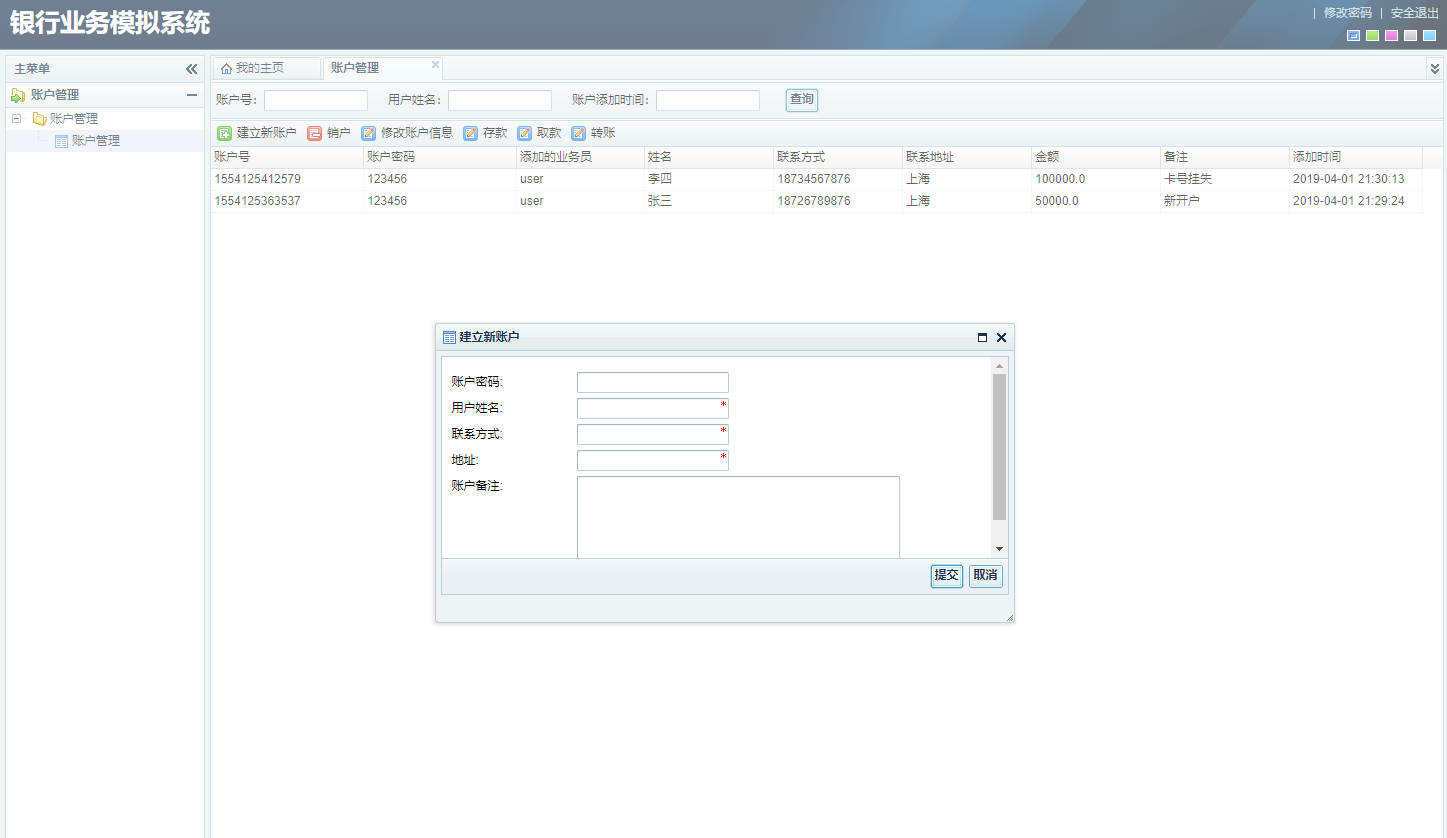
账户开立功能通过AccountService实现完整的业务流程:
@Service
public class AccountServiceImpl implements AccountService {

    @Autowired
    private AccountDao accountDao;

    @Autowired
    private TransactionDao transactionDao;

    @Transactional
    public String createAccount(Account account, User operator) {
        // 生成账户编号
        String accountId = generateAccountId(account.getAccountType());
        account.setAccountId(accountId);
        account.setOpenDate(new Date());
        account.setStatus("ACTIVE");

        // 保存账户信息
        accountDao.save(account);

        // 记录开户交易
        Transaction transaction = new Transaction();
        transaction.setTransactionType("DEPOSIT");
        transaction.setToAccount(accountId);
        transaction.setAmount(account.getBalance());
        transaction.setOperatorId(operator.getUserId());
        transaction.setRemark("账户开立初始存款");
        transactionDao.save(transaction);

        return accountId;
    }

    private String generateAccountId(String accountType) {
        SimpleDateFormat sdf = new SimpleDateFormat("yyyyMMdd");
        String dateStr = sdf.format(new Date());
        String prefix = accountType.equals("SAVINGS") ? "10" : "20";
        return prefix + dateStr + String.format("%06d", getDailySequence());
    }
}
- 资金转账业务
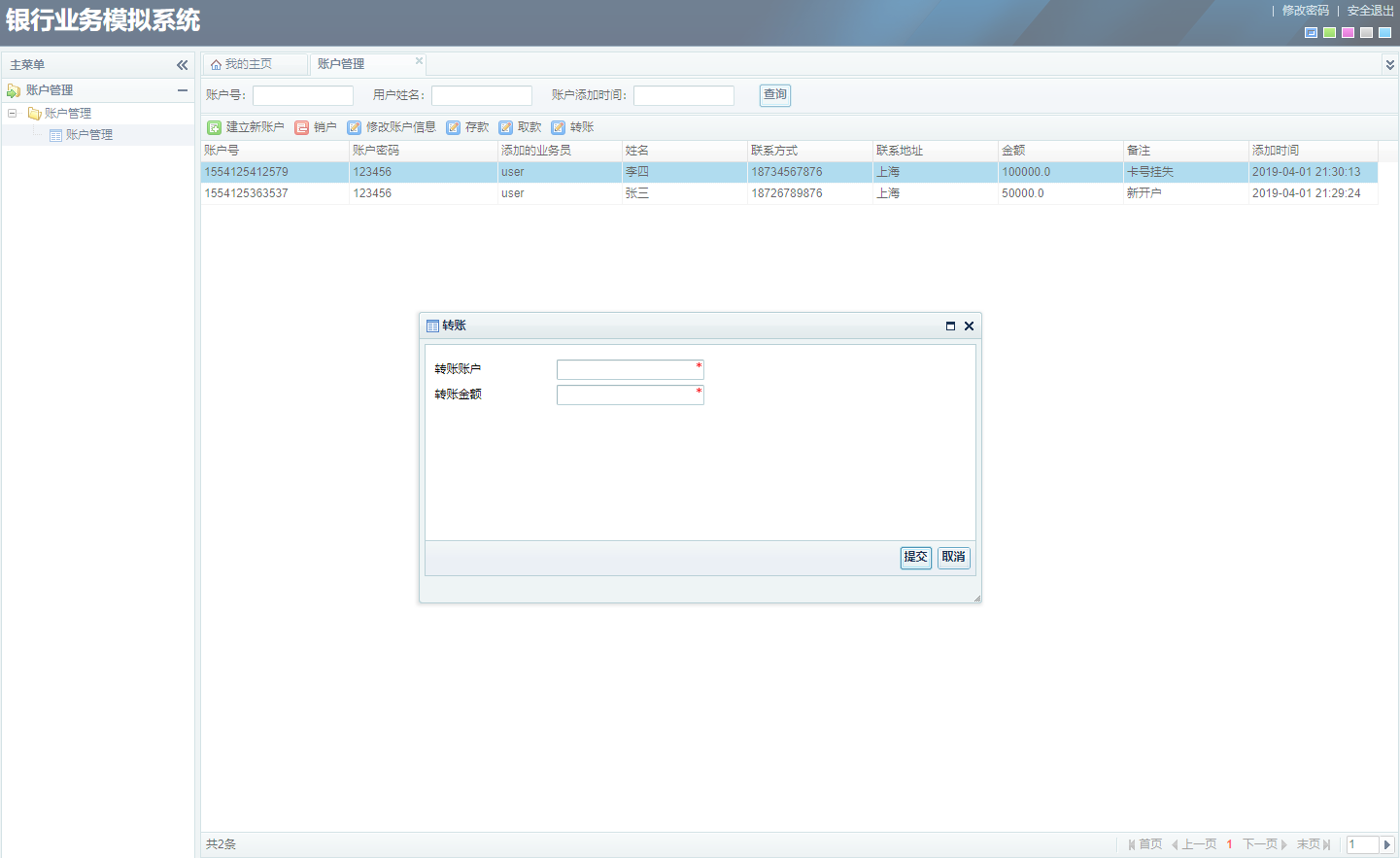
转账功能实现了完整的资金划转逻辑和事务控制:
@Transactional
public boolean transferFunds(String fromAccountId, String toAccountId,
                           BigDecimal amount, String remark, User operator) {
    try {
        // 验证转出账户
        Account fromAccount = accountDao.findById(fromAccountId);
        if (fromAccount == null || !"ACTIVE".equals(fromAccount.getStatus())) {
            throw new BusinessException("转出账户不存在或状态异常");
        }

        // 验证转入账户
        Account toAccount = accountDao.findById(toAccountId);
        if (toAccount == null || !"ACTIVE".equals(toAccount.getStatus())) {
            throw new BusinessException("转入账户不存在或状态异常");
        }

        // 检查余额
        if (fromAccount.getBalance().compareTo(amount) < 0) {
            throw new BusinessException("账户余额不足");
        }

        // 执行转账操作
        fromAccount.setBalance(fromAccount.getBalance().subtract(amount));
        toAccount.setBalance(toAccount.getBalance().add(amount));

        accountDao.update(fromAccount);
        accountDao.update(toAccount);

        // 记录交易
        Transaction transaction = new Transaction();
        transaction.setFromAccount(fromAccountId);
        transaction.setToAccount(toAccountId);
        transaction.setTransactionType("TRANSFER");
        transaction.setAmount(amount);
        transaction.setRemark(remark);
        transaction.setOperatorId(operator.getUserId());
        transactionDao.save(transaction);

        return true;
    } catch (Exception e) {
        throw new BusinessException("转账操作失败: " + e.getMessage());
    }
}
- 交易查询与分析
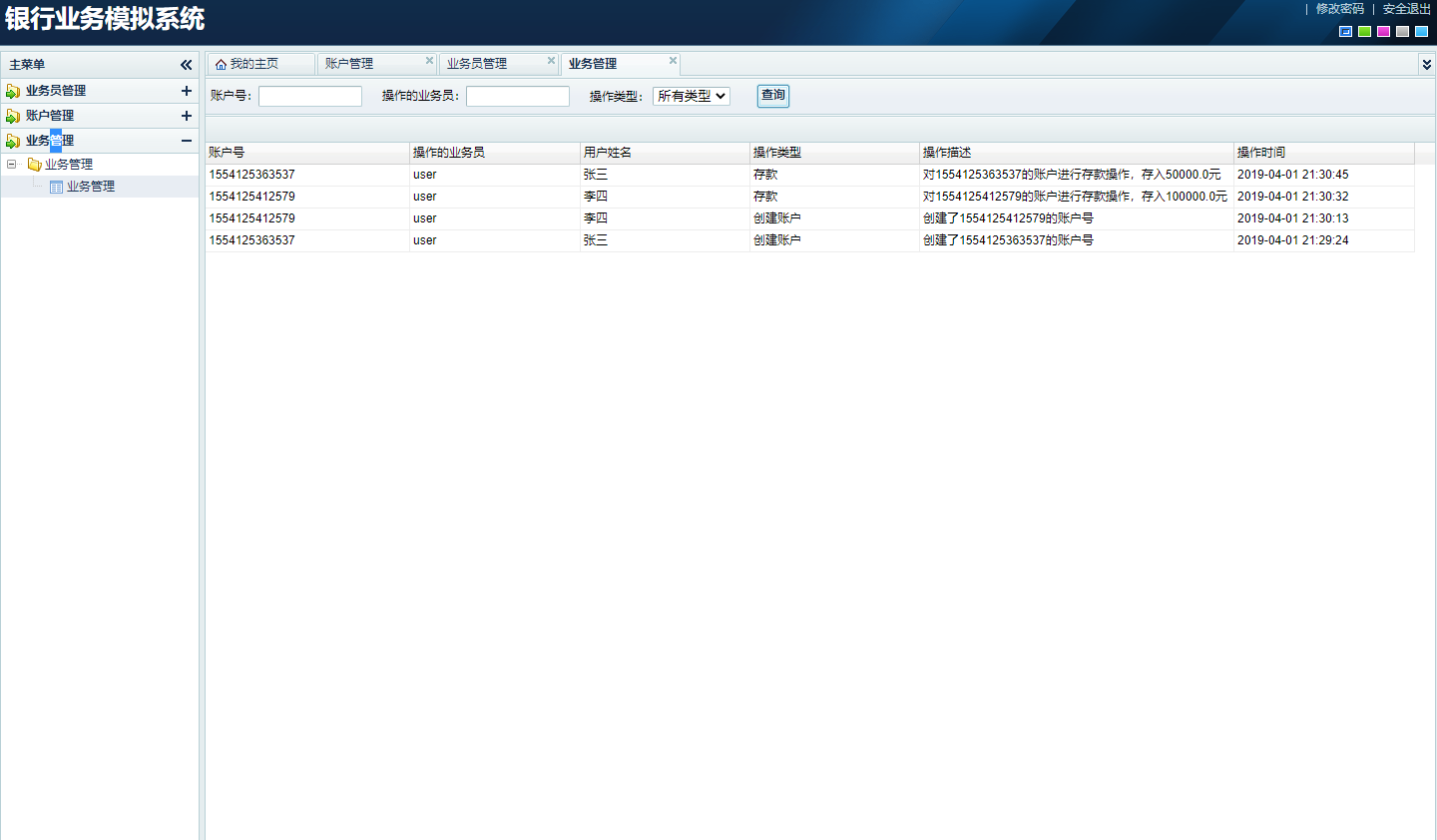
Hibernate的HQL查询在交易记录检索中发挥重要作用:
@Repository
public class TransactionDaoImpl extends BaseDaoImpl<Transaction> implements TransactionDao {

    public List<Transaction> findTransactionsByAccount(String accountId, Date startDate, Date endDate) {
        String hql = "FROM Transaction t WHERE (t.fromAccount = :accountId OR t.toAccount = :accountId) " +
                    "AND t.transactionTime BETWEEN :startDate AND :endDate " +
                    "ORDER BY t.transactionTime DESC";

        return getSession().createQuery(hql, Transaction.class)
                .setParameter("accountId", accountId)
                .setParameter("startDate", startDate)
                .setParameter("endDate", endDate)
                .list();
    }

    public Map<String, BigDecimal> getDailyTransactionSummary(Date date) {
        String hql = "SELECT t.transactionType, SUM(t.amount) FROM Transaction t " +
                    "WHERE DATE(t.transactionTime) = :date " +
                    "GROUP BY t.transactionType";

        List<Object[]> results = getSession().createQuery(hql)
                .setParameter("date", date)
                .list();

        Map<String, BigDecimal> summary = new HashMap<>();
        for (Object[] result : results) {
            summary.put((String) result[0], (BigDecimal) result[1]);
        }
        return summary;
    }
}
实体模型设计
系统的实体类设计充分体现了面向对象的思想和Hibernate的映射特性:
@Entity
@Table(name = "accounts")
public class Account {
    @Id
    @Column(name = "account_id")
    private String accountId;

    @ManyToOne
    @JoinColumn(name = "user_id")
    private User user;

    @Enumerated(EnumType.STRING)
    @Column(name = "account_type")
    private AccountType accountType;

    @Column(name = "balance")
    private BigDecimal balance;

    @Column(name = "interest_rate")
    private BigDecimal interestRate;

    @Temporal(TemporalType.DATE)
    @Column(name = "open_date")
    private Date openDate;

    @Enumerated(EnumType.STRING)
    @Column(name = "status")
    private AccountStatus status;

    @OneToMany(mappedBy = "fromAccount")
    private Set<Transaction> outgoingTransactions;

    @OneToMany(mappedBy = "toAccount")
    private Set<Transaction> incomingTransactions;

    // 省略getter和setter方法
}
权限管理与安全控制
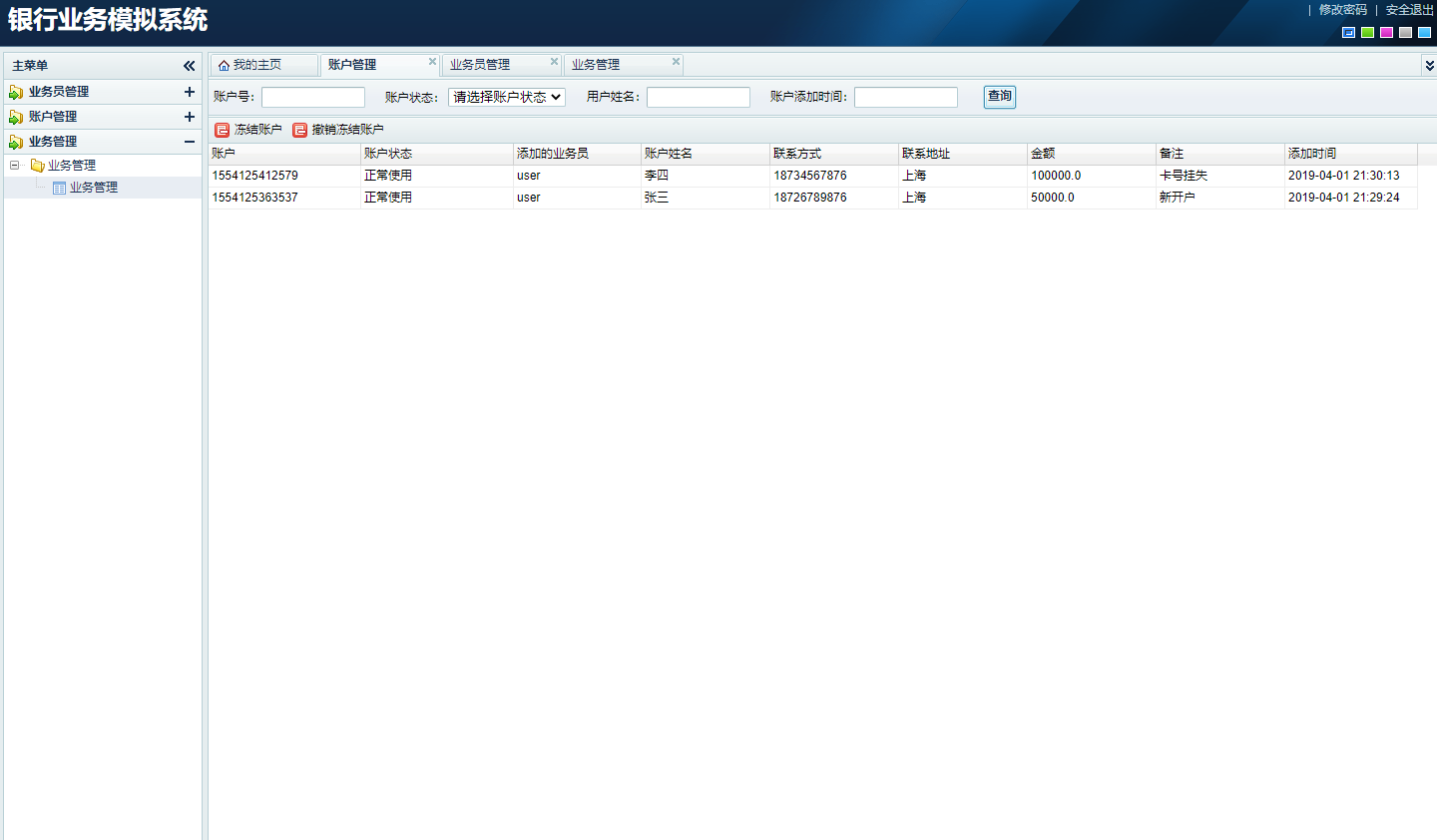
系统采用基于角色的访问控制机制,不同角色的用户具有不同的操作权限:
public class PermissionInterceptor extends AbstractInterceptor {

    public String intercept(ActionInvocation invocation) throws Exception {
        Map<String, Object> session = ActionContext.getContext().getSession();
        User currentUser = (User) session.get("currentUser");

        if (currentUser == null) {
            return "login";
        }

        // 检查权限
        String actionName = invocation.getProxy().getActionName();
        if (!hasPermission(currentUser, actionName)) {
            throw new AuthorizationException("当前用户没有执行该操作的权限");
        }

        return invocation.invoke();
    }

    private boolean hasPermission(User user, String actionName) {
        // 根据用户角色和action名称判断权限
        Set<String> allowedActions = getAllowedActions(user.getUserType());
        return allowedActions.contains(actionName);
    }
}
系统优化与扩展方向
- 性能优化:引入Redis缓存频繁访问的账户信息和交易记录,减少数据库压力。实现二级缓存配置:
<property name="hibernate.cache.use_second_level_cache">true</property>
<property name="hibernate.cache.region.factory_class">
    org.hibernate.cache.ehcache.EhCacheRegionFactory
</property>
微服务架构改造:将单体应用拆分为账户服务、交易服务、用户服务等微服务,提高系统弹性。
实时通知机制:集成WebSocket实现交易提醒和余额变动通知,增强用户体验。
风险控制模块:引入规则引擎实现交易风险实时监控,对异常交易进行自动拦截。
大数据分析:集成Spark或Flink对交易数据进行实时分析,生成业务洞察报告。
该金融业务仿真平台通过严谨的架构设计和完整的业务功能实现,为金融教育提供了真实可靠的实践环境。系统采用的分层架构和模块化设计确保了代码的可维护性,而基于SSH框架的技术选型则保证了系统的稳定性和扩展性。随着金融科技的不断发展,该平台具备进一步演进为完整金融教学解决方案的潜力。