基于SpringBoot的物资发放与库存管理平台 - 源码深度解析
在现代企业运营中,高效的物资管理是保障日常运作的关键环节。传统的人工记录方式存在效率低下、数据易出错、库存状态不透明等痛点,严重制约了企业的运营效率。针对这一挑战,我们设计并实现了一套企业级物资智能管理平台,通过数字化手段实现物资从入库、存储、申领到发放的全流程精细化管控。
系统架构与技术栈选型
该平台采用经典的SpringBoot单体应用架构,结合现代化技术栈构建高可用解决方案:
后端架构设计
- 控制层:基于Spring MVC框架处理Web请求,通过@RestController提供清晰的RESTful API接口
- 业务层:封装物资入库、库存查询、申领审批和发放确认等核心业务逻辑
- 数据层:使用Spring Data JPA实现数据持久化,简化数据库操作
技术栈配置详解
spring:
  datasource:
    driver-class-name: com.mysql.cj.jdbc.Driver
    url: jdbc:mysql://www.csbishe.cn:3306/boot_wzffsys?characterEncoding=utf8&useSSL=false&serverTimezone=UTC&allowMultiQueries=true
    username: boot_wzffsys
    password: boot_wzffsys

  thymeleaf:
    cache: false  # 开发环境下禁用模板缓存,便于实时调试

server:
  servlet:
    context-path: /boot_wzffsys  # 统一应用上下文路径
系统采用标准的Controller-Service-Repository三层架构,有效实现业务逻辑与数据访问的解耦,为后续功能扩展和维护提供了良好的基础。
数据库设计亮点与优化策略
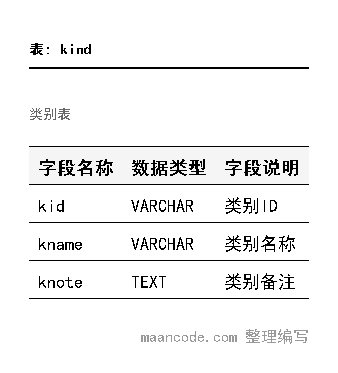
核心表结构设计解析
物料表(material)设计分析:
CREATE TABLE `material` (
  `mid` varchar(20) NOT NULL COMMENT '物料ID',
  `mname` varchar(255) DEFAULT '' COMMENT '物料名称',
  `mpic` text DEFAULT NULL COMMENT '物料图片',
  `mkid` varchar(255) DEFAULT '' COMMENT '物料类别ID',
  `munit` varchar(20) DEFAULT '' COMMENT '物料单位',
  `mspec` varchar(20) DEFAULT '' COMMENT '物料规格',
  PRIMARY KEY (`mid`)
) ENGINE=MyISAM DEFAULT CHARSET=utf8 COLLATE=utf8_unicode_ci COMMENT='物料表'
设计亮点:
- 采用varchar(20)作为主键,支持企业自定义物料编码规则
- mpic字段使用text类型,支持存储图片路径或Base64编码,满足物料可视化需求
- 通过mkid字段与类别表建立关联,实现多级分类管理
库存表(store)的优化设计:
CREATE TABLE `store` (
  `mid` varchar(20) NOT NULL COMMENT '物料ID',
  `total` int(11) DEFAULT NULL COMMENT '库存总量',
  PRIMARY KEY (`mid`)
) ENGINE=MyISAM DEFAULT CHARSET=utf8 COLLATE=utf8_unicode_ci COMMENT='库存表'
性能优化策略:
- 采用反范式设计,将库存总量直接存储,避免频繁的SUM聚合查询
- 单表结构简化了库存查询的复杂度,显著提升查询性能
- 特别适合读多写少的库存管理场景
业务流程表关联设计
入库表(putin)和领料申请表(requisition)通过物料ID(mid)与物料表建立关联,形成完整的数据流追踪:
CREATE TABLE `putin` (
  `pno` varchar(30) NOT NULL COMMENT '入库单号',
  `mid` varchar(20) DEFAULT '' COMMENT '物料ID',
  `paccount` int(11) DEFAULT NULL COMMENT '入库数量',
  `pprice` float(10,2) DEFAULT NULL COMMENT '入库价格',
  `pdate` varchar(30) DEFAULT '' COMMENT '入库日期',
  `pagent` varchar(20) DEFAULT '' COMMENT '入库经办人',
  `psource` varchar(20) DEFAULT '' COMMENT '入库来源',
  `pnote` text DEFAULT NULL COMMENT '入库备注',
  PRIMARY KEY (`pno`)
)

CREATE TABLE `requisition` (
  `rid` varchar(30) NOT NULL COMMENT '申请单号',
  `mid` varchar(20) DEFAULT '' COMMENT '物料ID',
  `rstatus` varchar(20) DEFAULT '' COMMENT '申请状态',
  `rnum` int(11) DEFAULT NULL COMMENT '申请数量',
  `rverifier` varchar(100) DEFAULT '' COMMENT '审核人',
  `rtype` varchar(20) DEFAULT '' COMMENT '申请类型',
  `rapplytime` varchar(30) DEFAULT '' COMMENT '申请时间',
  `rtaketime` varchar(30) DEFAULT '' COMMENT '领料时间',
  `ragent` varchar(100) DEFAULT '' COMMENT '申请人',
  `rtaker` varchar(20) DEFAULT '' COMMENT '领料人',
  PRIMARY KEY (`rid`)
)
核心功能实现细节
用户认证与权限管理机制
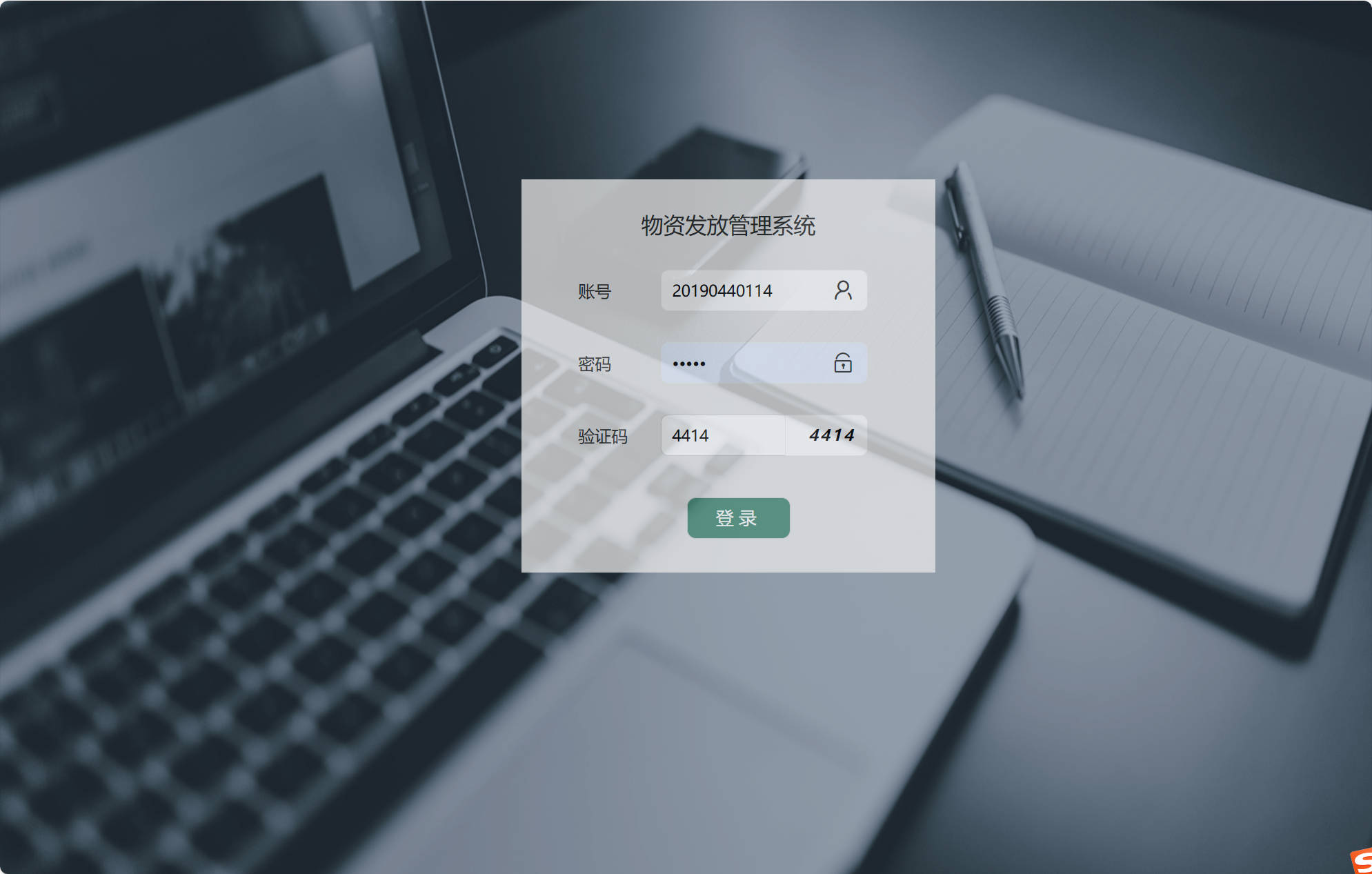
系统采用基于Session的认证机制,支持多角色动态权限管理:
@Controller
@RequestMapping("/")
public class IndexController {
    @Resource
    private IndexService indexService;

    @ResponseBody
    @RequestMapping(value = "/login.action")
    public String login(@RequestBody Map<String, String> request, HttpSession session) {
        Map<String, Object> map = new HashMap<>();
        String uid = request.get("uid");
        String password = request.get("password");
        User user = indexService.findUser(uid, password);

        if (user != null) {
            // Session中存储用户身份信息
            session.setAttribute("uid", uid);
            session.setAttribute("uname", user.getUname());
            session.setAttribute("utype", user.getUtype());
            map.put("msg","登录成功");
            map.put("success", true);
        } else {
            map.put("success", false);
            map.put("msg", "账号或密码错误!");
        }
        return JSON.toJSONString(map);
    }
}
动态菜单加载与权限控制
系统根据用户角色动态生成菜单,实现精细化权限管理:
@ResponseBody
@RequestMapping(value = "/api/loadMenuList")
public String loadMenuList(HttpSession session) {
    Integer utype = (Integer) session.getAttribute("utype");
    String initJson = menuService.loadMenuList(utype);
    return initJson;
}
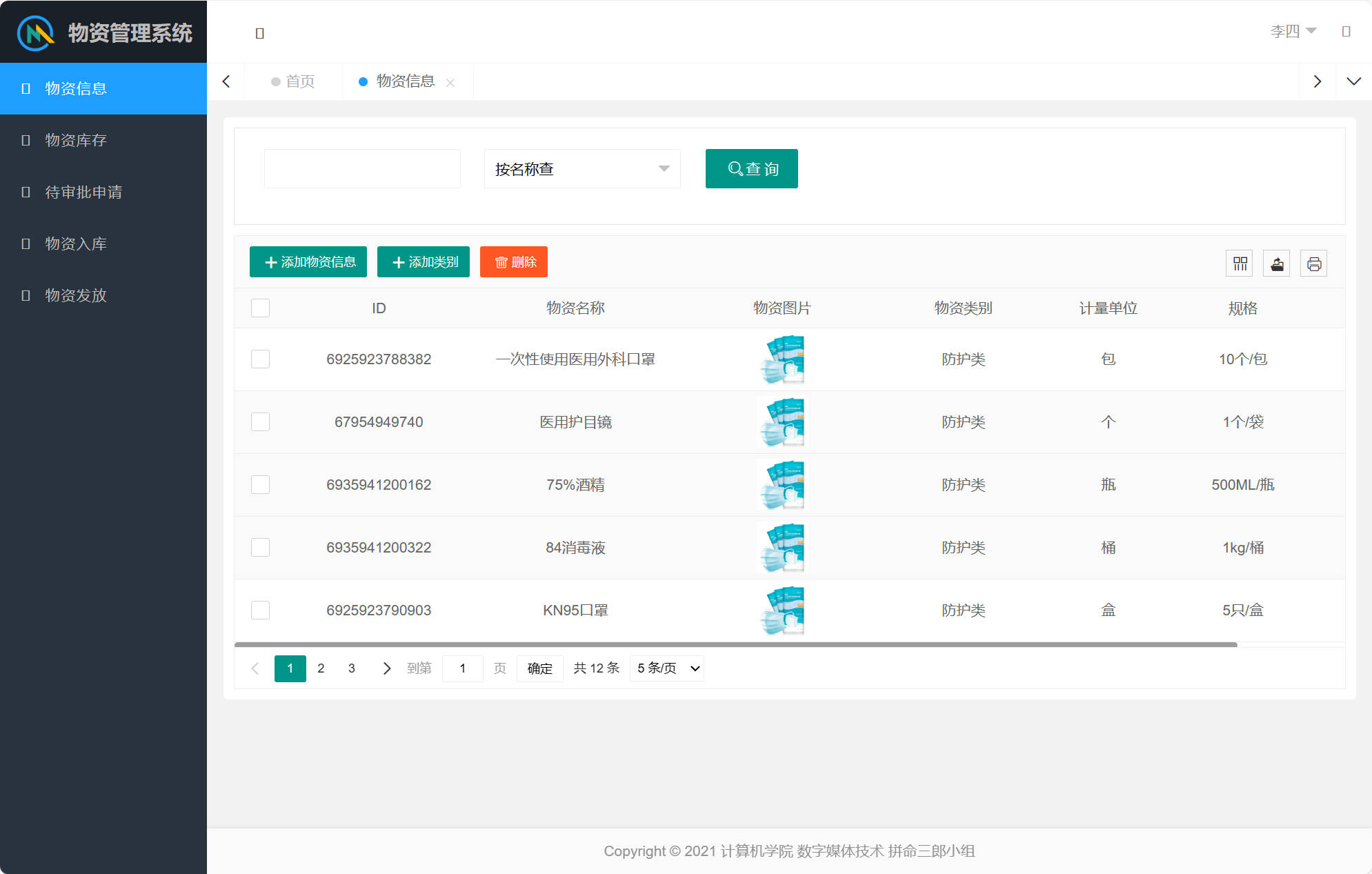
物资信息管理模块
物资管理模块支持完整的CRUD操作,采用Thymeleaf模板引擎实现前后端数据无缝绑定:
库存管理实时更新机制
库存管理采用事务性更新机制,确保数据一致性和准确性:
@Service
public class InventoryService {

    @Autowired
    private StoreRepository storeRepository;

    @Transactional
    public void updateInventory(String mid, int quantity) {
        Store store = storeRepository.findByMid(mid);
        if (store != null) {
            store.setTotal(store.getTotal() + quantity);
            storeRepository.save(store);
        } else {
            Store newStore = new Store();
            newStore.setMid(mid);
            newStore.setTotal(quantity);
            storeRepository.save(newStore);
        }
    }
}
关键技术特性:
- 使用@Transactional注解确保库存操作的原子性
- 采用乐观锁机制处理并发更新场景
- 实时库存监控和预警机制
该物资管理平台通过合理的技术架构设计和细致的业务逻辑实现,为企业提供了高效、可靠的物资管理解决方案,显著提升了物资管理的自动化水平和运营效率。