随着电子商务的快速渗透,体育用品行业正经历着数字化转型的关键时期。传统零售模式受限于物理空间和营业时间,难以满足消费者对商品信息透明度、选购便捷性和服务即时性的高标准需求。为此,我们设计并实现了一套功能完备的在线体育用品交易平台——“SportHub Mall”,该系统采用现代化的技术架构,旨在为运动爱好者提供无缝的购物体验,同时为商家打造高效的数字化运营工具。
系统基于SpringBoot框架构建,这一选择显著提升了开发效率和运行时性能。SpringBoot的自动配置特性消除了大量样板式配置,内嵌的Tomcat服务器简化了部署流程,而Starter依赖机制则使得集成持久层、安全认证等组件变得异常便捷。后端采用经典的三层架构:控制层(Controller)处理RESTful API请求并返回JSON数据;业务逻辑层(Service)封装了商品检索、订单处理、库存管理等核心业务规则;数据访问层(Repository)通过Spring Data JPA与MySQL数据库进行交互,极大简化了CRUD操作。前端部分采用Thymeleaf模板引擎结合Bootstrap框架,实现了响应式布局,确保在PC端和移动设备上均能提供流畅的交互体验。
数据库架构设计与核心表分析
系统共设计14张数据表,覆盖用户管理、商品分类、订单处理、库存控制等核心业务域。以下重点分析三个关键表的结构设计亮点。
商品信息表(product) 的设计充分考虑了体育用品的特殊属性。除了通用的商品名称、价格、库存等字段外,还专门针对体育用品设计了规格字段(specification),用于存储如球类尺寸、服装尺码、器材材质等专业参数。状态字段(state)采用枚举类型,精确控制商品的上架、下架和缺货状态,确保前端展示与后端库存的实时同步。
CREATE TABLE `product` (
  `id` int(11) NOT NULL AUTO_INCREMENT,
  `name` varchar(255) NOT NULL COMMENT '商品名称',
  `price` decimal(10,2) NOT NULL COMMENT '售价',
  `original_price` decimal(10,2) DEFAULT NULL COMMENT '原价',
  `specification` text COMMENT '规格参数',
  `stock` int(11) NOT NULL DEFAULT '0' COMMENT '库存数量',
  `state` enum('ON_SALE','OFF_SHELF','SOLD_OUT') DEFAULT 'ON_SALE',
  `category_id` int(11) NOT NULL COMMENT '分类ID',
  `create_time` datetime DEFAULT CURRENT_TIMESTAMP,
  `update_time` datetime DEFAULT CURRENT_TIMESTAMP ON UPDATE CURRENT_TIMESTAMP,
  PRIMARY KEY (`id`),
  KEY `idx_category` (`category_id`),
  KEY `idx_state` (`state`)
) ENGINE=InnoDB DEFAULT CHARSET=utf8mb4 COMMENT='商品信息表';
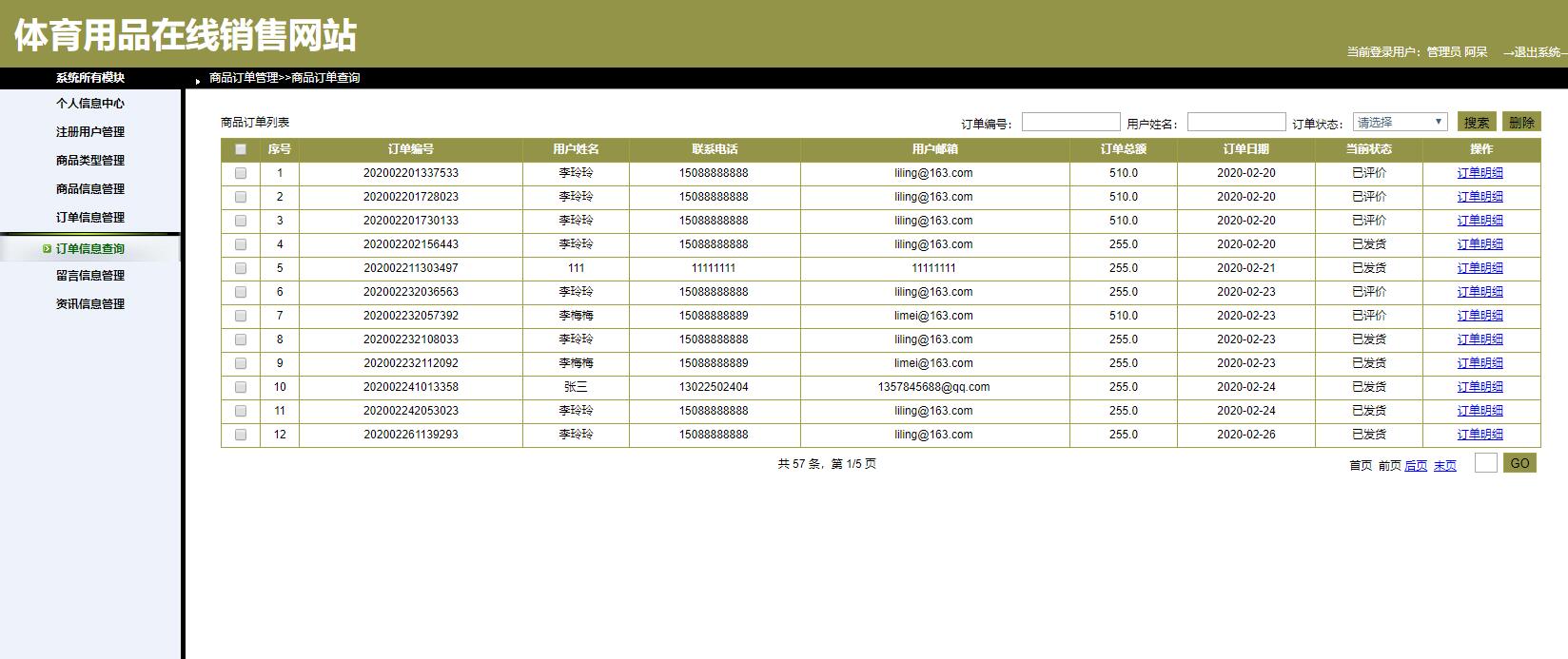
订单主表(order) 的设计体现了电商系统对事务一致性的高要求。该表采用垂直分表策略,将订单核心信息与商品详情分离,既保证了主表的查询效率,又适应了订单项可能包含多个商品的业务场景。订单状态机设计涵盖了从下单、支付、发货到完成的完整生命周期,每个状态变更都通过时间戳字段精确记录,为后续的数据分析和纠纷处理提供完整依据。
CREATE TABLE `order` (
  `id` varchar(32) NOT NULL COMMENT '订单号',
  `user_id` int(11) NOT NULL COMMENT '用户ID',
  `total_amount` decimal(10,2) NOT NULL COMMENT '订单总金额',
  `status` enum('PENDING','PAID','SHIPPED','COMPLETED','CANCELLED') DEFAULT 'PENDING',
  `payment_time` datetime DEFAULT NULL COMMENT '支付时间',
  `shipping_address` text NOT NULL COMMENT '收货地址',
  `create_time` datetime DEFAULT CURRENT_TIMESTAMP,
  `update_time` datetime DEFAULT CURRENT_TIMESTAMP ON UPDATE CURRENT_TIMESTAMP,
  PRIMARY KEY (`id`),
  KEY `idx_user_id` (`user_id`),
  KEY `idx_status` (`status`),
  KEY `idx_create_time` (`create_time`)
) ENGINE=InnoDB DEFAULT CHARSET=utf8mb4 COMMENT='订单主表';
购物车表(cart) 的设计优化了高并发下的读写性能。通过联合唯一索引确保同一用户对同一商品只能存在一条记录,有效防止数据冗余。数量字段的更新操作通过乐观锁机制控制,避免超卖情况的发生。这种设计特别适合体育用品促销期间可能出现的瞬时高并发添加购物车场景。
CREATE TABLE `cart` (
  `id` int(11) NOT NULL AUTO_INCREMENT,
  `user_id` int(11) NOT NULL,
  `product_id` int(11) NOT NULL,
  `quantity` int(11) NOT NULL DEFAULT '1',
  `selected` tinyint(1) DEFAULT '1' COMMENT '是否选中',
  `create_time` datetime DEFAULT CURRENT_TIMESTAMP,
  `update_time` datetime DEFAULT CURRENT_TIMESTAMP ON UPDATE CURRENT_TIMESTAMP,
  PRIMARY KEY (`id`),
  UNIQUE KEY `uk_user_product` (`user_id`,`product_id`),
  KEY `idx_user_id` (`user_id`)
) ENGINE=InnoDB DEFAULT CHARSET=utf8mb4 COMMENT='购物车表';
核心业务功能实现解析
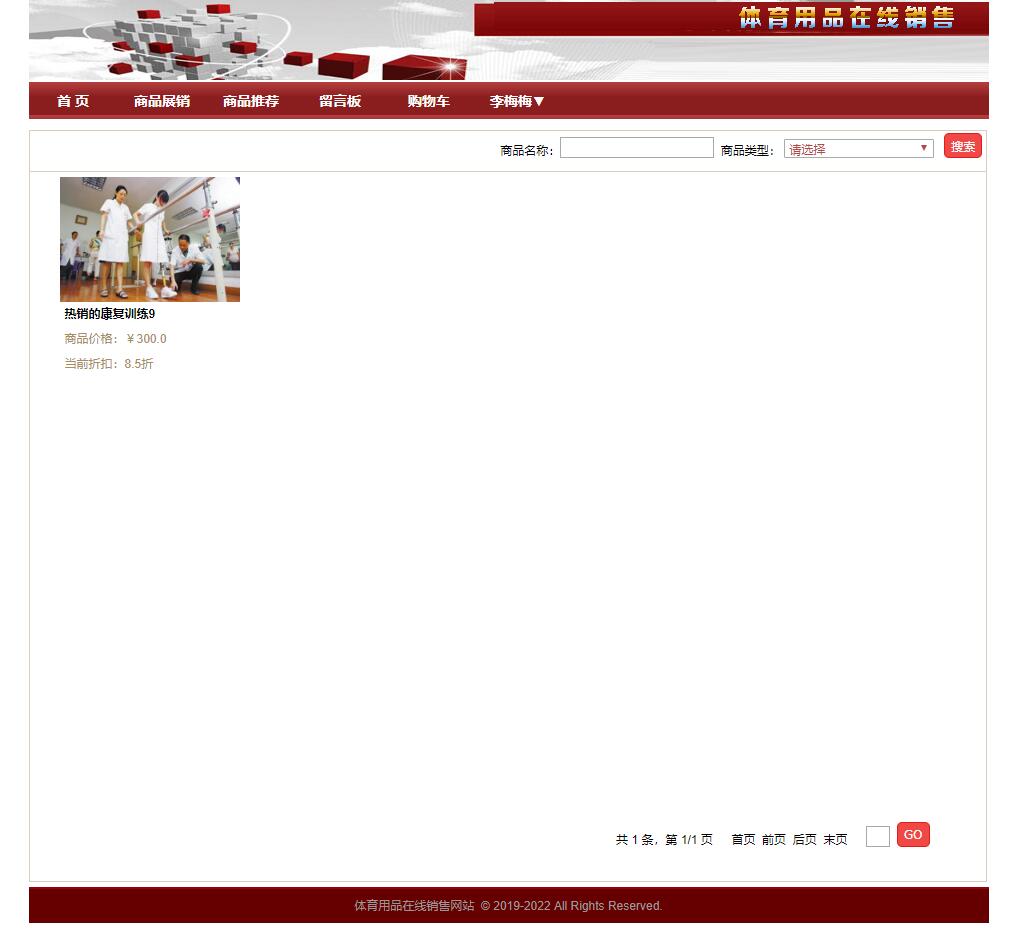
智能商品推荐引擎
系统通过分析用户历史浏览和购买记录,构建了基于协同过滤的推荐算法。推荐服务通过Redis缓存用户行为数据,实时计算相似商品并推送给目标用户。以下代码展示了推荐逻辑的核心实现:
@Service
public class ProductRecommendationService {

    @Autowired
    private UserBehaviorRepository behaviorRepo;

    @Autowired
    private ProductRepository productRepo;

    @Autowired
    private RedisTemplate<String, String> redisTemplate;

    public List<Product> getRecommendedProducts(Integer userId, int limit) {
        // 从Redis获取用户最近浏览的商品类别
        String key = "user:view:category:" + userId;
        Set<String> categories = redisTemplate.opsForZSet()
            .reverseRange(key, 0, 4);

        if (categories == null || categories.isEmpty()) {
            // 若无浏览记录,返回热销商品
            return productRepo.findHotProducts(limit);
        }

        // 基于类别偏好生成推荐
        List<Product> recommendations = new ArrayList<>();
        for (String categoryId : categories) {
            List<Product> products = productRepo
                .findByCategoryIdOrderBySalesDesc(Integer.parseInt(categoryId));
            recommendations.addAll(products.stream().limit(2).collect(Collectors.toList()));
        }

        return recommendations.stream()
            .distinct()
            .limit(limit)
            .collect(Collectors.toList());
    }
}
订单处理与库存扣减事务管理
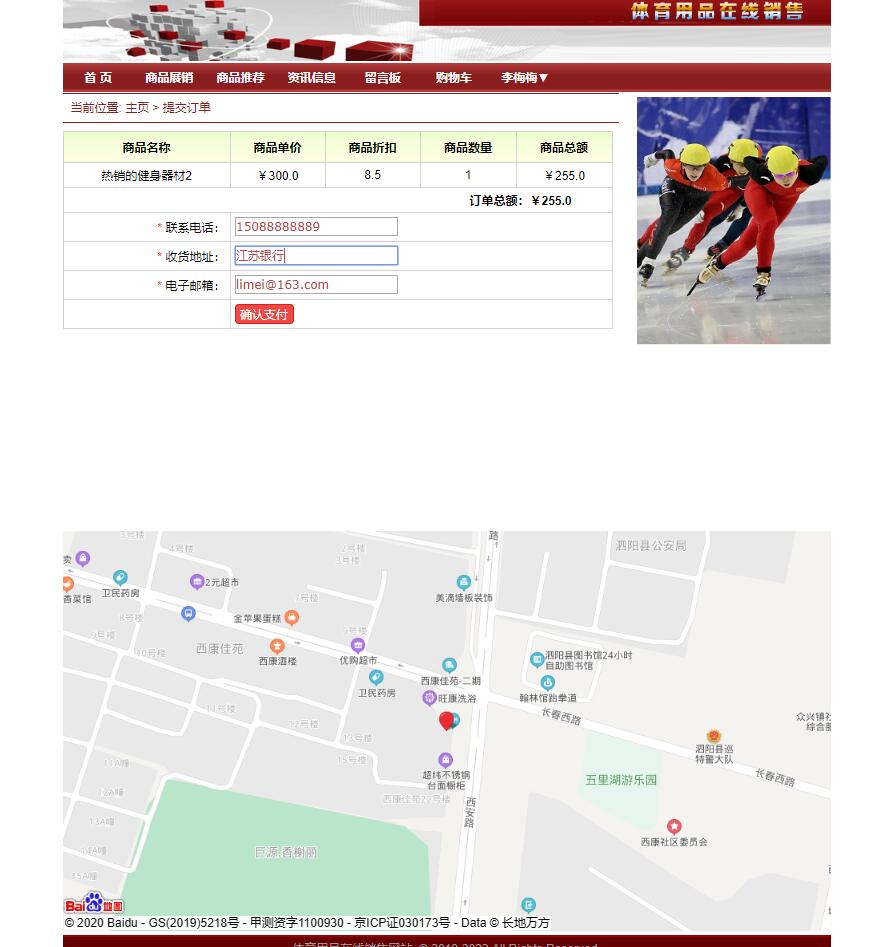
订单创建过程涉及多个数据表的更新操作,必须保证事务的原子性。系统通过Spring的声明式事务管理确保订单数据、库存数量和用户积分等资源的一致性更新。
@Service
@Transactional
public class OrderService {

    @Autowired
    private OrderRepository orderRepo;

    @Autowired
    private OrderItemRepository orderItemRepo;

    @Autowired
    private ProductRepository productRepo;

    @Autowired
    private UserRepository userRepo;

    public Order createOrder(OrderCreateRequest request) {
        // 验证商品库存
        for (OrderItem item : request.getItems()) {
            Product product = productRepo.findById(item.getProductId())
                .orElseThrow(() -> new ProductNotFoundException());

            if (product.getStock() < item.getQuantity()) {
                throw new InsufficientStockException();
            }
        }

        // 生成订单号
        String orderNo = generateOrderNo();

        // 创建订单主体
        Order order = new Order();
        order.setOrderNo(orderNo);
        order.setUserId(request.getUserId());
        order.setTotalAmount(calculateTotalAmount(request.getItems()));
        order.setStatus(OrderStatus.PENDING);
        orderRepo.save(order);

        // 创建订单项并扣减库存
        for (OrderItem item : request.getItems()) {
            orderItemRepo.save(item);

            // 使用乐观锁更新库存
            int rows = productRepo.deductStock(item.getProductId(), item.getQuantity());
            if (rows == 0) {
                throw new ConcurrentOrderException();
            }
        }

        return order;
    }

    private String generateOrderNo() {
        // 时间戳 + 随机数,确保唯一性
        return System.currentTimeMillis() +
            String.valueOf(new Random().nextInt(9000) + 1000);
    }
}
管理员商品管理功能
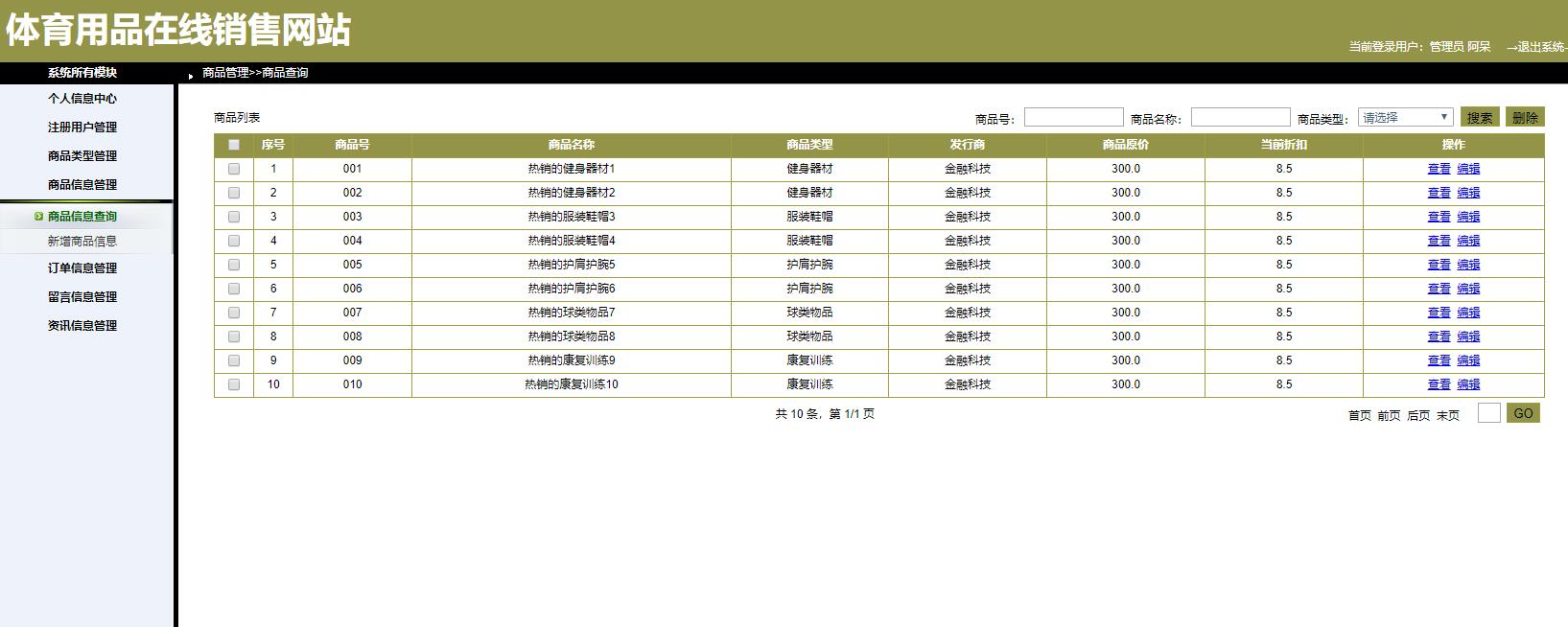
后台管理系统提供了完整的商品生命周期管理能力,包括商品上架、信息编辑、库存调整和销售状态监控等功能。以下代码展示了商品更新的核心逻辑:
@RestController
@RequestMapping("/admin/products")
public class AdminProductController {

    @Autowired
    private ProductService productService;

    @PutMapping("/{productId}")
    public ResponseEntity<?> updateProduct(
            @PathVariable Integer productId,
            @Valid @RequestBody ProductUpdateRequest request) {

        Product product = productService.findById(productId);
        if (product == null) {
            return ResponseEntity.notFound().build();
        }

        // 更新商品基本信息
        product.setName(request.getName());
        product.setPrice(request.getPrice());
        product.setSpecification(request.getSpecification());

        // 处理库存变更
        if (request.getStock() != null) {
            int stockDiff = request.getStock() - product.getStock();
            if (stockDiff > 0) {
                productService.increaseStock(productId, stockDiff);
            }
        }

        // 更新商品状态
        if (request.getState() != null) {
            product.setState(ProductState.valueOf(request.getState()));
        }

        productService.save(product);
        return ResponseEntity.ok(new ApiResponse("商品更新成功"));
    }

    @PostMapping("/{productId}/listing")
    public ResponseEntity<?> listProduct(@PathVariable Integer productId) {
        productService.updateState(productId, ProductState.ON_SALE);
        return ResponseEntity.ok(new ApiResponse("商品上架成功"));
    }
}
用户认证与权限控制
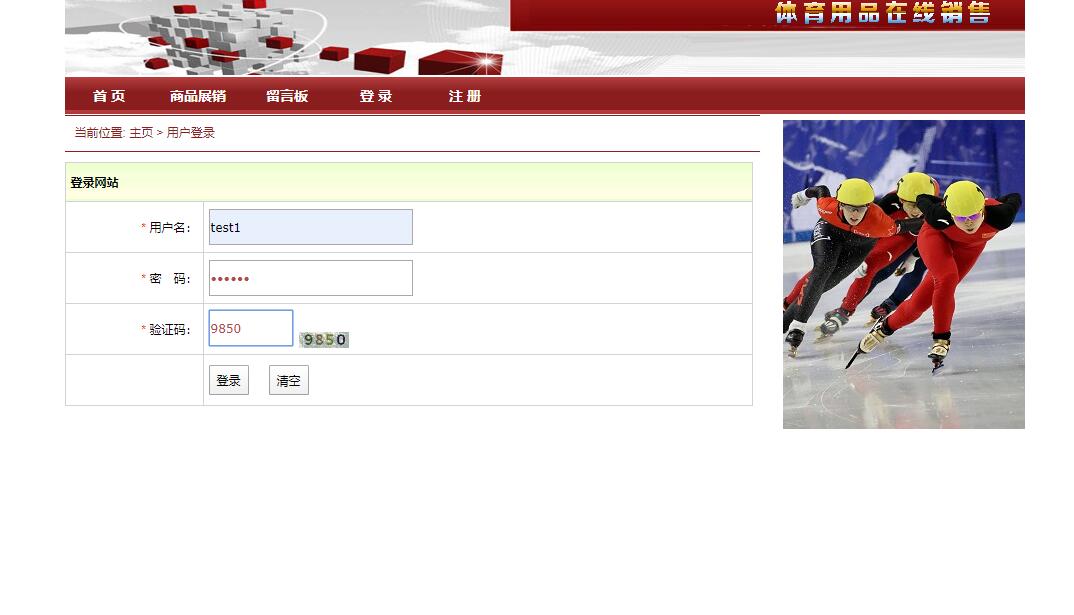
系统采用基于角色的访问控制(RBAC)模型,区分普通用户和管理员权限。Spring Security框架被集成用于处理用户认证和接口授权,确保系统安全性。
@Configuration
@EnableWebSecurity
public class SecurityConfig extends WebSecurityConfigurerAdapter {

    @Autowired
    private UserDetailsService userDetailsService;

    @Override
    protected void configure(HttpSecurity http) throws Exception {
        http.authorizeRequests()
            .antMatchers("/admin/**").hasRole("ADMIN")
            .antMatchers("/user/**").hasAnyRole("USER", "ADMIN")
            .antMatchers("/public/**").permitAll()
            .anyRequest().authenticated()
            .and()
            .formLogin()
            .loginPage("/login")
            .defaultSuccessUrl("/dashboard")
            .permitAll()
            .and()
            .logout()
            .logoutSuccessUrl("/login?logout")
            .permitAll()
            .and()
            .rememberMe()
            .key("uniqueAndSecret")
            .tokenValiditySeconds(86400);
    }

    @Bean
    public PasswordEncoder passwordEncoder() {
        return new BCryptPasswordEncoder();
    }
}
消息队列处理高并发订单
为应对促销活动期间可能出现的订单高峰,系统集成了消息队列进行异步订单处理。订单创建后立即返回响应,实际库存扣减和通知发送等操作通过消息队列异步执行。
@Component
public class OrderMessageListener {

    @Autowired
    private ProductService productService;

    @Autowired
    private EmailService emailService;

    @JmsListener(destination = "order.queue")
    public void processOrder(OrderMessage message) {
        try {
            // 异步扣减库存
            for (OrderItem item : message.getItems()) {
                productService.deductStock(item.getProductId(), item.getQuantity());
            }

            // 发送订单确认邮件
            emailService.sendOrderConfirmation(message.getUserId(), message.getOrderNo());

        } catch (Exception e) {
            // 处理失败,将消息重新放入队列或记录日志
            log.error("订单处理失败: {}", message.getOrderNo(), e);
        }
    }
}
实体模型与领域对象设计
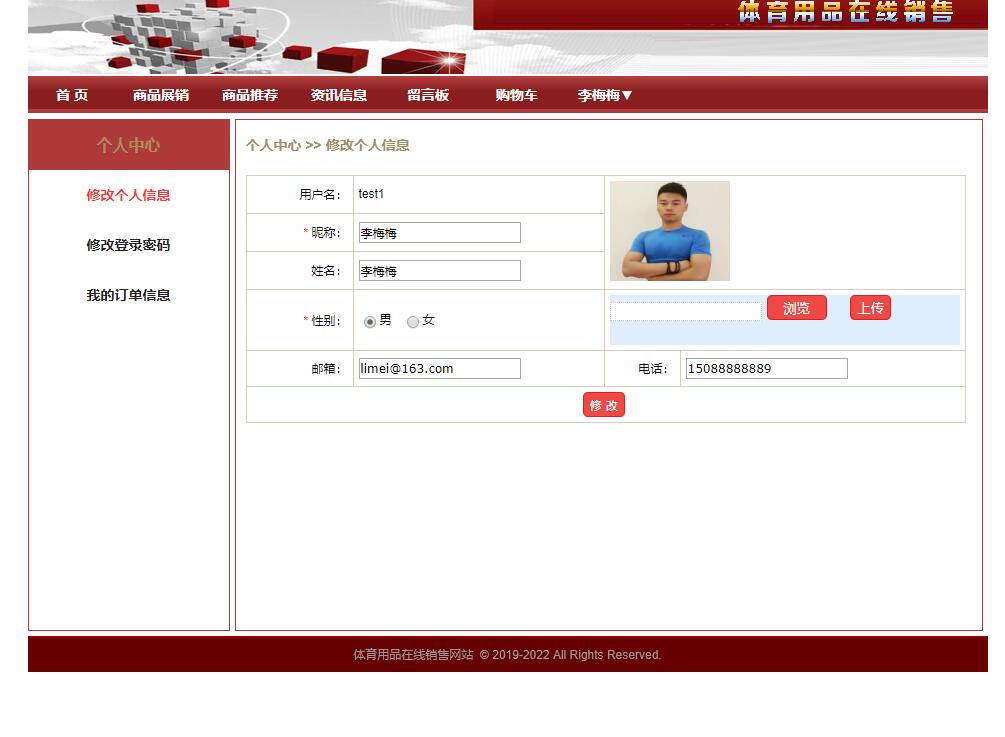
系统采用领域驱动设计(DDD)思想,构建了丰富的实体模型。核心实体包括用户(User)、商品(Product)、订单(Order)、购物车(Cart)等,每个实体都封装了相应的业务行为和约束规则。
@Entity
@Table(name = "user")
public class User {
    @Id
    @GeneratedValue(strategy = GenerationType.IDENTITY)
    private Integer id;

    @Column(unique = true, nullable = false)
    private String username;

    @Column(nullable = false)
    private String password;

    private String email;
    private String phone;

    @Enumerated(EnumType.STRING)
    private UserRole role = UserRole.USER;

    @OneToMany(mappedBy = "user")
    private List<Order> orders = new ArrayList<>();

    @OneToMany(mappedBy = "user")
    private List<Cart> cartItems = new ArrayList<>();

    // 业务方法
    public boolean canPlaceOrder() {
        return this.role != UserRole.BLOCKED;
    }

    public void updateProfile(UserProfileUpdateRequest request) {
        this.email = request.getEmail();
        this.phone = request.getPhone();
    }
}
性能优化策略与实践
系统在多个层面实施了性能优化措施。数据库层面通过合理的索引设计和查询优化提升数据检索效率;应用层面采用多级缓存策略(Redis + 本地缓存)减少数据库访问压力;前端层面通过资源压缩和CDN加速提升页面加载速度。
@Service
public class ProductService {

    @Autowired
    private ProductRepository productRepo;

    @Autowired
    private RedisTemplate<String, Product> redisTemplate;

    @Cacheable(value = "products", key = "#productId")
    public Product findById(Integer productId) {
        // 先查询缓存
        String cacheKey = "product:" + productId;
        Product product = redisTemplate.opsForValue().get(cacheKey);

        if (product != null) {
            return product;
        }

        // 缓存未命中,查询数据库
        product = productRepo.findById(productId)
            .orElseThrow(() -> new ProductNotFoundException());

        // 写入缓存,设置过期时间
        redisTemplate.opsForValue().set(cacheKey, product, Duration.ofHours(1));

        return product;
    }

    @CacheEvict(value = "products", key = "#productId")
    public void updateProduct(Integer productId, ProductUpdateRequest request) {
        // 更新数据库
        productRepo.updateProductInfo(productId, request);

        // 清除缓存
        redisTemplate.delete("product:" + productId);
    }
}
系统扩展与未来优化方向
基于当前系统架构和业务需求,以下几个方向值得进一步探索和优化:
分布式架构改造:随着业务量增长,可将单体应用拆分为微服务架构。商品服务、订单服务、用户服务等独立部署,通过API网关统一对外提供服务。Spring Cloud套件可提供完整的微服务解决方案。
智能搜索增强:集成Elasticsearch替换基础的商品搜索功能,支持更复杂的搜索条件、拼音搜索和搜索词纠错。实现基于用户行为的搜索排序优化,提升商品发现的精准度。
移动端原生应用开发:基于React Native或Flutter框架开发跨平台移动应用,提供更贴近移动场景的购物体验。利用移动设备特性实现扫码购、AR试穿等创新功能。
大数据分析平台:构建用户行为分析系统,通过收集点击流数据、购买记录等,建立用户画像和商品关联规则模型,为精准营销和库存预测提供数据支持。
多渠道库存同步:实现线上商城与实体店库存的实时同步,支持线上下单、门店自提等全渠道零售场景。通过分布式事务保证库存数据的一致性。
系统通过严谨的架构设计、完善的功能实现和前瞻的技术规划,构建了一个稳定可靠、易于扩展的体育用品电商平台。SpringBoot框架的优势在项目中得到了充分体现,既保证了开发效率,又满足了电商系统对性能和安全性的高要求。随着技术的不断演进和业务需求的持续扩展,系统架构也预留了足够的灵活性以适应未来的发展需要。