在现代企业管理体系中,人力资源管理的数字化、流程化转型已成为提升组织效能的关键。传统依赖纸质档案、电子表格和零散软件的管理方式,不仅效率低下,更易导致数据不一致、流程脱节和信息孤岛。为解决这些核心痛点,我们设计并实现了一套基于SpringBoot的一体化人力资源管理系统,内部代号“人事通”。该系统整合了员工全生命周期管理、招聘、薪酬、考勤及绩效评估等核心模块,旨在为企业提供一个集中、规范、高效的HR管理平台。
系统架构与技术栈选型
“人事通”系统采用经典的分层架构模式,以确保代码的清晰度、可维护性和可扩展性。后端以SpringBoot为核心框架,其约定优于配置的理念极大地简化了项目的初始搭建、依赖管理和部署流程。控制层使用Spring MVC处理所有Web请求,通过@Controller和@RestController注解清晰地定义了API端点。业务逻辑层由Spring管理的Service组件构成,利用依赖注入(DI)控制反转(IoC)容器来管理复杂的业务对象关系,确保了组件间的低耦合性。数据访问层则选用MyBatis作为持久化框架,其灵活的SQL映射能力使得开发人员能够对数据库操作进行精细优化。
前端部分并未采用重型前端框架,而是选择了Thymeleaf模板引擎结合Bootstrap UI组件库的方案。这一选择使得系统能够快速构建出风格统一、响应式的用户界面,同时避免了前后端分离架构可能带来的额外复杂度,非常适合内部管理系统的开发场景。项目构建工具使用Maven,数据库则采用稳定可靠的关系型数据库MySQL。
核心数据库设计剖析
数据库设计是系统稳定性的基石。“人事通”系统通过6张核心表支撑起所有业务逻辑,其设计体现了对业务关系的深刻理解和数据完整性的高度重视。
以employee(员工信息表)为例,该表是系统的核心数据载体,设计时充分考虑了扩展性和规范性。
CREATE TABLE `employee` (
  `id` int(11) NOT NULL AUTO_INCREMENT COMMENT '主键ID',
  `name` varchar(50) NOT NULL COMMENT '员工姓名',
  `email` varchar(100) DEFAULT NULL COMMENT '邮箱',
  `phone` varchar(20) DEFAULT NULL COMMENT '手机号',
  `department_id` int(11) DEFAULT NULL COMMENT '部门ID',
  `job_title` varchar(50) DEFAULT NULL COMMENT '职位',
  `salary` decimal(10,2) DEFAULT NULL COMMENT '薪资',
  `hire_date` date DEFAULT NULL COMMENT '入职日期',
  `status` tinyint(1) DEFAULT '1' COMMENT '状态(1:在职,0:离职)',
  PRIMARY KEY (`id`),
  UNIQUE KEY `uk_email` (`email`),
  KEY `idx_department_id` (`department_id`),
  KEY `idx_status` (`status`),
  CONSTRAINT `fk_emp_dept` FOREIGN KEY (`department_id`) REFERENCES `department` (`id`)
) ENGINE=InnoDB DEFAULT CHARSET=utf8mb4 COMMENT='员工信息表';
设计亮点分析:
- 关系与约束:通过
department_id字段与department表建立外键约束(fk_emp_dept),确保了每个员工所属部门的有效性,维护了数据的参照完整性。这种设计防止了“孤儿”记录的产生。 - 索引策略:除了主键索引,还针对
department_id和status字段建立了索引。idx_department_id极大地优化了按部门查询员工的性能,而idx_status则加速了筛选在职或离职员工的操作,这是HR系统中最常见的数据筛选条件之一。 - 数据规范与唯一性:将
email字段设置为唯一键(uk_email),保证了系统中邮箱地址的唯一性,既可作为登录凭证,也避免了信息重复录入。salary字段使用decimal(10,2)类型,精确存储薪资数据,避免了浮点数计算可能带来的精度问题。
另一张关键表是attendance(考勤记录表),它详细记录了员工的每日出勤情况。
CREATE TABLE `attendance` (
  `id` int(11) NOT NULL AUTO_INCREMENT,
  `employee_id` int(11) NOT NULL,
  `date` date NOT NULL,
  `check_in_time` time DEFAULT NULL,
  `check_out_time` time DEFAULT NULL,
  `status` varchar(20) DEFAULT '正常' COMMENT '出勤状态(正常、迟到、早退、缺勤等)',
  PRIMARY KEY (`id`),
  UNIQUE KEY `uk_emp_date` (`employee_id`,`date`),
  KEY `idx_date` (`date`),
  CONSTRAINT `fk_attendance_employee` FOREIGN KEY (`employee_id`) REFERENCES `employee` (`id`)
) ENGINE=InnoDB DEFAULT CHARSET=utf8mb4;
设计亮点分析:
- 复合唯一键:
uk_emp_date是一个由employee_id和date组成的复合唯一键。这一设计是业务逻辑的直接体现:一名员工在特定日期只能有一条考勤记录,从根本上杜绝了数据重复。 - 高效的查询支持:
idx_date索引使得按日期范围(如月度考勤统计)查询所有员工记录的操作非常高效。结合employee_id上的外键索引,可以快速定位到特定员工在某段时间内的全部考勤历史。
核心业务功能实现解析
1. 员工信息全生命周期管理
员工信息管理是HR系统的核心。系统提供了从员工入职、信息维护到离职的全流程管理功能。
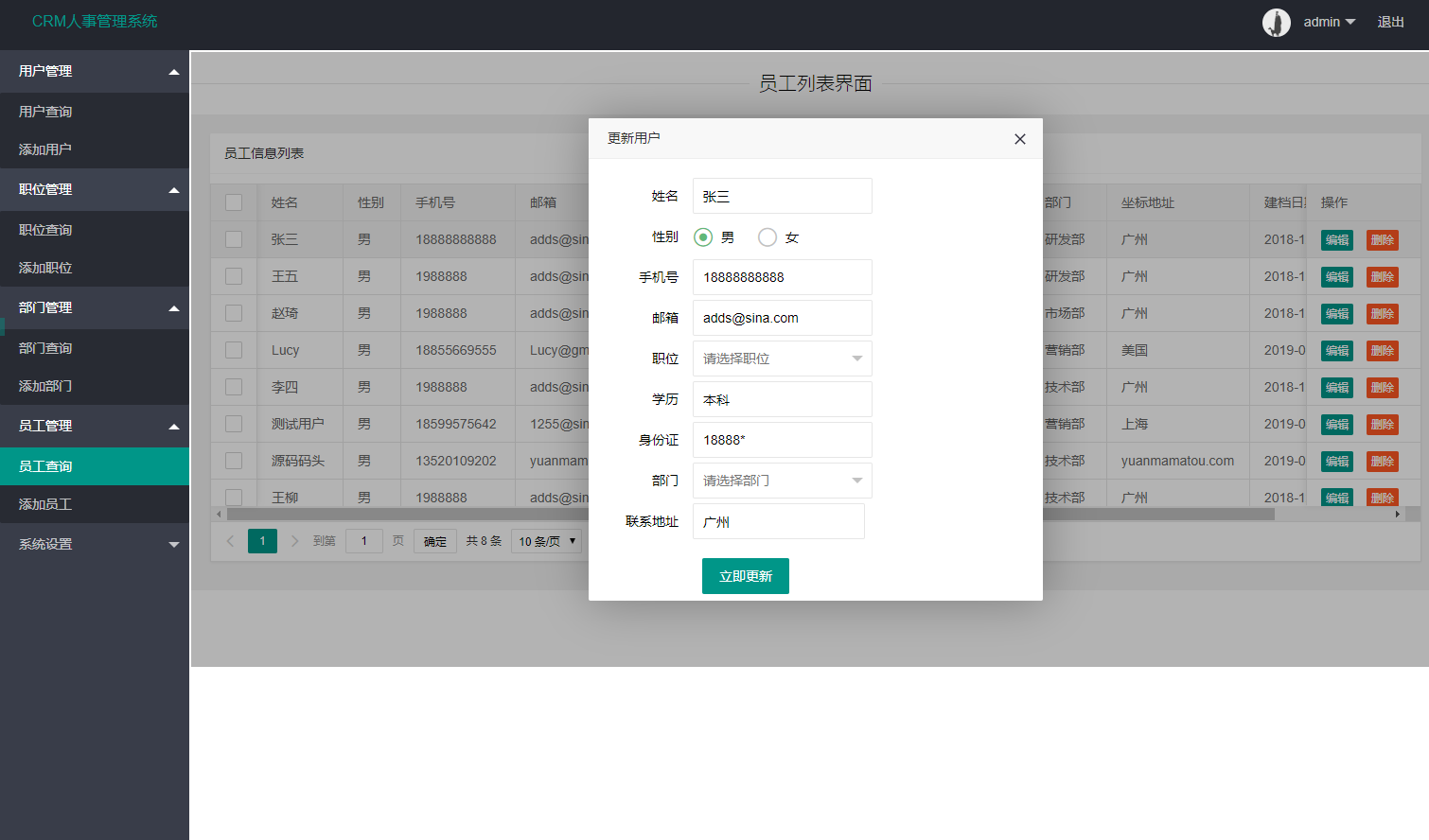
后端通过EmployeeController暴露RESTful API来处理增删改查请求。其核心查询方法如下:
@Controller
@RequestMapping("/employee")
public class EmployeeController {

    @Autowired
    private EmployeeService employeeService;

    @GetMapping("/list")
    public String listEmployees(@RequestParam(value = "pageNum", defaultValue = "1") Integer pageNum,
                               @RequestParam(value = "pageSize", defaultValue = "10") Integer pageSize,
                               Model model) {
        PageHelper.startPage(pageNum, pageSize);
        List<Employee> employees = employeeService.getAllEmployees();
        PageInfo<Employee> pageInfo = new PageInfo<>(employees);
        model.addAttribute("pageInfo", pageInfo);
        return "employee/list";
    }

    @PostMapping("/save")
    @ResponseBody
    public ResponseEntity<Map<String, Object>> saveEmployee(@Valid @RequestBody Employee employee, BindingResult result) {
        Map<String, Object> response = new HashMap<>();
        if (result.hasErrors()) {
            response.put("success", false);
            response.put("message", "参数校验失败");
            return ResponseEntity.badRequest().body(response);
        }
        try {
            employeeService.saveEmployee(employee);
            response.put("success", true);
            response.put("message", "员工信息保存成功");
            return ResponseEntity.ok(response);
        } catch (Exception e) {
            response.put("success", false);
            response.put("message", "保存失败: " + e.getMessage());
            return ResponseEntity.status(HttpStatus.INTERNAL_SERVER_ERROR).body(response);
        }
    }
}
对应的Service层包含了复杂的业务逻辑,例如在保存员工前进行业务规则校验:
@Service
@Transactional
public class EmployeeService {

    @Autowired
    private EmployeeMapper employeeMapper;

    public Employee getEmployeeById(Integer id) {
        return employeeMapper.selectByPrimaryKey(id);
    }

    public List<Employee> getAllEmployees() {
        return employeeMapper.selectAll();
    }

    public void saveEmployee(Employee employee) {
        // 业务逻辑校验:例如,检查邮箱是否已被其他员工使用
        Employee existing = employeeMapper.selectByEmail(employee.getEmail());
        if (existing != null && !existing.getId().equals(employee.getId())) {
            throw new RuntimeException("邮箱地址已被其他员工注册");
        }
        if (employee.getId() == null) {
            employeeMapper.insert(employee);
        } else {
            employeeMapper.updateByPrimaryKey(employee);
        }
    }

    public void deleteEmployee(Integer id) {
        // 软删除,将状态标记为离职,而非物理删除记录
        Employee employee = employeeMapper.selectByPrimaryKey(id);
        if (employee != null) {
            employee.setStatus(0); // 0 代表离职状态
            employeeMapper.updateByPrimaryKey(employee);
        }
    }
}
2. 部门架构管理
清晰的组织架构是企业管理的基础。系统提供了部门的增删改查功能,并确保与员工数据的联动。
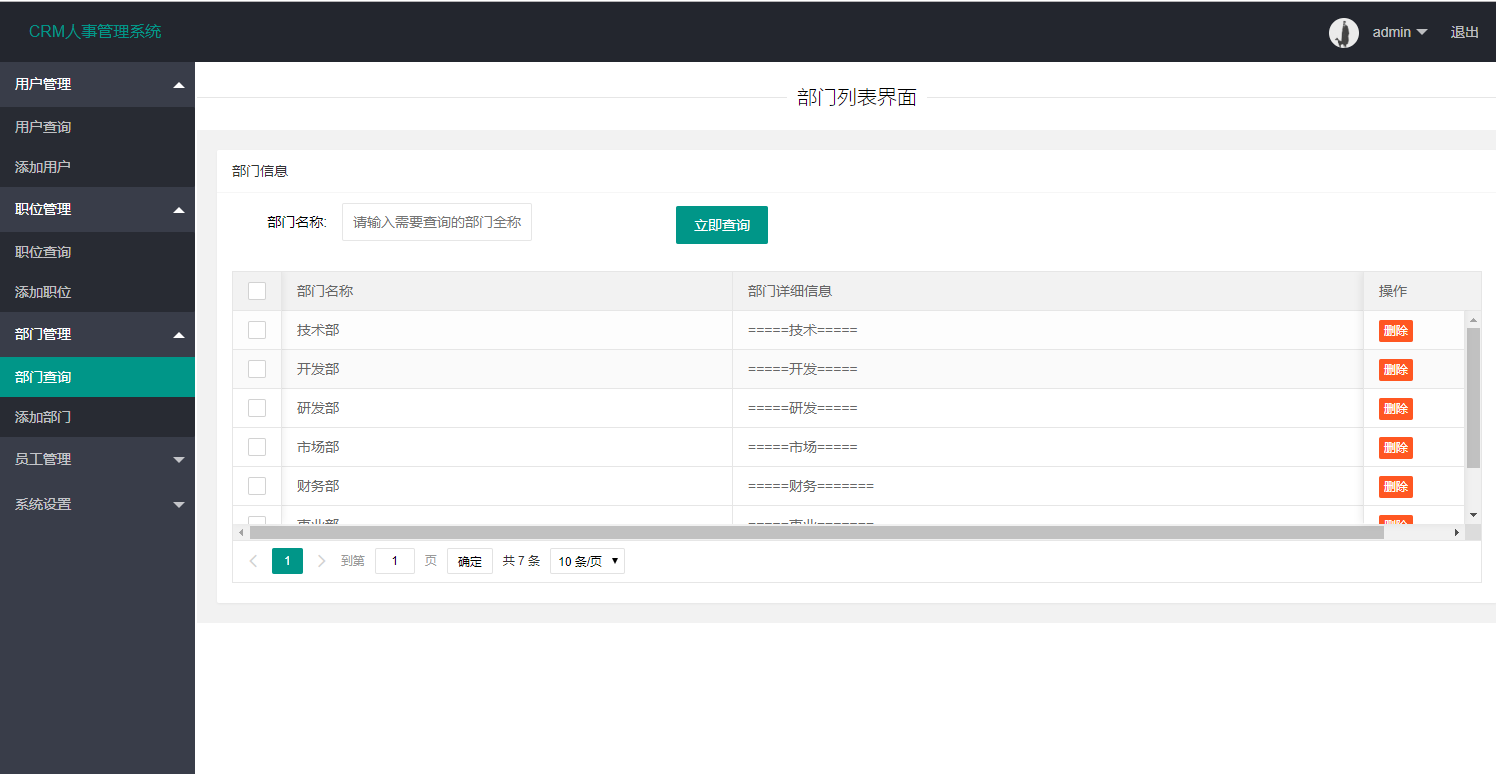
部门管理的后端数据模型和Mapper接口定义体现了MyBatis的简洁性:
// Department.java 实体类
@Data
public class Department {
    private Integer id;
    private String name;
    private String description;
    private Integer parentId; // 支持多级部门
    private Date createTime;
}

// DepartmentMapper.java
@Mapper
public interface DepartmentMapper {
    int deleteByPrimaryKey(Integer id);
    int insert(Department record);
    Department selectByPrimaryKey(Integer id);
    List<Department> selectAll();
    int updateByPrimaryKey(Department record);

    // 查询是否有员工属于该部门
    int countEmployeesInDepartment(Integer departmentId);
}
在删除部门时,Service层会进行存在性检查,防止误删含有员工的部门:
@Service
public class DepartmentService {

    @Autowired
    private DepartmentMapper departmentMapper;
    @Autowired
    private EmployeeMapper employeeMapper;

    public void deleteDepartment(Integer id) {
        // 检查部门下是否还有员工
        int employeeCount = employeeMapper.countByDepartmentId(id);
        if (employeeCount > 0) {
            throw new RuntimeException("该部门下仍有员工,无法删除");
        }
        departmentMapper.deleteByPrimaryKey(id);
    }
}
3. 用户权限与系统安全
系统内置了基于角色的用户权限管理,确保不同角色的用户(如管理员、HR专员、普通员工)只能访问其权限范围内的功能和数据。
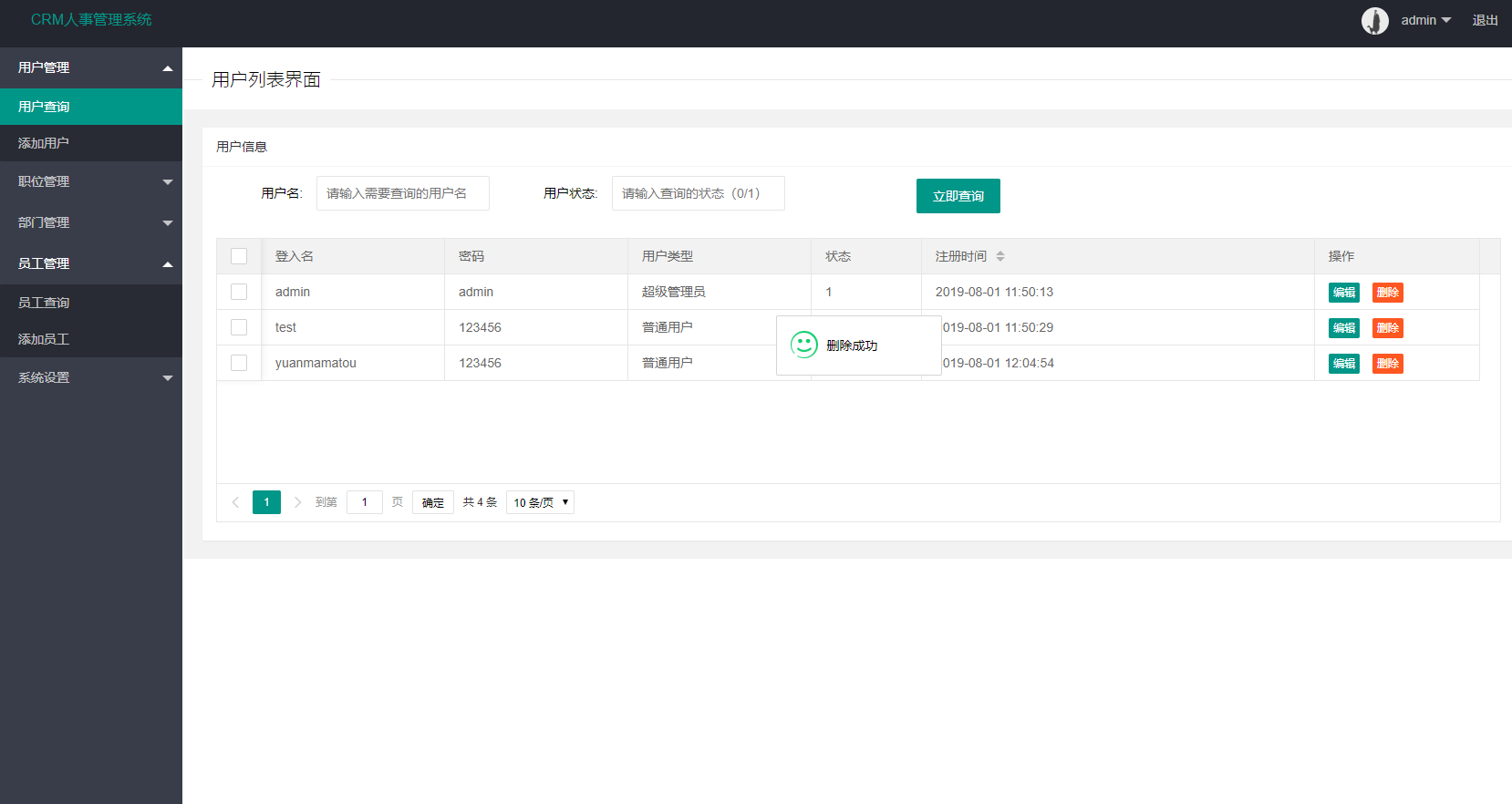
用户登录和认证是系统安全的第一道防线。登录控制器处理认证逻辑:
@Controller
public class LoginController {

    @Autowired
    private UserService userService;

    @PostMapping("/login")
    public String login(@RequestParam String username,
                       @RequestParam String password,
                       HttpSession session,
                       Model model) {
        User user = userService.authenticate(username, password);
        if (user != null) {
            session.setAttribute("currentUser", user);
            return "redirect:/home";
        } else {
            model.addAttribute("error", "用户名或密码错误");
            return "login";
        }
    }

    @GetMapping("/logout")
    public String logout(HttpSession session) {
        session.invalidate();
        return "redirect:/login";
    }
}
为了保障系统安全,关键操作如薪资修改、员工删除等,不仅在前端进行确认,后端也通过拦截器或注解进行权限校验:
// 自定义权限注解
@Target(ElementType.METHOD)
@Retention(RetentionPolicy.RUNTIME)
public @interface RequiresPermission {
    String value(); // 权限标识符,如 "SALARY_MODIFY"
}

// 权限校验拦截器
@Component
public class PermissionInterceptor implements HandlerInterceptor {
    @Override
    public boolean preHandle(HttpServletRequest request, HttpServletResponse response, Object handler) throws Exception {
        if (handler instanceof HandlerMethod) {
            HandlerMethod handlerMethod = (HandlerMethod) handler;
            RequiresPermission permissionAnnotation = handlerMethod.getMethodAnnotation(RequiresPermission.class);
            if (permissionAnnotation != null) {
                User currentUser = (User) request.getSession().getAttribute("currentUser");
                // 检查当前用户是否拥有指定权限
                if (!hasPermission(currentUser, permissionAnnotation.value())) {
                    response.sendError(403, "权限不足");
                    return false;
                }
            }
        }
        return true;
    }
    // ... hasPermission 实现
}
4. 系统首页与数据总览
系统首页为管理员和HR提供了关键数据的可视化总览,直观展示企业人力资源的整体状况。
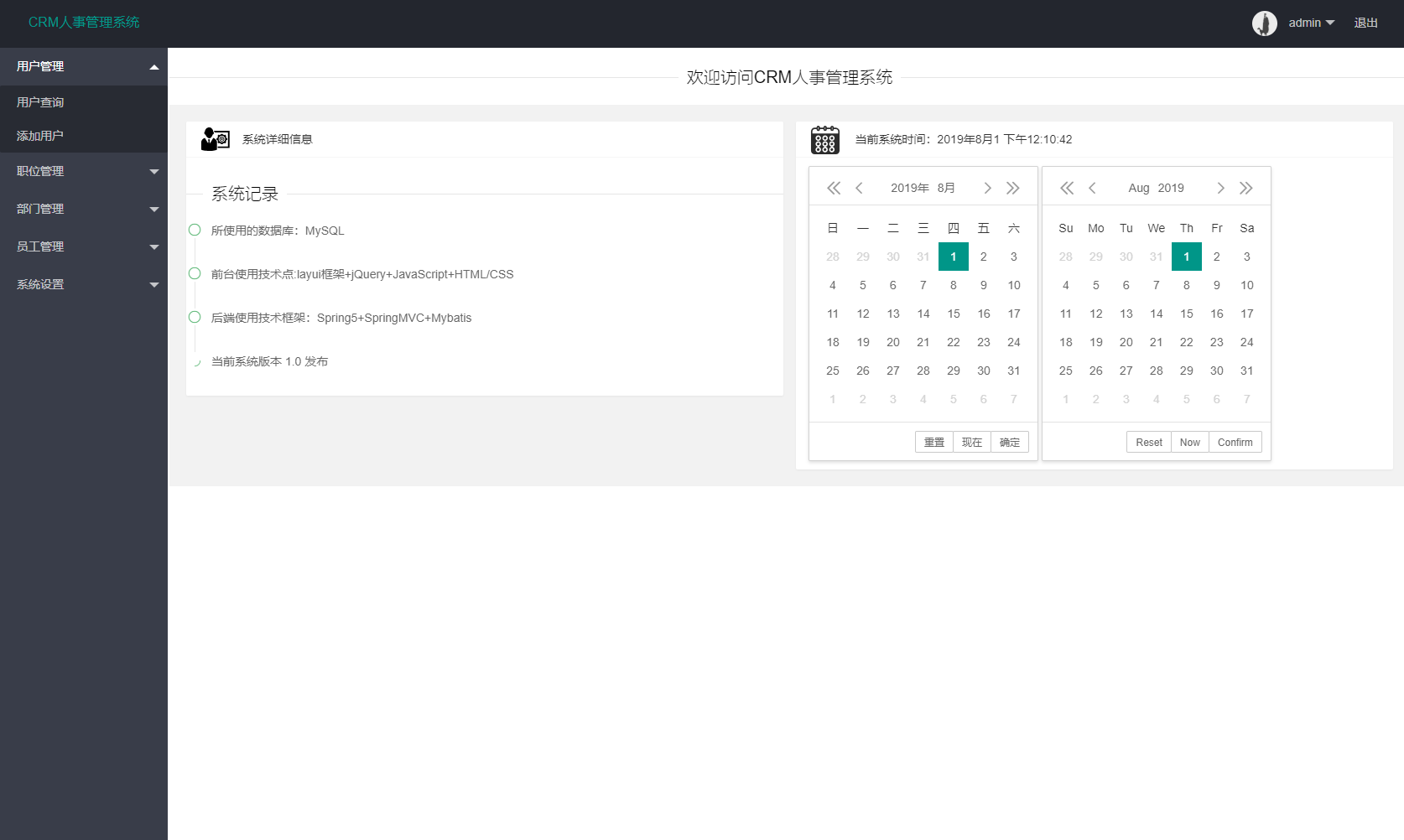
首页控制器聚合了多个服务的数据,为模板渲染提供模型:
@Controller
public class HomeController {

    @Autowired
    private EmployeeService employeeService;
    @Autowired
    private DepartmentService departmentService;
    @Autowired
    private AttendanceService attendanceService;

    @GetMapping("/home")
    public String home(Model model) {
        // 获取在职员工总数
        int totalEmployees = employeeService.countActiveEmployees();
        // 获取部门总数
        int totalDepartments = departmentService.countAllDepartments();
        // 获取当月考勤异常统计(示例)
        Map<String, Integer> attendanceStats = attendanceService.getCurrentMonthStats();

        model.addAttribute("totalEmployees", totalEmployees);
        model.addAttribute("totalDepartments", totalDepartments);
        model.addAttribute("attendanceStats", attendanceStats);

        return "home";
    }
}
实体模型与领域对象
系统的领域对象设计清晰地反映了业务概念。以Employee实体为例,它通过注解与数据库表和验证规则映射:
// Employee.java
@Data
@Table(name = "employee") // MyBatis 表映射
public class Employee {
    @Id
    @GeneratedValue(strategy = GenerationType.IDENTITY) // 主键自增
    private Integer id;

    @NotBlank(message = "员工姓名不能为空")
    @Size(max = 50, message = "姓名长度不能超过50个字符")
    private String name;

    @Email(message = "邮箱格式不正确")
    private String email;

    // 关联对象,非数据库字段,用于前端展示部门名称
    @Transient
    private String departmentName;

    // ... 其他字段及getter/setter
}
未来优化方向与功能展望
- 集成工作流引擎:引入如Activiti或Flowable等工作流引擎,将招聘、请假、报销等审批流程完全流程化、可视化。管理员可以自定义流程节点和审批人,实现业务流程的灵活配置与自动化流转。
- 数据分析与智能报表:超越基础统计,集成更强大的数据分析工具(如ECharts),提供员工流失率分析、绩效趋势预测、人力成本占比等深度分析看板,为战略决策提供数据支持。
- 移动端支持与自助服务:开发微信小程序或轻量级APP,赋予员工自助查询薪资条、提交请假申请、更新个人信息的权限,减轻HR事务性压力,提升员工体验。
- 微服务架构重构:随着业务复杂度的增长,可将单体应用拆分为员工服务、考勤服务、薪酬服务等独立的微服务。这有助于技术栈的异构化(如对性能要求高的服务使用Go语言)、独立部署和弹性伸缩。
- 系统集成与开放API:提供标准的RESTful API,便于与企业的OA系统、财务软件、钉钉/企业微信等第三方平台集成,打破信息壁垒,构建统一的企业数字生态。
该系统通过严谨的架构设计、规范的数据库建模和清晰的代码实现,成功构建了一个功能完备、稳定可靠的人力资源管理平台。其模块化设计为后续的功能扩展和技术演进奠定了坚实基础,展现出SpringBoot技术栈在企业级应用开发中的高效与强大。