在当今内容驱动的互联网环境中,个人博主、技术社区和知识型团队面临着共同挑战:如何高效管理原创内容并与读者建立深度互动。传统方案往往需要组合使用独立的博客系统与论坛软件,导致数据割裂、管理复杂且用户体验不一致。本文介绍的综合内容社区平台,基于SpringBoot框架构建,将内容创作与社区讨论无缝整合,提供了统一的技术解决方案。
该平台采用经典的MVC三层架构,前端使用Thymeleaf模板引擎进行服务端渲染,后端基于SpringBoot 2.x系列版本,数据持久层采用Spring Data JPA与MySQL数据库交互。系统严格遵循RESTful API设计规范,通过自动化配置和约定优于配置的原则,显著降低了部署和维护的复杂度。
数据库架构设计深度解析
系统共设计11张核心数据表,其中用户表、博客文章表和论坛帖子表构成了平台的基础数据模型。
用户表(users)的设计体现了完善的权限控制机制:
CREATE TABLE users (
    id BIGINT AUTO_INCREMENT PRIMARY KEY,
    username VARCHAR(50) UNIQUE NOT NULL,
    email VARCHAR(100) UNIQUE NOT NULL,
    password_hash VARCHAR(255) NOT NULL,
    role ENUM('ADMIN', 'AUTHOR', 'USER') DEFAULT 'USER',
    registration_date TIMESTAMP DEFAULT CURRENT_TIMESTAMP,
    last_login TIMESTAMP NULL,
    profile_picture VARCHAR(255),
    bio TEXT,
    is_active BOOLEAN DEFAULT TRUE
);
该表采用角色枚举类型实现细粒度权限管理,支持管理员、内容作者和普通用户三种身份。密码存储使用哈希加密确保安全性,同时通过last_login字段跟踪用户活跃度,is_active标志位支持软删除功能。
博客文章表(blog_posts)的设计支持丰富的元数据管理:
CREATE TABLE blog_posts (
    id BIGINT AUTO_INCREMENT PRIMARY KEY,
    title VARCHAR(200) NOT NULL,
    content LONGTEXT NOT NULL,
    excerpt TEXT,
    author_id BIGINT NOT NULL,
    category_id BIGINT,
    status ENUM('DRAFT', 'PUBLISHED', 'ARCHIVED') DEFAULT 'DRAFT',
    slug VARCHAR(200) UNIQUE,
    featured_image VARCHAR(255),
    view_count INT DEFAULT 0,
    like_count INT DEFAULT 0,
    comment_count INT DEFAULT 0,
    created_at TIMESTAMP DEFAULT CURRENT_TIMESTAMP,
    updated_at TIMESTAMP DEFAULT CURRENT_TIMESTAMP ON UPDATE CURRENT_TIMESTAMP,
    published_at TIMESTAMP NULL,
    FOREIGN KEY (author_id) REFERENCES users(id),
    FOREIGN KEY (category_id) REFERENCES categories(id)
);
该表通过状态枚举实现完整的内容生命周期管理,支持草稿、已发布和归档三种状态。slug字段提供SEO友好的URL支持,多个计数字段(view_count、like_count等)实现内容热度统计,时间戳字段精确跟踪内容变更历史。
论坛帖子表(forum_threads)的设计突出了社区互动特性:
CREATE TABLE forum_threads (
    id BIGINT AUTO_INCREMENT PRIMARY KEY,
    title VARCHAR(200) NOT NULL,
    content TEXT NOT NULL,
    author_id BIGINT NOT NULL,
    forum_category_id BIGINT NOT NULL,
    is_sticky BOOLEAN DEFAULT FALSE,
    is_locked BOOLEAN DEFAULT FALSE,
    view_count INT DEFAULT 0,
    reply_count INT DEFAULT 0,
    last_reply_at TIMESTAMP NULL,
    created_at TIMESTAMP DEFAULT CURRENT_TIMESTAMP,
    updated_at TIMESTAMP DEFAULT CURRENT_TIMESTAMP ON UPDATE CURRENT_TIMESTAMP,
    FOREIGN KEY (author_id) REFERENCES users(id),
    FOREIGN KEY (forum_category_id) REFERENCES forum_categories(id)
);
置顶(is_sticky)和锁定(is_locked)标志位实现了帖子管理功能,last_reply_at字段优化了帖子列表的排序效率,reply_count字段避免了关联查询的性能开销。
核心实体模型与关系映射
系统通过JPA注解实现了对象关系映射,以下展示几个核心实体类的设计:
用户实体(User)定义了系统的基础身份模型:
@Entity
@Table(name = "users")
public class User {
    @Id
    @GeneratedValue(strategy = GenerationType.IDENTITY)
    private Long id;

    @Column(unique = true, nullable = false, length = 50)
    private String username;

    @Column(unique = true, nullable = false, length = 100)
    private String email;

    @Column(name = "password_hash", nullable = false)
    private String passwordHash;

    @Enumerated(EnumType.STRING)
    private UserRole role;

    @OneToMany(mappedBy = "author", cascade = CascadeType.ALL)
    private List<BlogPost> blogPosts = new ArrayList<>();

    @OneToMany(mappedBy = "author")
    private List<ForumThread> forumThreads = new ArrayList<>();

    @CreationTimestamp
    private Timestamp registrationDate;

    // Getter和Setter方法
}
博客文章实体(BlogPost)封装了内容管理的核心业务逻辑:
@Entity
@Table(name = "blog_posts")
public class BlogPost {
    @Id
    @GeneratedValue(strategy = GenerationType.IDENTITY)
    private Long id;

    @Column(nullable = false, length = 200)
    private String title;

    @Lob
    @Column(nullable = false)
    private String content;

    @Enumerated(EnumType.STRING)
    private PostStatus status;

    @ManyToOne(fetch = FetchType.LAZY)
    @JoinColumn(name = "author_id", nullable = false)
    private User author;

    @ManyToOne(fetch = FetchType.LAZY)
    @JoinColumn(name = "category_id")
    private Category category;

    @Column(unique = true, length = 200)
    private String slug;

    @Column(name = "view_count")
    private Integer viewCount = 0;

    @CreationTimestamp
    private Timestamp createdAt;

    @UpdateTimestamp
    private Timestamp updatedAt;

    // 业务方法
    public void incrementViewCount() {
        this.viewCount++;
    }
}
业务逻辑层设计与实现
系统的服务层采用面向接口编程的设计模式,以下是博客服务的关键实现:
博客服务接口定义了内容管理的契约:
public interface BlogService {
    Page<BlogPost> getPublishedPosts(Pageable pageable);
    BlogPost getPostBySlug(String slug);
    BlogPost createPost(BlogPost post, Long authorId);
    BlogPost updatePost(Long postId, BlogPost postDetails);
    void deletePost(Long postId);
    Page<BlogPost> getPostsByCategory(Long categoryId, Pageable pageable);
    Page<BlogPost> searchPosts(String keyword, Pageable pageable);
}
博客服务实现类封装了复杂的业务规则:
@Service
@Transactional
public class BlogServiceImpl implements BlogService {

    private final BlogPostRepository blogPostRepository;
    private final UserRepository userRepository;

    public BlogServiceImpl(BlogPostRepository blogPostRepository,
                          UserRepository userRepository) {
        this.blogPostRepository = blogPostRepository;
        this.userRepository = userRepository;
    }

    @Override
    public BlogPost createPost(BlogPost post, Long authorId) {
        User author = userRepository.findById(authorId)
            .orElseThrow(() -> new ResourceNotFoundException("用户不存在"));

        if (post.getStatus() == PostStatus.PUBLISHED) {
            post.setPublishedAt(new Timestamp(System.currentTimeMillis()));
        }

        post.setAuthor(author);
        post.setSlug(generateSlug(post.getTitle()));

        return blogPostRepository.save(post);
    }

    @Override
    @Transactional(readOnly = true)
    public BlogPost getPostBySlug(String slug) {
        BlogPost post = blogPostRepository.findBySlugAndStatus(slug, PostStatus.PUBLISHED)
            .orElseThrow(() -> new ResourceNotFoundException("文章未找到"));

        post.incrementViewCount();
        blogPostRepository.save(post);

        return post;
    }

    private String generateSlug(String title) {
        // 生成URL友好的slug逻辑
        return Normalizer.normalize(title, Normalizer.Form.NFD)
            .replaceAll("[^\\p{ASCII}]", "")
            .replaceAll("[^a-zA-Z0-9\\s]", "")
            .replaceAll("\\s+", "-")
            .toLowerCase();
    }
}
控制层RESTful API设计
系统通过Spring MVC注解提供清晰的API端点,以下展示文章管理的关键控制器:
博客文章控制器处理前端的内容请求:
@RestController
@RequestMapping("/api/posts")
public class BlogPostController {

    private final BlogService blogService;

    public BlogPostController(BlogService blogService) {
        this.blogService = blogService;
    }

    @GetMapping
    public ResponseEntity<Page<BlogPost>> getPublishedPosts(
            @RequestParam(defaultValue = "0") int page,
            @RequestParam(defaultValue = "10") int size) {

        Pageable pageable = PageRequest.of(page, size, Sort.by("publishedAt").descending());
        Page<BlogPost> posts = blogService.getPublishedPosts(pageable);

        return ResponseEntity.ok(posts);
    }

    @GetMapping("/{slug}")
    public ResponseEntity<BlogPost> getPost(@PathVariable String slug) {
        BlogPost post = blogService.getPostBySlug(slug);
        return ResponseEntity.ok(post);
    }

    @PostMapping
    @PreAuthorize("hasRole('AUTHOR') or hasRole('ADMIN')")
    public ResponseEntity<BlogPost> createPost(@RequestBody BlogPost post,
                                             @AuthenticationPrincipal UserDetails userDetails) {
        Long authorId = getCurrentUserId(userDetails);
        BlogPost createdPost = blogService.createPost(post, authorId);
        return ResponseEntity.status(HttpStatus.CREATED).body(createdPost);
    }

    @PutMapping("/{id}")
    @PreAuthorize("hasRole('AUTHOR') or hasRole('ADMIN')")
    public ResponseEntity<BlogPost> updatePost(@PathVariable Long id,
                                             @RequestBody BlogPost postDetails) {
        BlogPost updatedPost = blogService.updatePost(id, postDetails);
        return ResponseEntity.ok(updatedPost);
    }
}
论坛控制器处理社区互动功能:
@RestController
@RequestMapping("/api/forum")
public class ForumController {

    private final ForumService forumService;
    private final ReplyService replyService;

    @GetMapping("/threads")
    public ResponseEntity<Page<ForumThread>> getThreads(
            @RequestParam Long categoryId,
            @RequestParam(defaultValue = "0") int page,
            @RequestParam(defaultValue = "20") int size) {

        Pageable pageable = PageRequest.of(page, size,
            Sort.by("isSticky").descending().and(Sort.by("lastReplyAt").descending()));

        Page<ForumThread> threads = forumService.getThreadsByCategory(categoryId, pageable);
        return ResponseEntity.ok(threads);
    }

    @PostMapping("/threads/{threadId}/replies")
    @PreAuthorize("isAuthenticated()")
    public ResponseEntity<Reply> createReply(@PathVariable Long threadId,
                                           @RequestBody Reply reply,
                                           @AuthenticationPrincipal UserDetails userDetails) {
        Long authorId = getCurrentUserId(userDetails);
        Reply createdReply = replyService.createReply(threadId, reply, authorId);
        return ResponseEntity.status(HttpStatus.CREATED).body(createdReply);
    }
}
前端界面与用户体验
系统采用Thymeleaf模板引擎实现服务端渲染,保证首屏加载速度的同时提供丰富的交互体验。
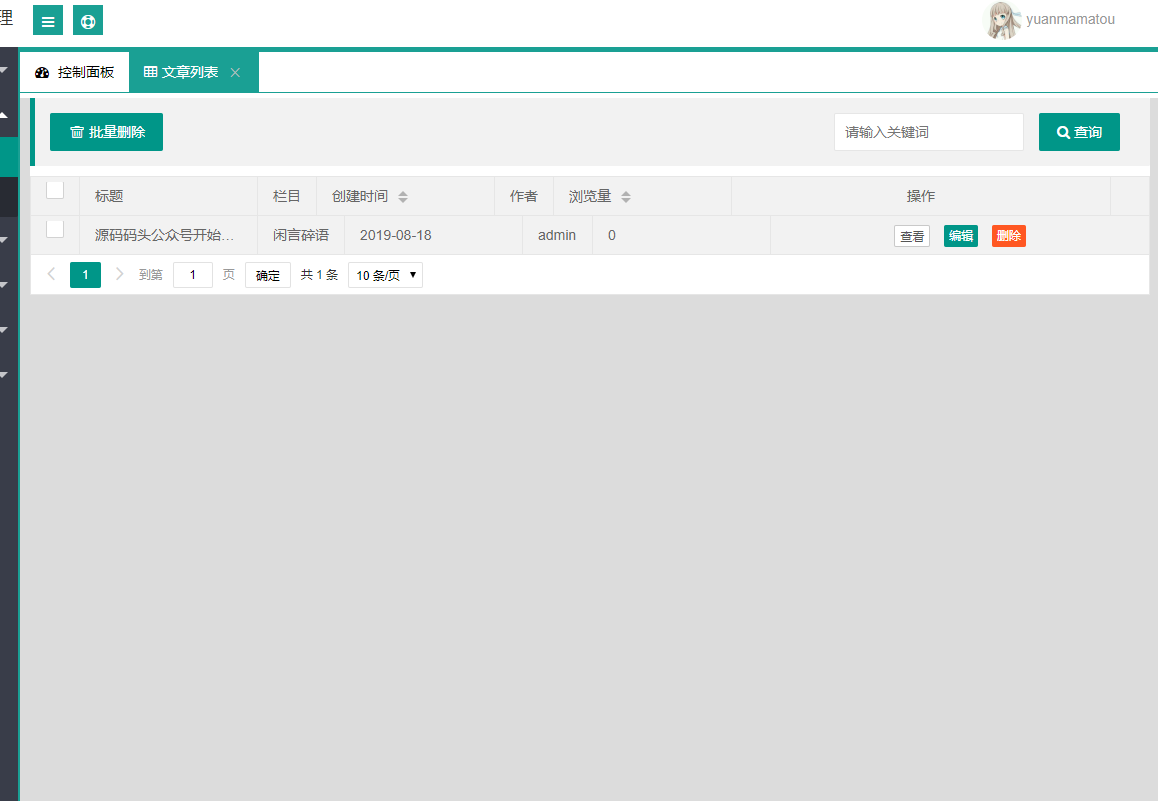
文章管理界面采用卡片式布局,清晰展示文章状态、阅读量和互动数据。管理员可以在此界面执行批量操作和快速筛选。
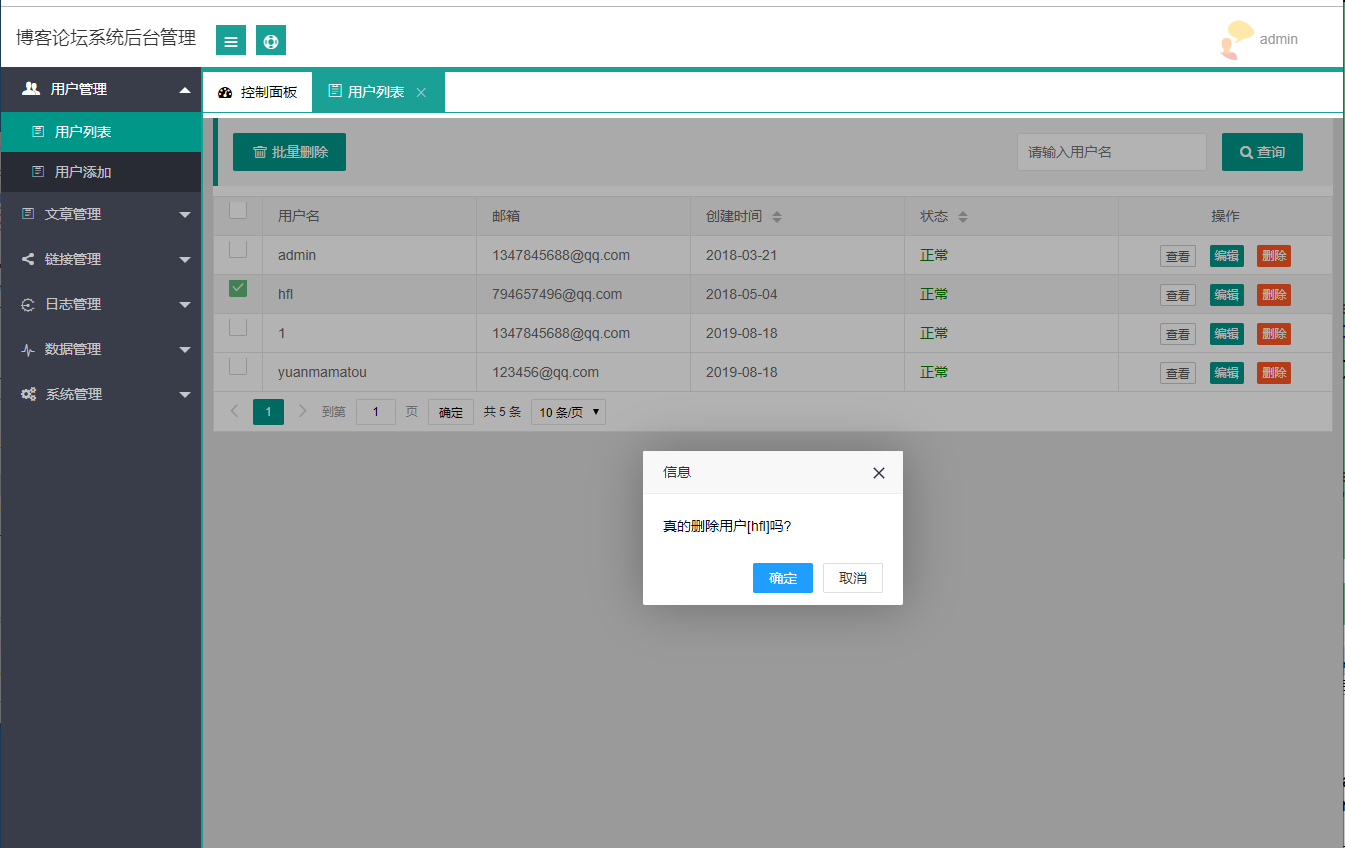
用户管理面板提供完整的CRUD功能,支持按角色筛选和批量权限修改,界面采用响应式设计确保在移动设备上的可用性。
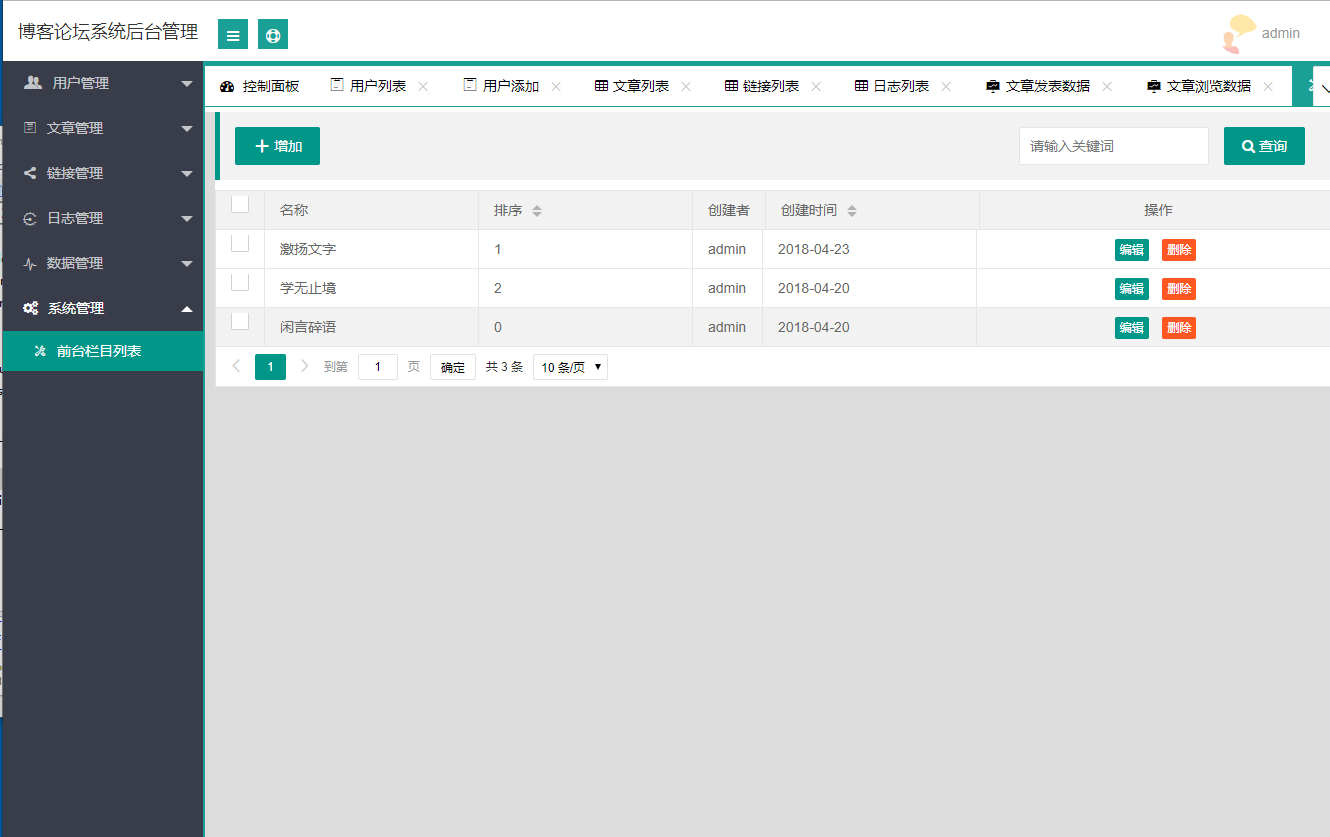
分类管理界面采用树形结构展示层级关系,支持拖拽排序和批量操作,直观反映内容组织结构。
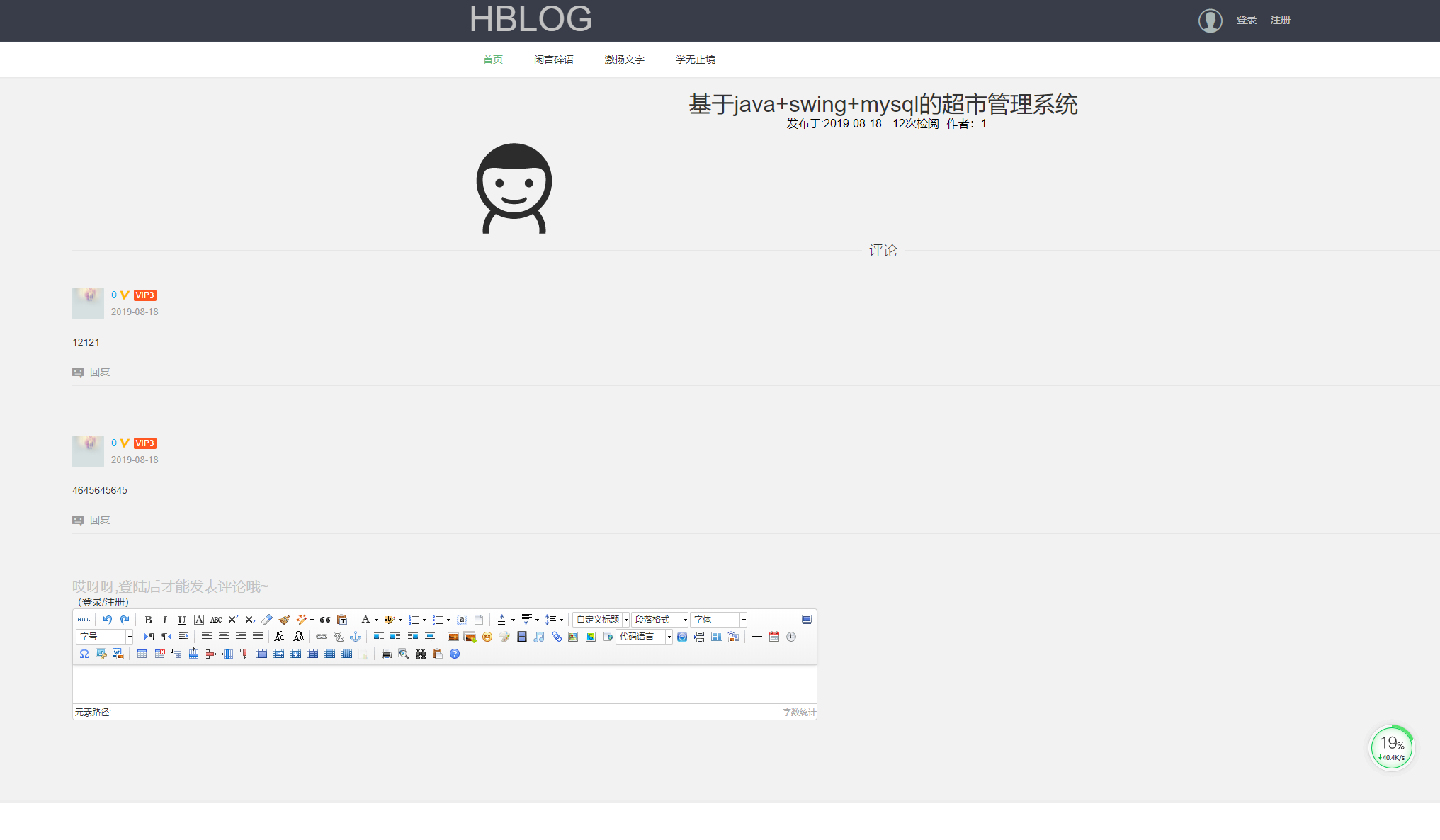
文章阅读页面优化了排版和可读性,集成社交分享功能和相关文章推荐,侧边栏显示目录导航增强长文阅读体验。
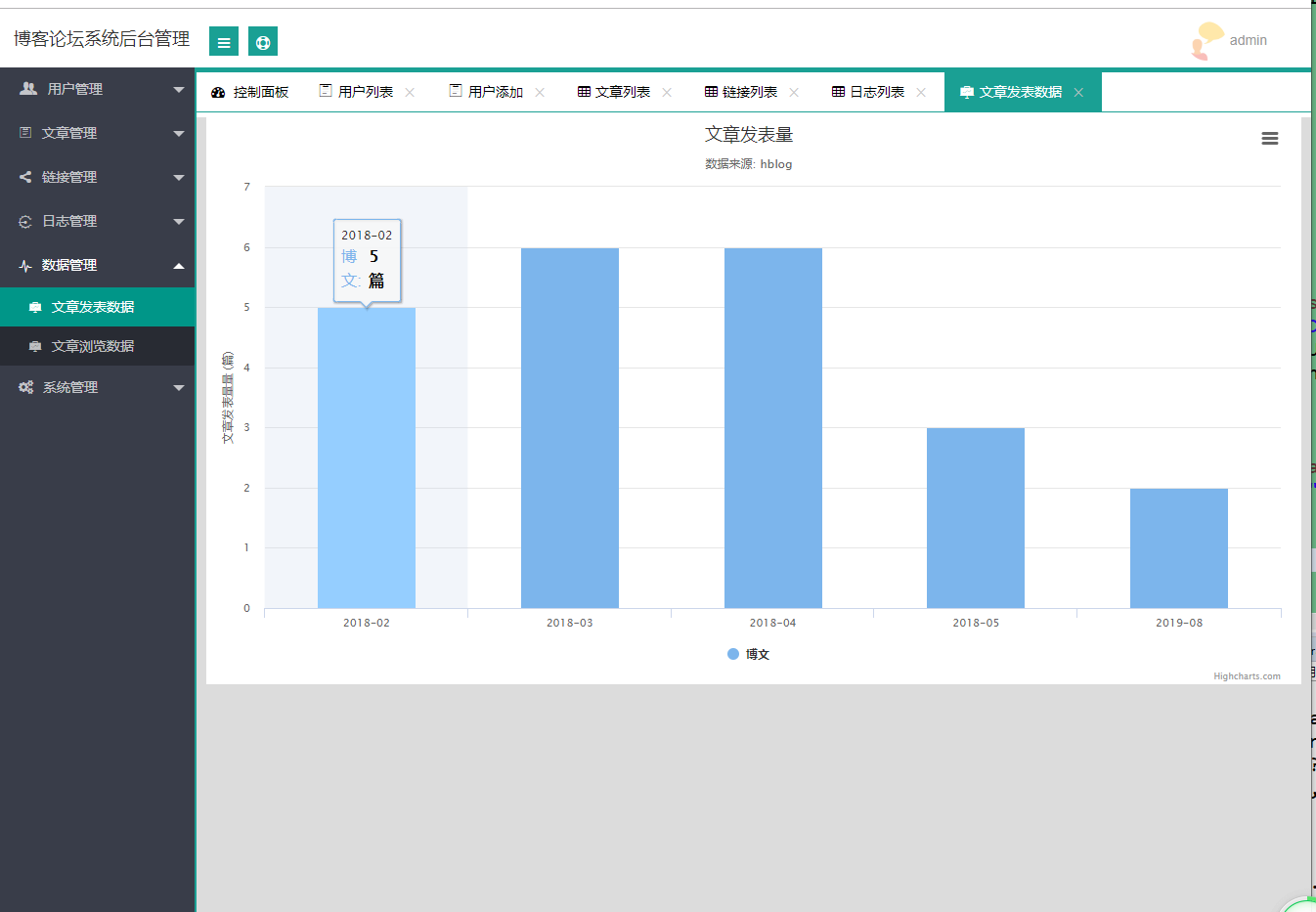
数据统计仪表盘通过图表可视化展示平台关键指标,帮助管理员快速掌握内容趋势和用户行为模式。
数据访问层优化策略
系统通过Spring Data JPA的规范接口和自定义查询方法实现高效的数据访问:
博客文章仓库接口展示了复杂查询的实现:
@Repository
public interface BlogPostRepository extends JpaRepository<BlogPost, Long> {

    Optional<BlogPost> findBySlugAndStatus(String slug, PostStatus status);

    @Query("SELECT p FROM BlogPost p WHERE p.status = 'PUBLISHED' AND " +
           "(p.title LIKE %:keyword% OR p.content LIKE %:keyword%)")
    Page<BlogPost> searchPublishedPosts(@Param("keyword") String keyword, Pageable pageable);

    @Query("SELECT p FROM BlogPost p WHERE p.category.id = :categoryId AND p.status = 'PUBLISHED'")
    Page<BlogPost> findByCategoryIdAndStatus(@Param("categoryId") Long categoryId, Pageable pageable);

    @Query("SELECT new map(YEAR(p.publishedAt) as year, MONTH(p.publishedAt) as month, COUNT(p) as count) " +
           "FROM BlogPost p WHERE p.status = 'PUBLISHED' GROUP BY YEAR(p.publishedAt), MONTH(p.publishedAt) " +
           "ORDER BY year DESC, month DESC")
    List<Map<String, Object>> getArchiveStatistics();

    @EntityGraph(attributePaths = {"author", "category"})
    Optional<BlogPost> findWithAuthorAndCategoryById(Long id);
}
系统安全与权限控制
系统通过Spring Security实现多层次的安全防护:
安全配置类定义访问控制规则:
@Configuration
@EnableWebSecurity
public class SecurityConfig {

    @Bean
    public SecurityFilterChain filterChain(HttpSecurity http) throws Exception {
        http
            .authorizeHttpRequests(authz -> authz
                .requestMatchers("/admin/**").hasRole("ADMIN")
                .requestMatchers("/author/**").hasAnyRole("AUTHOR", "ADMIN")
                .requestMatchers("/api/posts/**").permitAll()
                .requestMatchers("/api/forum/**").authenticated()
                .anyRequest().permitAll()
            )
            .formLogin(form -> form
                .loginPage("/login")
                .defaultSuccessUrl("/dashboard")
                .permitAll()
            )
            .logout(logout -> logout
                .logoutSuccessUrl("/")
                .permitAll()
            )
            .rememberMe(remember -> remember
                .tokenValiditySeconds(7 * 24 * 60 * 60) // 7天
            );

        return http.build();
    }

    @Bean
    public PasswordEncoder passwordEncoder() {
        return new BCryptPasswordEncoder();
    }
}
性能优化与扩展性考虑
系统在架构设计阶段就考虑了性能优化和未来扩展:
缓存配置类实现多级缓存策略:
@Configuration
@EnableCaching
public class CacheConfig {

    @Bean
    public CacheManager cacheManager() {
        ConcurrentMapCacheManager cacheManager = new ConcurrentMapCacheManager();
        cacheManager.setCacheNames(Arrays.asList(
            "blogPosts", "categories", "users", "forumThreads"
        ));
        return cacheManager;
    }

    @Bean
    public RedisCacheManagerBuilderCustomizer redisCacheManagerBuilderCustomizer() {
        return builder -> builder
            .withCacheConfiguration("blogPosts",
                RedisCacheConfiguration.defaultCacheConfig()
                    .entryTtl(Duration.ofHours(1))
                    .disableCachingNullValues())
            .withCacheConfiguration("categories",
                RedisCacheConfiguration.defaultCacheConfig()
                    .entryTtl(Duration.ofDays(1)));
    }
}
未来功能扩展方向
基于当前系统架构,可以考虑以下扩展方向:
实时消息推送功能 集成WebSocket实现实时评论通知和站内信功能,增强用户互动体验。
@Configuration
@EnableWebSocketMessageBroker
public class WebSocketConfig implements WebSocketMessageBrokerConfigurer {

    @Override
    public void configureMessageBroker(MessageBrokerRegistry config) {
        config.enableSimpleBroker("/topic");
        config.setApplicationDestinationPrefixes("/app");
    }

    @Override
    public void registerStompEndpoints(StompEndpointRegistry registry) {
        registry.addEndpoint("/ws").withSockJS();
    }
}
全文搜索优化 集成Elasticsearch提供更强大的搜索功能,支持分词、同义词和相关性排序。
@Service
public class SearchService {

    private final ElasticsearchOperations elasticsearchOperations;

    public Page<BlogPost> search(String query, Pageable pageable) {
        NativeSearchQuery searchQuery = new NativeSearchQueryBuilder()
            .withQuery(QueryBuilders.multiMatchQuery(query, "title", "content"))
            .withPageable(pageable)
            .build();

        return elasticsearchOperations.search(searchQuery, BlogPost.class);
    }
}
内容推荐引擎 基于用户行为数据实现个性化内容推荐,使用协同过滤和内容相似度算法。
@Service
public class RecommendationService {

    public List<BlogPost> getRecommendedPosts(Long userId, int limit) {
        // 基于用户阅读历史和行为模式生成推荐
        return recommendationEngine.generateRecommendations(userId, limit);
    }
}
多租户架构支持 改造为SaaS模式,支持多个独立站点共享同一套系统基础设施。
@Component
public class TenantContext {

    private static final ThreadLocal<String> currentTenant = new ThreadLocal<>();

    public static void setCurrentTenant(String tenant) {
        currentTenant.set(tenant);
    }