在当今物联网技术快速发展的背景下,传统家居设备控制分散、操作界面不统一的问题日益凸显。用户需要通过多个独立应用程序或遥控器来管理不同的智能设备,这种碎片化的体验严重影响了智能家居的实用性和用户体验。针对这一痛点,采用JSP+Servlet技术栈构建的集中式智能家居管理平台应运而生。
该平台采用经典的三层架构模式,前端使用JSP进行动态页面渲染,结合HTML、CSS和JavaScript构建用户界面;中间层由Servlet担任控制器,处理所有业务逻辑和HTTP请求;数据持久化层通过JDBC连接MySQL数据库,实现设备状态、用户操作记录等信息的存储。这种架构确保了系统的高内聚低耦合,为后续功能扩展奠定了坚实基础。
数据库设计深度解析
系统数据库包含8个核心表,其中设备状态表(device_status)和用户操作记录表(user_operations)的设计尤为精妙。
设备状态表采用模块化设计,通过status_field字段动态存储不同类型的设备状态值,配合data_type字段标识数值类型,实现了对异构设备的统一管理。这种设计避免了为每种设备类型创建独立字段的冗余,显著提升了系统的扩展性。
CREATE TABLE device_status (
    id INT PRIMARY KEY AUTO_INCREMENT,
    device_id VARCHAR(50) NOT NULL,
    status_field VARCHAR(100) NOT NULL,
    status_value TEXT,
    data_type ENUM('boolean','number','string') DEFAULT 'string',
    update_time TIMESTAMP DEFAULT CURRENT_TIMESTAMP,
    FOREIGN KEY (device_id) REFERENCES smart_devices(device_id)
);
用户操作记录表采用审计日志模式,不仅记录操作内容,还通过operation_type字段区分控制指令、状态查询、场景设置等操作类型。timestamp字段采用自动更新机制,为设备控制的时间序列分析提供了完整的数据基础。
CREATE TABLE user_operations (
    record_id INT PRIMARY KEY AUTO_INCREMENT,
    user_id INT NOT NULL,
    device_id VARCHAR(50) NOT NULL,
    operation_type VARCHAR(50) NOT NULL,
    command_value TEXT,
    operation_time TIMESTAMP DEFAULT CURRENT_TIMESTAMP,
    result_status VARCHAR(20),
    FOREIGN KEY (user_id) REFERENCES users(user_id)
);
核心功能实现机制
设备集中控制功能通过DeviceControlServlet实现,该Servlet采用命令模式处理各类设备指令。当用户通过Web界面发送控制命令时,Servlet首先验证用户会话状态和设备权限,然后根据设备类型调用相应的控制逻辑。
public class DeviceControlServlet extends HttpServlet {
    protected void doPost(HttpServletRequest request, HttpServletResponse response) {
        String deviceId = request.getParameter("deviceId");
        String command = request.getParameter("command");
        String userId = (String) request.getSession().getAttribute("userId");

        DeviceControlService controlService = new DeviceControlService();
        ControlResult result = controlService.executeCommand(userId, deviceId, command);

        // 记录操作日志
        OperationLogger.logOperation(userId, deviceId, command, result.getStatus());

        response.setContentType("application/json");
        response.getWriter().write(result.toJSON());
    }
}
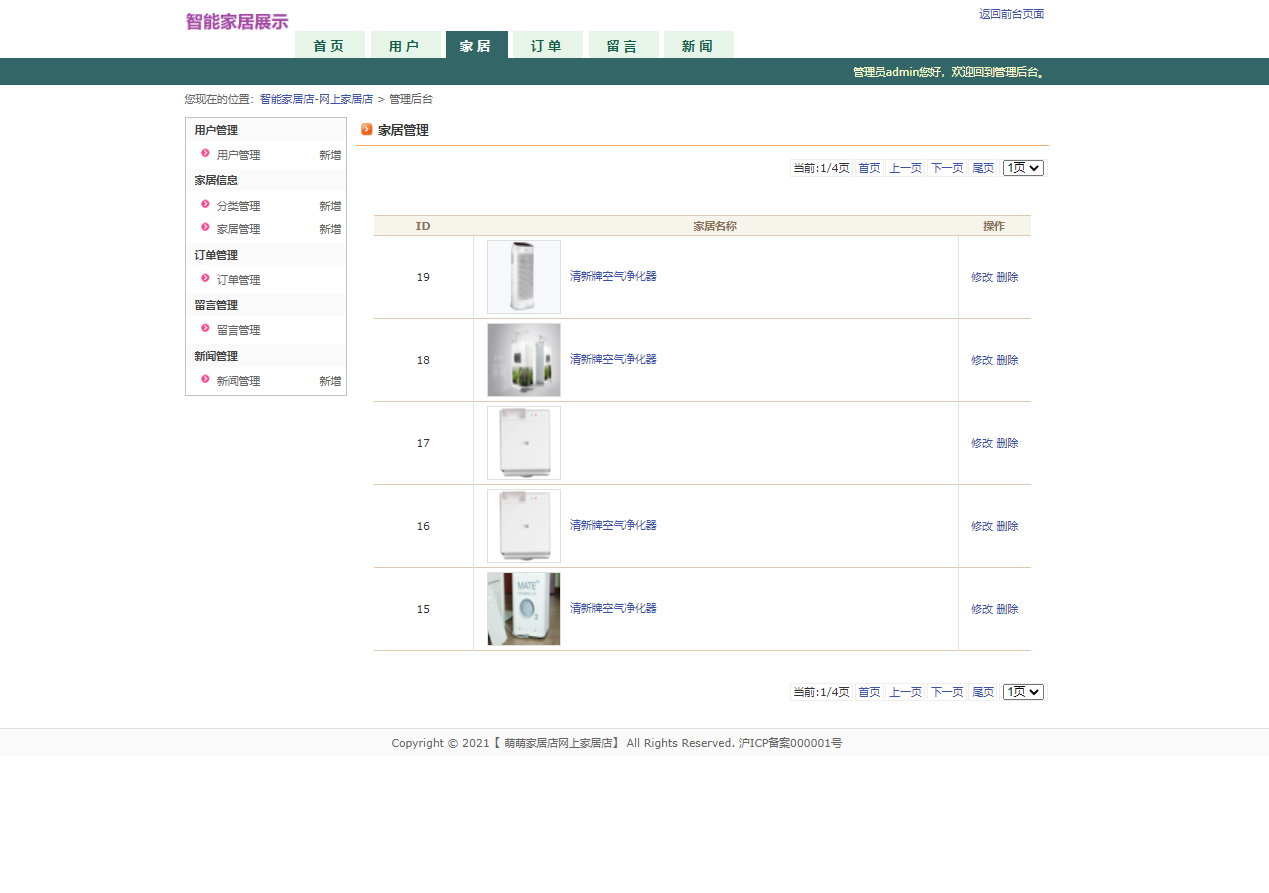
场景模式管理功能允许用户预设多种家居场景,如"离家模式"、"回家模式"等。SceneManagerServlet通过事务处理确保多个设备状态变更的原子性,避免出现部分设备执行失败导致的场景不一致问题。
public class SceneManagerServlet extends HttpServlet {
    public boolean activateScene(String sceneId, String userId) {
        Connection conn = null;
        try {
            conn = DatabaseUtil.getConnection();
            conn.setAutoCommit(false);

            Scene scene = sceneDAO.getSceneById(sceneId);
            List<SceneDevice> devices = sceneDeviceDAO.getDevicesByScene(sceneId);

            for (SceneDevice device : devices) {
                DeviceControlService controlService = new DeviceControlService();
                ControlResult result = controlService.executeCommand(userId,
                    device.getDeviceId(), device.getCommand());
                if (!result.isSuccess()) {
                    conn.rollback();
                    return false;
                }
            }
            conn.commit();
            return true;
        } catch (SQLException e) {
            if (conn != null) conn.rollback();
            return false;
        }
    }
}
实时状态监控功能通过Ajax长轮询技术实现,StatusMonitorServlet定期查询设备状态变化,并将更新推送到前端界面。这种设计避免了频繁的页面刷新,提供了流畅的用户体验。
public class StatusMonitorServlet extends HttpServlet {
    protected void doGet(HttpServletRequest request, HttpServletResponse response) {
        String userId = (String) request.getSession().getAttribute("userId");
        long lastUpdate = Long.parseLong(request.getParameter("lastUpdate"));

        // 查询自上次更新后的状态变化
        List<DeviceStatus> statusChanges = statusDAO.getStatusChanges(userId, lastUpdate);

        JSONArray jsonArray = new JSONArray();
        for (DeviceStatus status : statusChanges) {
            jsonArray.put(status.toJSONObject());
        }

        response.setContentType("application/json");
        response.getWriter().write(jsonArray.toString());
    }
}
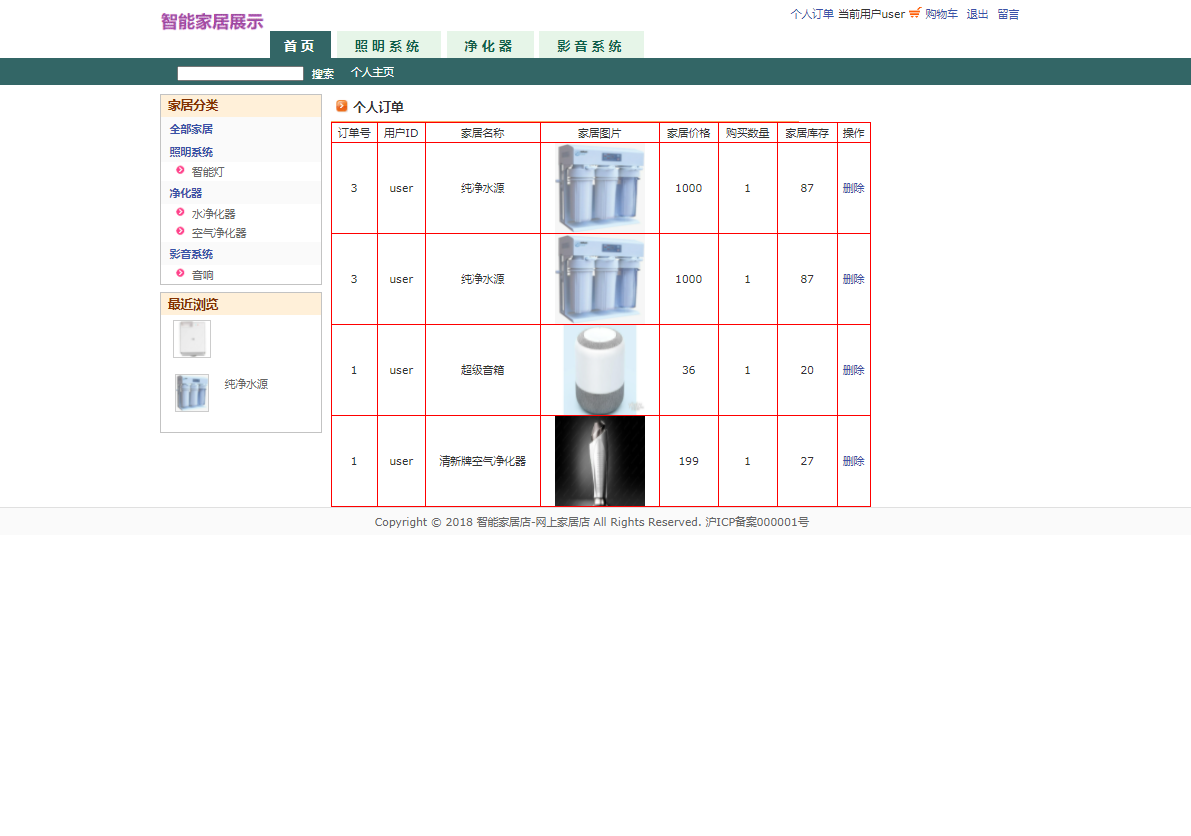
用户权限管理系统采用基于角色的访问控制模型,不同角色的用户具有不同的设备操作权限。AuthFilter作为全局过滤器,对所有请求进行身份验证和权限检查。
public class AuthFilter implements Filter {
    public void doFilter(ServletRequest request, ServletResponse response, FilterChain chain) {
        HttpServletRequest httpRequest = (HttpServletRequest) request;
        HttpSession session = httpRequest.getSession(false);

        if (session == null || session.getAttribute("userId") == null) {
            ((HttpServletResponse) response).sendRedirect("login.jsp");
            return;
        }

        String requestURI = httpRequest.getRequestURI();
        String userRole = (String) session.getAttribute("userRole");

        if (!PermissionChecker.hasPermission(userRole, requestURI)) {
            ((HttpServletResponse) response).sendError(403, "权限不足");
            return;
        }

        chain.doFilter(request, response);
    }
}
实体模型设计精要
系统采用面向对象的设计理念,核心实体模型包括Device、User、Scene等。Device实体采用策略模式,不同类型的设备通过继承基类实现特定的控制逻辑。
public abstract class Device {
    protected String deviceId;
    protected String deviceName;
    protected String deviceType;
    protected String location;

    public abstract ControlResult executeCommand(String command);
    public abstract DeviceStatus getCurrentStatus();
}

public class LightDevice extends Device {
    private boolean isOn;
    private int brightness;

    public ControlResult executeCommand(String command) {
        if ("turnOn".equals(command)) {
            this.isOn = true;
            return ControlResult.success("灯光已开启");
        } else if ("turnOff".equals(command)) {
            this.isOn = false;
            return ControlResult.success("灯光已关闭");
        }
        return ControlResult.failure("不支持的命令");
    }
}
用户实体采用建造者模式,支持灵活的用户属性配置,同时确保对象创建的完整性。
public class User {
    private final String userId;
    private final String username;
    private final String email;
    private final String role;
    private final Date createTime;

    private User(Builder builder) {
        this.userId = builder.userId;
        this.username = builder.username;
        this.email = builder.email;
        this.role = builder.role;
        this.createTime = builder.createTime;
    }

    public static class Builder {
        private String userId;
        private String username;
        private String email;
        private String role;
        private Date createTime;

        public Builder userId(String userId) {
            this.userId = userId;
            return this;
        }

        public User build() {
            return new User(this);
        }
    }
}
数据访问层优化策略
系统采用DAO模式进行数据访问封装,通过连接池技术优化数据库连接管理。AbstractDAO基类提供了通用的CRUD操作方法,各具体DAO类继承基类并实现特定于实体的数据访问逻辑。
public abstract class AbstractDAO<T> {
    protected Connection getConnection() throws SQLException {
        return DataSourceManager.getConnection();
    }

    public T findById(String id) {
        Connection conn = null;
        try {
            conn = getConnection();
            PreparedStatement stmt = conn.prepareStatement(getFindByIdSQL());
            stmt.setString(1, id);
            ResultSet rs = stmt.executeQuery();

            if (rs.next()) {
                return mapResultSetToEntity(rs);
            }
            return null;
        } catch (SQLException e) {
            throw new RuntimeException("数据库查询失败", e);
        } finally {
            closeConnection(conn);
        }
    }

    protected abstract String getFindByIdSQL();
    protected abstract T mapResultSetToEntity(ResultSet rs) throws SQLException;
}
未来优化方向
设备联动规则引擎可引入Drools等规则引擎技术,实现基于条件的自动设备控制。通过图形化界面配置规则条件和执行动作,降低用户使用门槛。
实时通信机制升级可采用WebSocket替代当前的Ajax轮询,实现真正的双向实时通信。当设备状态发生变化时,服务器可主动推送更新到客户端,减少网络开销并提高响应速度。
移动端适配优化通过响应式设计或开发独立的移动应用,提升移动设备上的操作体验。考虑采用PWA技术,实现离线操作和消息推送等高级功能。
大数据分析集成可引入Elasticsearch等搜索引擎,实现对设备操作日志的多维度分析。通过机器学习算法分析用户行为模式,提供个性化的智能场景推荐。
第三方设备接入标准化设计设备接入抽象层,支持不同厂商设备的快速接入。采用统一的设备描述语言,如W3C的Web of Things标准,提高系统的兼容性和扩展性。
系统安全性强化增加双因素认证、设备操作二次确认等安全机制。引入设备操作异常检测算法,及时发现潜在的安全威胁。
通过上述技术实现和优化方向,该智能家居控制系统展现了JSP+Servlet技术栈在企业级应用中的强大生命力。系统的模块化设计和可扩展架构为后续功能演进提供了充分的技术保障,体现了传统Java Web技术在现代物联网应用中的实用价值。