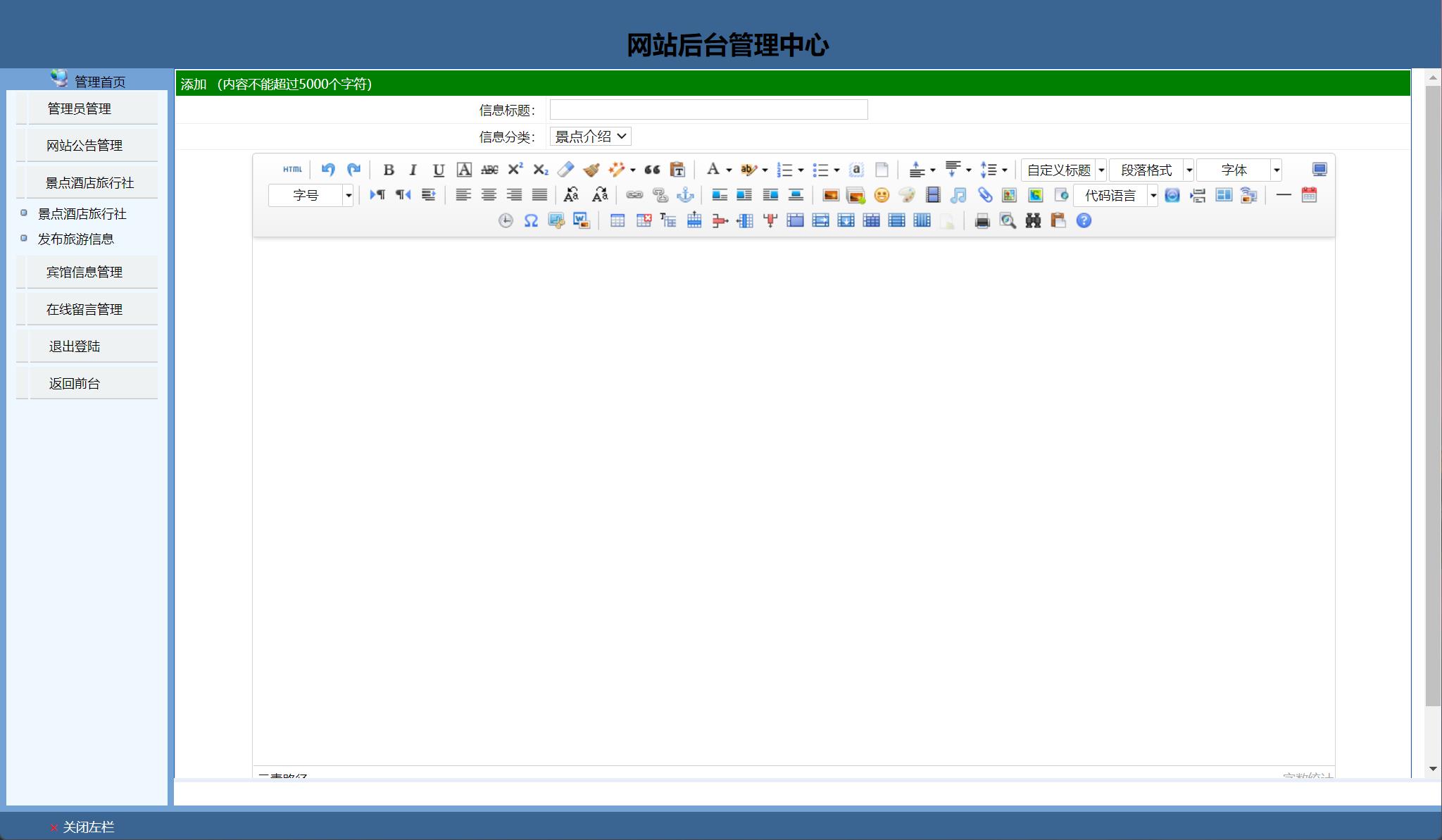
随着旅游业的快速发展和信息化水平的不断提升,传统风景区管理面临着信息更新滞后、服务渠道分散、运营效率低下等突出问题。针对这些痛点,我们设计并实现了一套基于JSP+Servlet技术的风景区综合信息管理平台,命名为"景智通"管理系统。该系统采用经典的三层架构模式,通过统一平台整合景区资源管理、游客服务、数据统计分析等核心功能,为景区管理者提供高效的后台管理工具,同时为游客提供便捷的在线信息服务。
系统采用标准的MVC设计模式,Servlet作为控制器层负责接收和转发所有HTTP请求,JSP页面专注于视图展示,JavaBean封装业务逻辑和数据访问操作。数据持久层使用JDBC直接连接MySQL数据库,通过预编译的PreparedStatement确保数据库操作的安全性和性能。整个系统包含13个核心数据表,覆盖用户管理、景区信息、票务管理、公告发布等业务场景。
数据库设计亮点分析
用户表(users)的设计充分考虑了系统的安全性和扩展性需求:
CREATE TABLE users (
    user_id INT PRIMARY KEY AUTO_INCREMENT,
    username VARCHAR(50) UNIQUE NOT NULL,
    password VARCHAR(100) NOT NULL,
    real_name VARCHAR(50),
    email VARCHAR(100),
    phone VARCHAR(20),
    user_type ENUM('admin', 'manager', 'tourist') DEFAULT 'tourist',
    status ENUM('active', 'inactive') DEFAULT 'active',
    created_time TIMESTAMP DEFAULT CURRENT_TIMESTAMP,
    last_login_time TIMESTAMP,
    login_count INT DEFAULT 0
);
该表采用自增主键确保数据唯一性,user_type字段使用枚举类型严格限制用户角色,password字段预留足够的长度用于存储加密后的密码。last_login_time和login_count字段为后续的用户行为分析提供数据支持。
景区信息表(scenic_spots)的设计体现了完整的信息管理需求:
CREATE TABLE scenic_spots (
    spot_id INT PRIMARY KEY AUTO_INCREMENT,
    spot_name VARCHAR(100) NOT NULL,
    description TEXT,
    location VARCHAR(200),
    latitude DECIMAL(10,8),
    longitude DECIMAL(11,8),
    open_time TIME,
    close_time TIME,
    ticket_price DECIMAL(10,2),
    max_capacity INT,
    current_visitors INT DEFAULT 0,
    weather_info VARCHAR(500),
    image_url VARCHAR(500),
    status ENUM('open', 'closed', 'maintenance') DEFAULT 'open',
    created_by INT,
    created_time TIMESTAMP DEFAULT CURRENT_TIMESTAMP,
    updated_time TIMESTAMP DEFAULT CURRENT_TIMESTAMP ON UPDATE CURRENT_TIMESTAMP
);
该表通过经纬度坐标支持地图定位功能,max_capacity和current_visitors字段实现游客流量监控,updated_time字段自动记录最后更新时间,确保数据的时效性。
核心功能实现深度解析
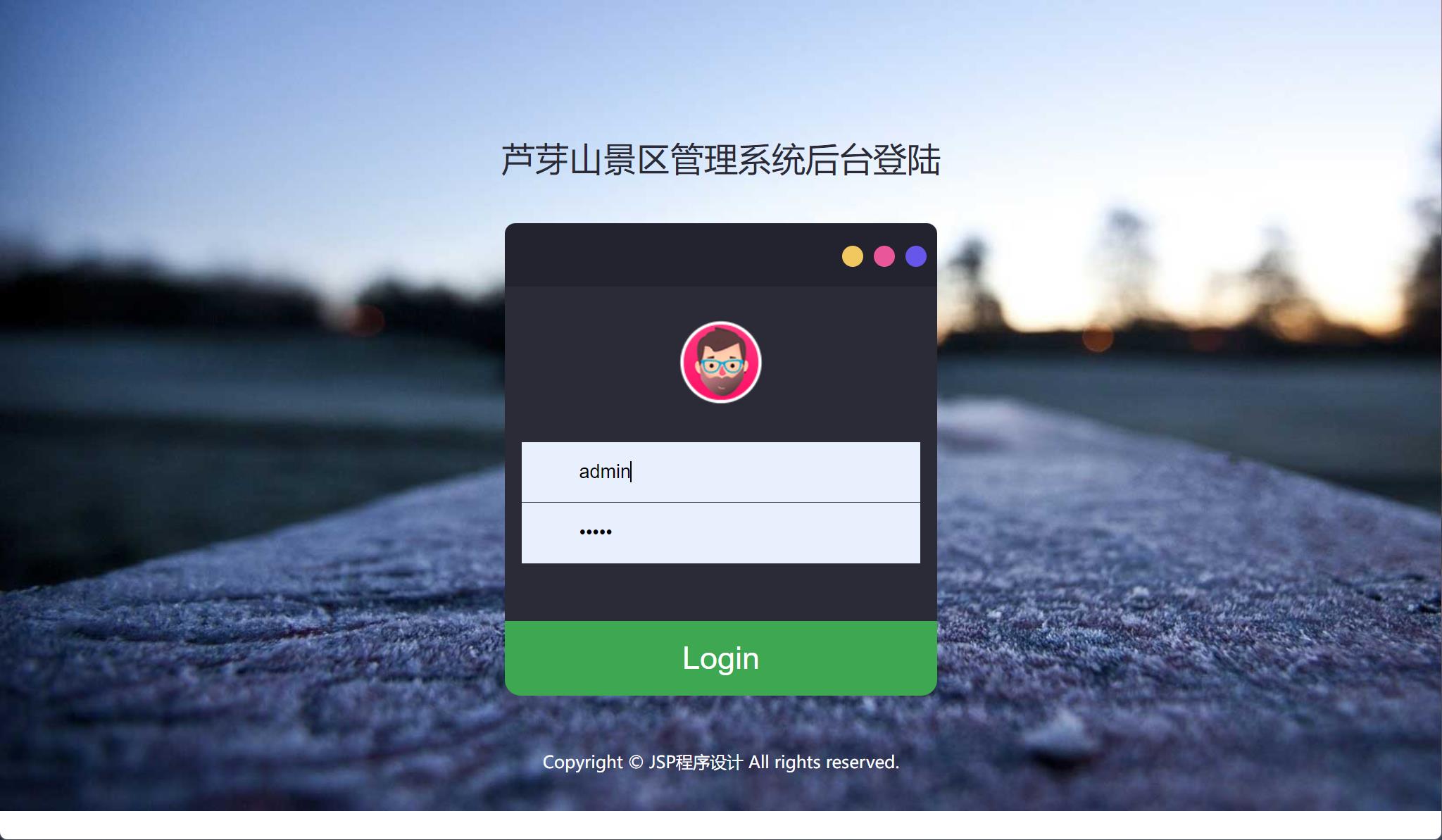
- 用户认证与权限管理 系统采用基于角色的访问控制机制,通过过滤器实现统一的权限验证:
public class AuthenticationFilter implements Filter {
    @Override
    public void doFilter(ServletRequest request, ServletResponse response,
                        FilterChain chain) throws IOException, ServletException {
        HttpServletRequest httpRequest = (HttpServletRequest) request;
        HttpServletResponse httpResponse = (HttpServletResponse) response;

        String path = httpRequest.getRequestURI().substring(
            httpRequest.getContextPath().length());

        if (path.startsWith("/admin") && !isAdminUser(httpRequest)) {
            httpResponse.sendRedirect(httpRequest.getContextPath() + "/login.jsp");
            return;
        }

        chain.doFilter(request, response);
    }

    private boolean isAdminUser(HttpServletRequest request) {
        HttpSession session = request.getSession(false);
        return session != null &&
               session.getAttribute("userType") != null &&
               session.getAttribute("userType").equals("admin");
    }
}
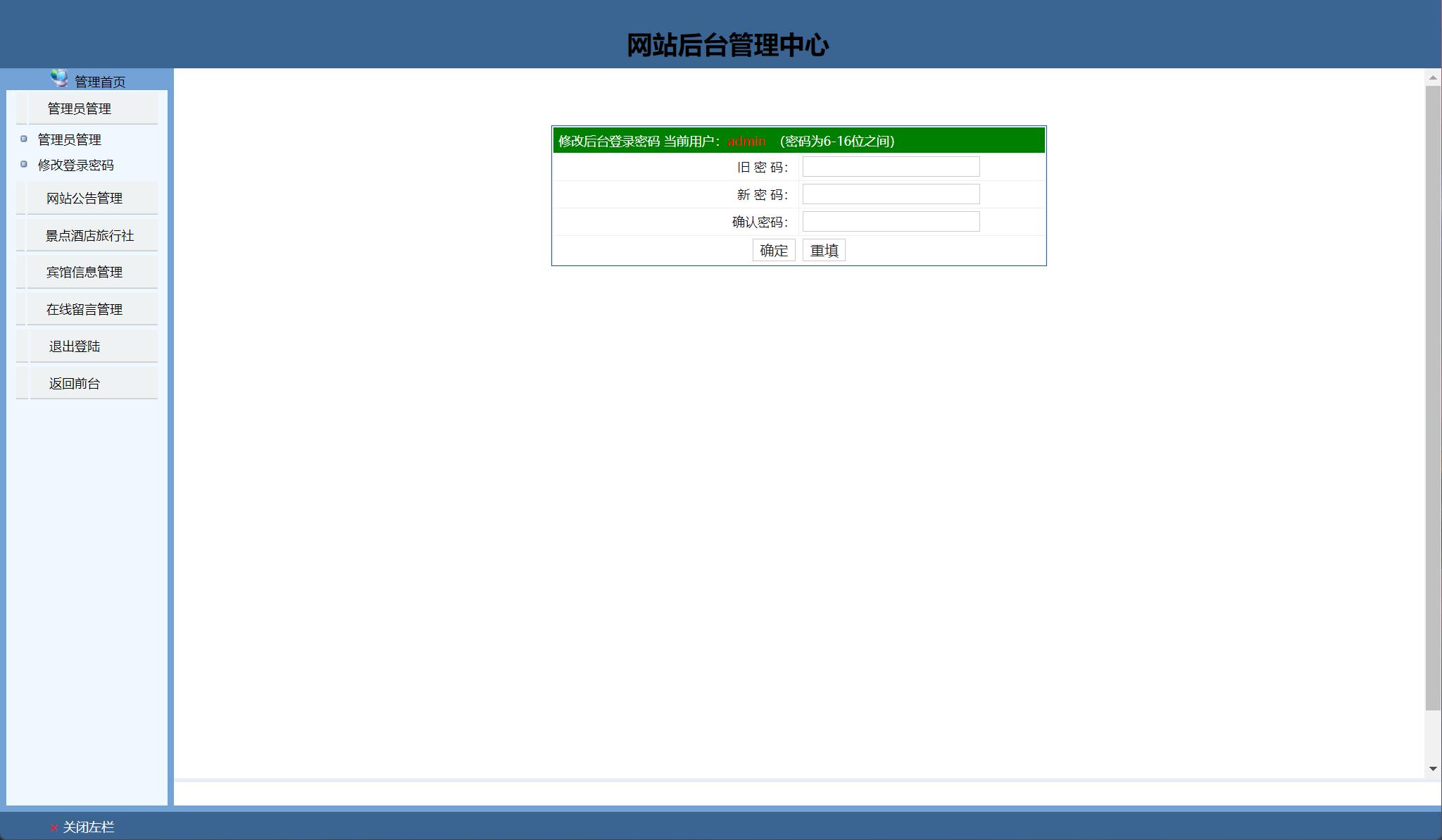
- 景区信息动态管理 景区信息的增删改查操作通过ScenicSpotServlet统一处理,确保业务逻辑的集中管理:
@WebServlet("/admin/scenic-spots")
public class ScenicSpotServlet extends HttpServlet {
    private ScenicSpotDAO scenicSpotDAO;

    @Override
    public void init() throws ServletException {
        scenicSpotDAO = new ScenicSpotDAO();
    }

    @Override
    protected void doPost(HttpServletRequest request, HttpServletResponse response)
            throws ServletException, IOException {
        String action = request.getParameter("action");

        switch (action) {
            case "add":
                addScenicSpot(request, response);
                break;
            case "update":
                updateScenicSpot(request, response);
                break;
            case "delete":
                deleteScenicSpot(request, response);
                break;
        }
    }

    private void addScenicSpot(HttpServletRequest request, HttpServletResponse response)
            throws ServletException, IOException {
        try {
            ScenicSpot spot = new ScenicSpot();
            spot.setSpotName(request.getParameter("spotName"));
            spot.setDescription(request.getParameter("description"));
            spot.setLocation(request.getParameter("location"));
            spot.setTicketPrice(new BigDecimal(request.getParameter("ticketPrice")));

            scenicSpotDAO.addScenicSpot(spot);
            request.setAttribute("message", "景区添加成功");
        } catch (Exception e) {
            request.setAttribute("error", "添加失败: " + e.getMessage());
        }

        request.getRequestDispatcher("/admin/scenic-list.jsp").forward(request, response);
    }
}
- 数据访问层优化 采用连接池技术和预编译语句提升数据库操作性能:
public class ScenicSpotDAO {
    private DataSource dataSource;

    public ScenicSpotDAO() {
        dataSource = DatabaseUtil.getDataSource();
    }

    public List<ScenicSpot> getAllScenicSpots() throws SQLException {
        List<ScenicSpot> spots = new ArrayList<>();
        String sql = "SELECT * FROM scenic_spots WHERE status = 'open' ORDER BY created_time DESC";

        try (Connection conn = dataSource.getConnection();
             PreparedStatement stmt = conn.prepareStatement(sql);
             ResultSet rs = stmt.executeQuery()) {

            while (rs.next()) {
                ScenicSpot spot = extractScenicSpotFromResultSet(rs);
                spots.add(spot);
            }
        }
        return spots;
    }

    private ScenicSpot extractScenicSpotFromResultSet(ResultSet rs) throws SQLException {
        ScenicSpot spot = new ScenicSpot();
        spot.setSpotId(rs.getInt("spot_id"));
        spot.setSpotName(rs.getString("spot_name"));
        spot.setDescription(rs.getString("description"));
        spot.setLocation(rs.getString("location"));
        spot.setTicketPrice(rs.getBigDecimal("ticket_price"));
        spot.setCurrentVisitors(rs.getInt("current_visitors"));
        spot.setMaxCapacity(rs.getInt("max_capacity"));
        return spot;
    }
}

- 前端页面动态数据展示 JSP页面使用JSTL和EL表达式实现数据的动态渲染:
<%@ page contentType="text/html;charset=UTF-8" language="java" %>
<%@ taglib prefix="c" uri="http://java.sun.com/jsp/jstl/core" %>
<!DOCTYPE html>
<html>
<head>
    <title>景区信息展示</title>
    <style>
        .spot-card {
            border: 1px solid #ddd;
            margin: 10px;
            padding: 15px;
            border-radius: 5px;
        }
        .visitor-warning {
            color: #ff4444;
            font-weight: bold;
        }
    </style>
</head>
<body>
    <h2>景区列表</h2>
    <c:forEach var="spot" items="${scenicSpots}">
        <div class="spot-card">
            <h3>${spot.spotName}</h3>
            <p>位置:${spot.location}</p>
            <p>门票价格:¥${spot.ticketPrice}</p>
            <p>当前游客:${spot.currentVisitors} / ${spot.maxCapacity}</p>
            <c:if test="${spot.currentVisitors / spot.maxCapacity > 0.8}">
                <p class="visitor-warning">游客较多,建议错峰游览</p>
            </c:if>
        </div>
    </c:forEach>
</body>
</html>
实体模型设计
系统采用面向对象的设计思想,通过实体类封装业务数据:
public class ScenicSpot {
    private int spotId;
    private String spotName;
    private String description;
    private String location;
    private BigDecimal latitude;
    private BigDecimal longitude;
    private Time openTime;
    private Time closeTime;
    private BigDecimal ticketPrice;
    private int maxCapacity;
    private int currentVisitors;
    private String weatherInfo;
    private String imageUrl;
    private String status;
    private int createdBy;
    private Timestamp createdTime;
    private Timestamp updatedTime;

    // 构造函数、getter和setter方法
    public ScenicSpot() {}

    public ScenicSpot(int spotId, String spotName, String location,
                     BigDecimal ticketPrice) {
        this.spotId = spotId;
        this.spotName = spotName;
        this.location = location;
        this.ticketPrice = ticketPrice;
    }

    // 完整的getter和setter方法
    public int getSpotId() { return spotId; }
    public void setSpotId(int spotId) { this.spotId = spotId; }

    public String getSpotName() { return spotName; }
    public void setSpotName(String spotName) { this.spotName = spotName; }

    // ... 其他getter和setter方法
}
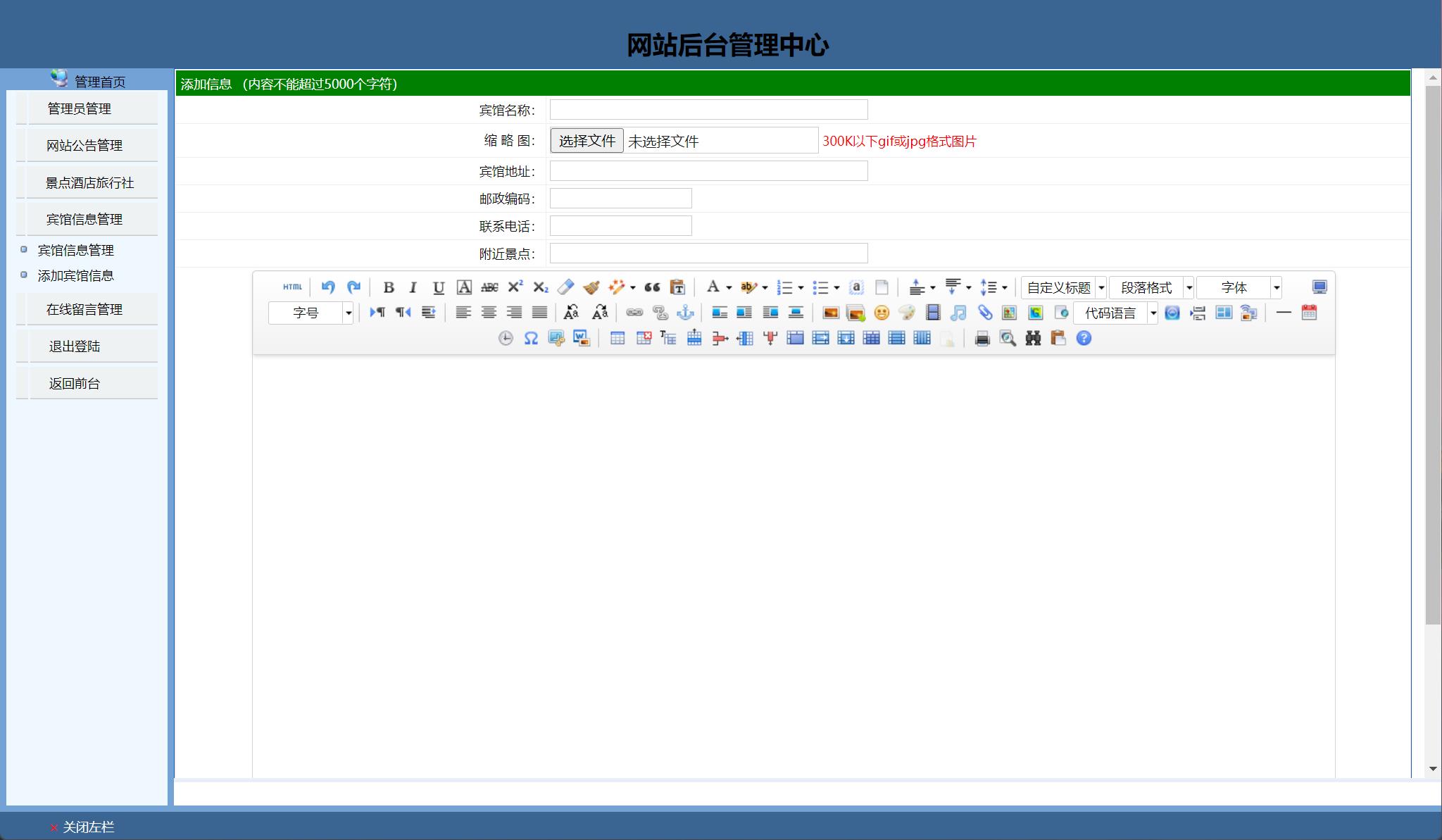
系统架构的扩展性考虑
系统采用分层架构设计,各层之间通过接口进行通信,确保系统的可扩展性和可维护性:
// 业务逻辑层接口定义
public interface ScenicSpotService {
    List<ScenicSpot> getAllActiveSpots();
    ScenicSpot getSpotById(int spotId);
    boolean addSpot(ScenicSpot spot);
    boolean updateSpot(ScenicSpot spot);
    boolean deleteSpot(int spotId);
    boolean updateVisitorCount(int spotId, int visitorCount);
}

// 服务实现类
public class ScenicSpotServiceImpl implements ScenicSpotService {
    private ScenicSpotDAO scenicSpotDAO;

    public ScenicSpotServiceImpl() {
        this.scenicSpotDAO = new ScenicSpotDAO();
    }

    @Override
    public List<ScenicSpot> getAllActiveSpots() {
        try {
            return scenicSpotDAO.getAllScenicSpots();
        } catch (SQLException e) {
            throw new RuntimeException("获取景区列表失败", e);
        }
    }

    @Override
    public boolean updateVisitorCount(int spotId, int visitorCount) {
        if (visitorCount < 0) {
            throw new IllegalArgumentException("游客数量不能为负数");
        }

        try {
            return scenicSpotDAO.updateVisitorCount(spotId, visitorCount);
        } catch (SQLException e) {
            throw new RuntimeException("更新游客数量失败", e);
        }
    }
}
功能展望与优化方向
移动端适配与响应式设计 当前系统主要面向PC端用户,未来可引入Bootstrap等前端框架实现响应式布局,确保在手机、平板等移动设备上的良好用户体验。实现思路包括采用流式布局、媒体查询技术,并开发专门的移动端界面组件。
实时数据监控与预警机制 增加基于WebSocket的实时游客流量监控功能,当景区游客数量接近最大承载量时自动发送预警信息。技术实现可通过建立WebSocket连接,结合后端定时任务对游客数据进行实时分析。
智能推荐算法集成 基于游客的历史浏览记录和偏好数据,实现个性化景区推荐功能。可采用协同过滤算法,建立用户-景点评分矩阵,为不同用户推荐最合适的游览路线和景点组合。
多语言国际化支持 为适应国际游客需求,增加多语言支持功能。通过资源文件管理不同语言的文本内容,结合用户浏览器语言设置或手动选择实现界面语言的动态切换。
第三方服务集成 集成天气预报API、在线地图服务、电子支付接口等第三方服务,提升系统的功能完整性和用户体验。通过RESTful API调用方式实现与外部服务的无缝对接。
系统通过严谨的架构设计和规范的技术实现,为风景区管理提供了完整的数字化解决方案。基于JSP+Servlet的技术栈选择确保了系统的稳定性和性能,而模块化的设计理念为后续的功能扩展奠定了坚实基础。随着旅游行业的不断发展,"景智通"管理系统将持续演进,为景区智慧化管理提供更加强大的技术支撑。