在数字化教育快速发展的背景下,传统纸质考试模式因其组织周期长、资源消耗大、人工阅卷易出错等固有弊端,已难以满足现代教育与培训对效率与公正性的高标准要求。针对这一核心痛点,我们设计并实现了一套基于经典J2EE技术栈的“智慧考评通”系统。该系统采用成熟的JSP/Servlet技术架构,构建了一个集试题管理、智能组卷、在线考试、自动阅卷及成绩分析于一体的全流程数字化考核平台。
系统严格遵循MVC设计模式进行架构分层。Servlet作为系统的核心控制器,承担了所有HTTP请求的接收、解析与分发职责,是业务逻辑的调度中枢。JSP页面则专注于视图渲染,通过EL表达式和JSTL标签库有效剥离了页面中的Java代码,实现了表现层的简洁与高效。数据持久层采用JDBC直接连接MySQL数据库,并通过DAO设计模式对数据访问逻辑进行了封装,确保了业务逻辑与数据访问逻辑的分离,提高了代码的可维护性和可扩展性。Session机制被用于管理用户的登录状态和严格的考试过程控制,保障了系统的安全性与事务一致性。
数据库架构设计与核心表解析
一个健壮的系统离不开精心设计的数据库模型。“智慧考评通”的核心业务数据由5张关键表支撑,其设计充分考虑了数据的完整性、一致性与查询效率。
1. 用户表与权限分离设计
系统采用了一种清晰的身份区分策略,将用户分为管理员和考生两类,其信息分别存储在admin表和candidate表(或student表)中。这种设计相较于使用单一用户表加角色字段的方案,在业务逻辑上更为清晰,可以有效避免权限混淆,并能为不同角色定制差异化的字段。
以考生信息表为例,其DDL结构可能如下:
CREATE TABLE candidate (
    candidate_id INT AUTO_INCREMENT PRIMARY KEY,
    username VARCHAR(50) UNIQUE NOT NULL,
    password VARCHAR(255) NOT NULL COMMENT '存储加密后的密码',
    full_name VARCHAR(100) NOT NULL,
    email VARCHAR(100),
    created_date TIMESTAMP DEFAULT CURRENT_TIMESTAMP,
    is_active BOOLEAN DEFAULT TRUE
) ENGINE=InnoDB DEFAULT CHARSET=utf8mb4;
此设计亮点在于:
- 主键与唯一性约束:
candidate_id作为自增主键,保证唯一标识;username具备唯一约束,防止账号重复。 - 安全考虑:
password字段预留了足够长度以存储加密(如BCrypt)后的字符串,并添加注释说明。 - 数据记录与状态管理:
created_date自动记录注册时间,is_active字段用于软删除或禁用账号,提升数据安全性。
2. 试题库表的设计与可扩展性 试题是系统的核心资产,其表结构设计直接关系到系统的灵活性和功能丰富度。
CREATE TABLE question_bank (
    question_id INT AUTO_INCREMENT PRIMARY KEY,
    question_text TEXT NOT NULL,
    option_a VARCHAR(500),
    option_b VARCHAR(500),
    option_c VARCHAR(500),
    option_d VARCHAR(500),
    correct_answer CHAR(1) NOT NULL COMMENT '存储正确选项,如A、B、C、D',
    subject VARCHAR(100) COMMENT '所属科目/课程',
    difficulty_level ENUM('Easy', 'Medium', 'Hard') DEFAULT 'Medium',
    points INT DEFAULT 1 COMMENT '题目分值',
    created_by INT COMMENT '关联管理员ID',
    created_time DATETIME DEFAULT CURRENT_TIMESTAMP
) ENGINE=InnoDB DEFAULT CHARSET=utf8mb4;
该表设计体现了高度的前瞻性:
- 支持多种题型:虽然当前以单选题为主,但
question_text和选项字段的设计为未来扩展多选题、判断题留有余地。correct_answer字段可扩展为存储JSON字符串以支持多个答案。 - 难度与科目分类:
difficulty_level枚举类型和subject字段为智能组卷(按难度和知识点抽题)提供了数据基础。 - 审计追踪:
created_by和created_time记录了试题的创建者和时间,便于管理和追溯。
3. 考试记录与成绩表的关联设计
考试记录表(如exam_records)和成绩表(如results)的设计是业务逻辑的关键。它们需要准确记录一次考试的完整过程与结果。
CREATE TABLE exam_records (
    record_id INT AUTO_INCREMENT PRIMARY KEY,
    candidate_id INT NOT NULL,
    paper_id INT NOT NULL COMMENT '关联试卷ID',
    start_time DATETIME NOT NULL,
    submit_time DATETIME,
    status ENUM('In Progress', 'Submitted', 'Auto-Graded') DEFAULT 'In Progress',
    FOREIGN KEY (candidate_id) REFERENCES candidate(candidate_id),
    INDEX idx_candidate_status (candidate_id, status)
) ENGINE=InnoDB DEFAULT CHARSET=utf8mb4;

CREATE TABLE results (
    result_id INT AUTO_INCREMENT PRIMARY KEY,
    record_id INT UNIQUE NOT NULL,
    candidate_id INT NOT NULL,
    total_questions INT,
    correct_answers INT,
    score DECIMAL(5,2),
    grade_date TIMESTAMP DEFAULT CURRENT_TIMESTAMP,
    FOREIGN KEY (record_id) REFERENCES exam_records(record_id)
) ENGINE=InnoDB DEFAULT CHARSET=utf8mb4;
此关联设计的优势在于:
- 数据一致性:通过外键约束,确保成绩记录必须对应一次有效的考试记录。
- 状态跟踪:
exam_records.status字段清晰地标识了考试的生命周期,便于系统监控超时、处理异常情况。 - 性能优化:在
exam_records表上建立的idx_candidate_status索引,可以高效查询某位考生的考试状态。 - 成绩计算灵活性:
results表中的score使用DECIMAL类型,可以精确存储百分制或加权后的分数,为复杂的评分规则预留空间。
核心功能模块深度解析
1. 用户认证与Session管理 用户登录是系统安全的第一道屏障。登录Servlet负责验证凭证并初始化用户会话。
// LoginServlet.java (部分代码)
@WebServlet("/login")
public class LoginServlet extends HttpServlet {
    protected void doPost(HttpServletRequest request, HttpServletResponse response) throws ServletException, IOException {
        String username = request.getParameter("username");
        String password = request.getParameter("password");
        String userType = request.getParameter("userType"); // "admin" or "candidate"

        UserService userService = new UserService();
        User user = userService.authenticate(username, password, userType);

        if (user != null) {
            // 验证成功,创建Session
            HttpSession session = request.getSession();
            session.setAttribute("user", user);
            session.setAttribute("userType", userType);
            session.setMaxInactiveInterval(30 * 60); // 设置session超时时间为30分钟

            // 根据用户类型重定向到不同主页
            if ("admin".equals(userType)) {
                response.sendRedirect("admin/dashboard.jsp");
            } else {
                response.sendRedirect("candidate/home.jsp");
            }
        } else {
            // 验证失败,返回登录页并提示错误
            request.setAttribute("errorMessage", "用户名或密码错误!");
            request.getRequestDispatcher("login.jsp").forward(request, response);
        }
    }
}
此段代码的关键点在于:
- 集中认证:通过一个Servlet处理两种角色的登录,通过
userType参数进行路由。 - Session安全:登录成功后,将用户对象和类型存入Session,并设置合理的超时时间,平衡安全性与用户体验。
- 清晰的导航:根据用户角色立即重定向到相应的功能主页,逻辑清晰。
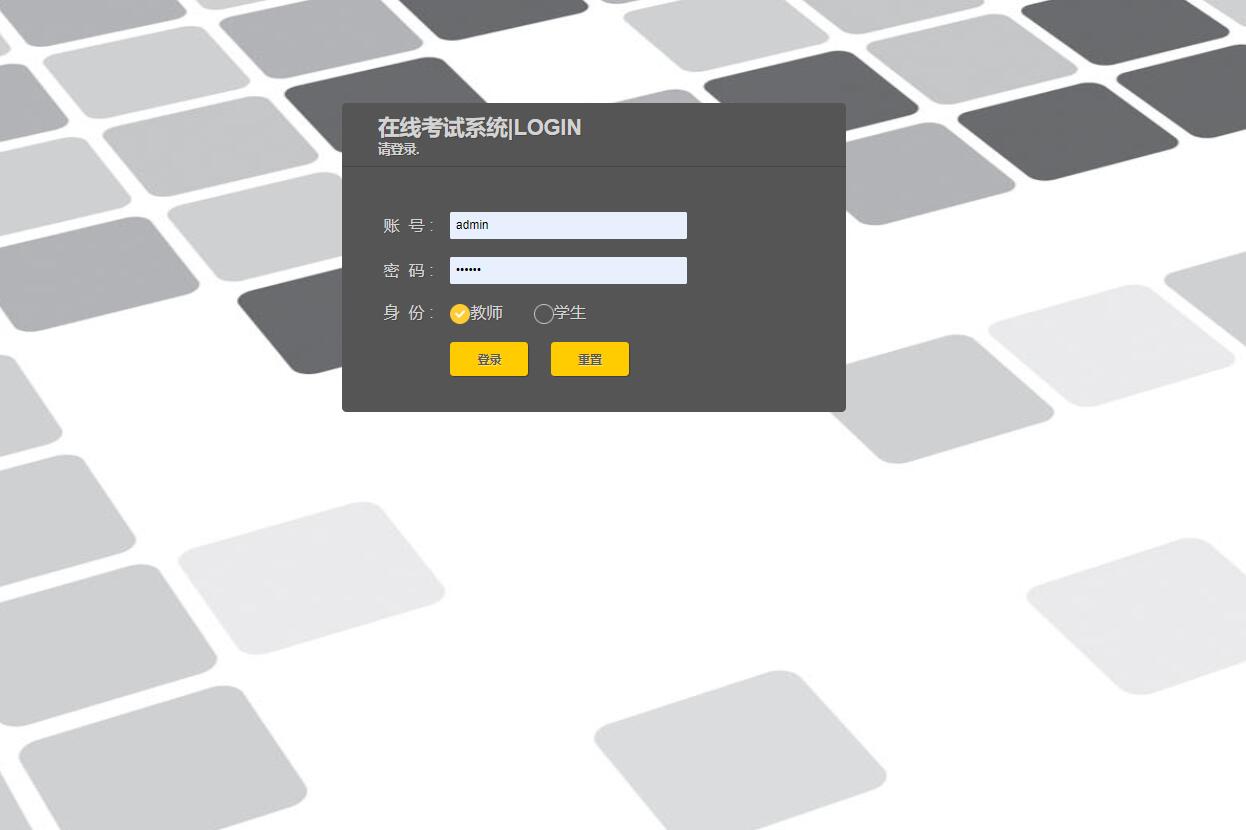
2. 试题管理功能的实现 试题的增删改查是管理员的核心工作,通常通过一个统一的QuestionServlet配合DAO层完成。
// QuestionDAO.java - 新增试题方法
public class QuestionDAO {
    public boolean addQuestion(Question question) throws SQLException {
        String sql = "INSERT INTO question_bank (question_text, option_a, option_b, option_c, option_d, correct_answer, subject, difficulty_level, points, created_by) VALUES (?, ?, ?, ?, ?, ?, ?, ?, ?, ?)";

        try (Connection conn = DatabaseConnection.getConnection();
             PreparedStatement pstmt = conn.prepareStatement(sql)) {

            pstmt.setString(1, question.getQuestionText());
            pstmt.setString(2, question.getOptionA());
            pstmt.setString(3, question.getOptionB());
            pstmt.setString(4, question.getOptionC());
            pstmt.setString(5, question.getOptionD());
            pstmt.setString(6, question.getCorrectAnswer());
            pstmt.setString(7, question.getSubject());
            pstmt.setString(8, question.getDifficultyLevel());
            pstmt.setInt(9, question.getPoints());
            pstmt.setInt(10, question.getCreatedBy());

            int rowsAffected = pstmt.executeUpdate();
            return rowsAffected > 0;
        }
    }
}
DAO层使用PreparedStatement有效防止了SQL注入攻击,并且通过资源自动管理的try-with-resources语句确保了数据库连接的正确释放。
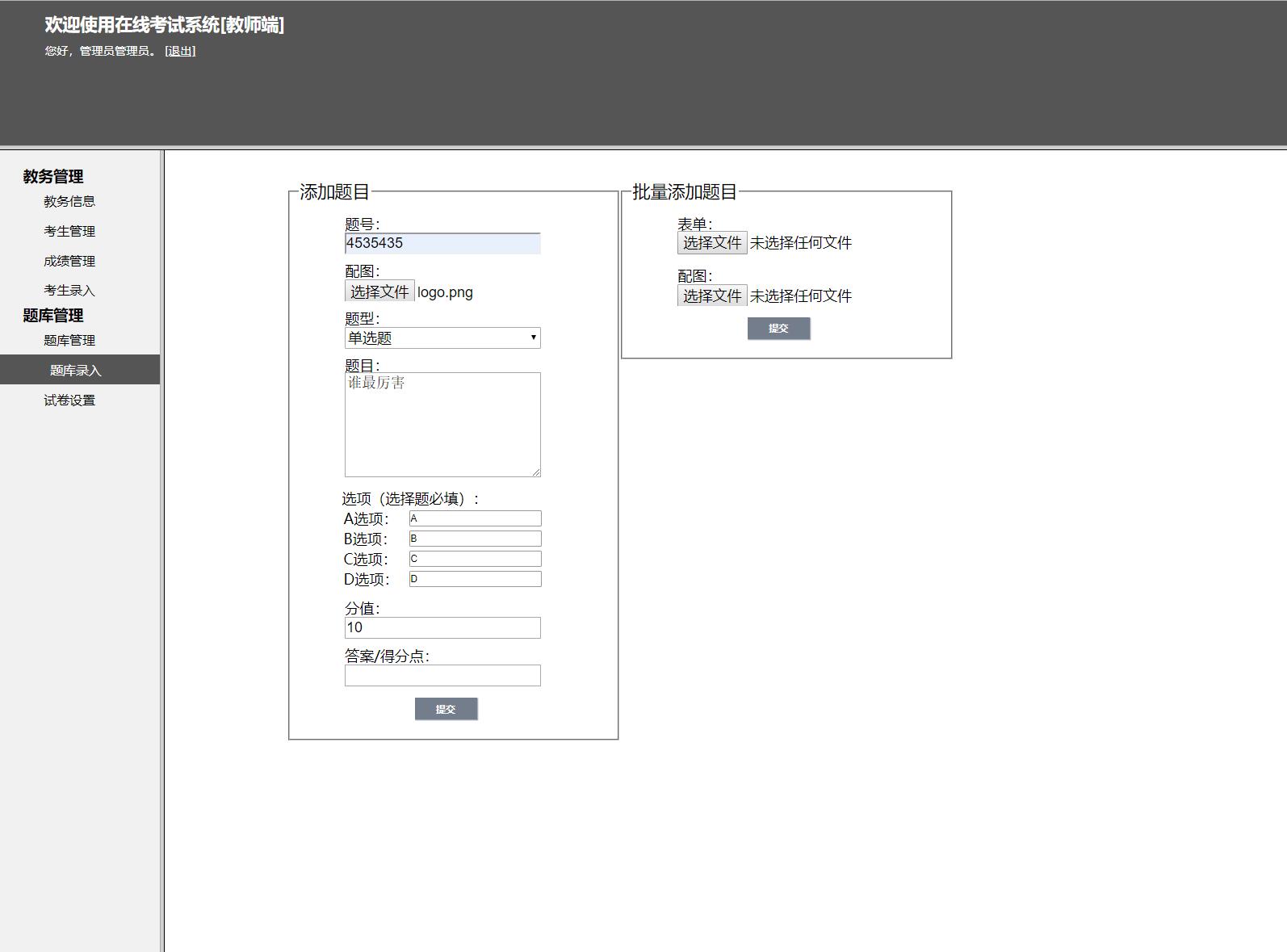
3. 动态组卷与考试逻辑 组卷Servlet根据管理员设定的策略(如科目、难度、题量)从题库中随机抽取题目,生成一份唯一的试卷。
// GeneratePaperServlet.java - 核心组卷逻辑
protected void doPost(HttpServletRequest request, HttpServletResponse response) throws ServletException, IOException {
    String paperName = request.getParameter("paperName");
    String subject = request.getParameter("subject");
    int easyCount = Integer.parseInt(request.getParameter("easyCount"));
    int mediumCount = Integer.parseInt(request.getParameter("mediumCount"));
    int hardCount = Integer.parseInt(request.getParameter("hardCount"));
    int totalTime = Integer.parseInt(request.getParameter("totalTime"));

    PaperService paperService = new PaperService();
    try {
        // 1. 生成新试卷记录,获取paper_id
        int paperId = paperService.createNewPaper(paperName, subject, totalTime);

        // 2. 按难度分级随机抽题
        List<Question> easyQuestions = questionService.getRandomQuestionsByDifficulty(subject, "Easy", easyCount);
        List<Question> mediumQuestions = questionService.getRandomQuestionsByDifficulty(subject, "Medium", mediumCount);
        List<Question> hardQuestions = questionService.getRandomQuestionsByDifficulty(subject, "Hard", hardCount);

        // 3. 将题目关联到试卷
        paperService.assignQuestionsToPaper(paperId, easyQuestions, mediumQuestions, hardQuestions);

        request.setAttribute("message", "试卷 '" + paperName + "' 生成成功!");
    } catch (SQLException e) {
        e.printStackTrace();
        request.setAttribute("error", "组卷失败,请重试。");
    }
    request.getRequestDispatcher("admin/paperManagement.jsp").forward(request, response);
}
此逻辑确保了试卷的多样性和公平性,每次组卷都是一个新的随机集合。
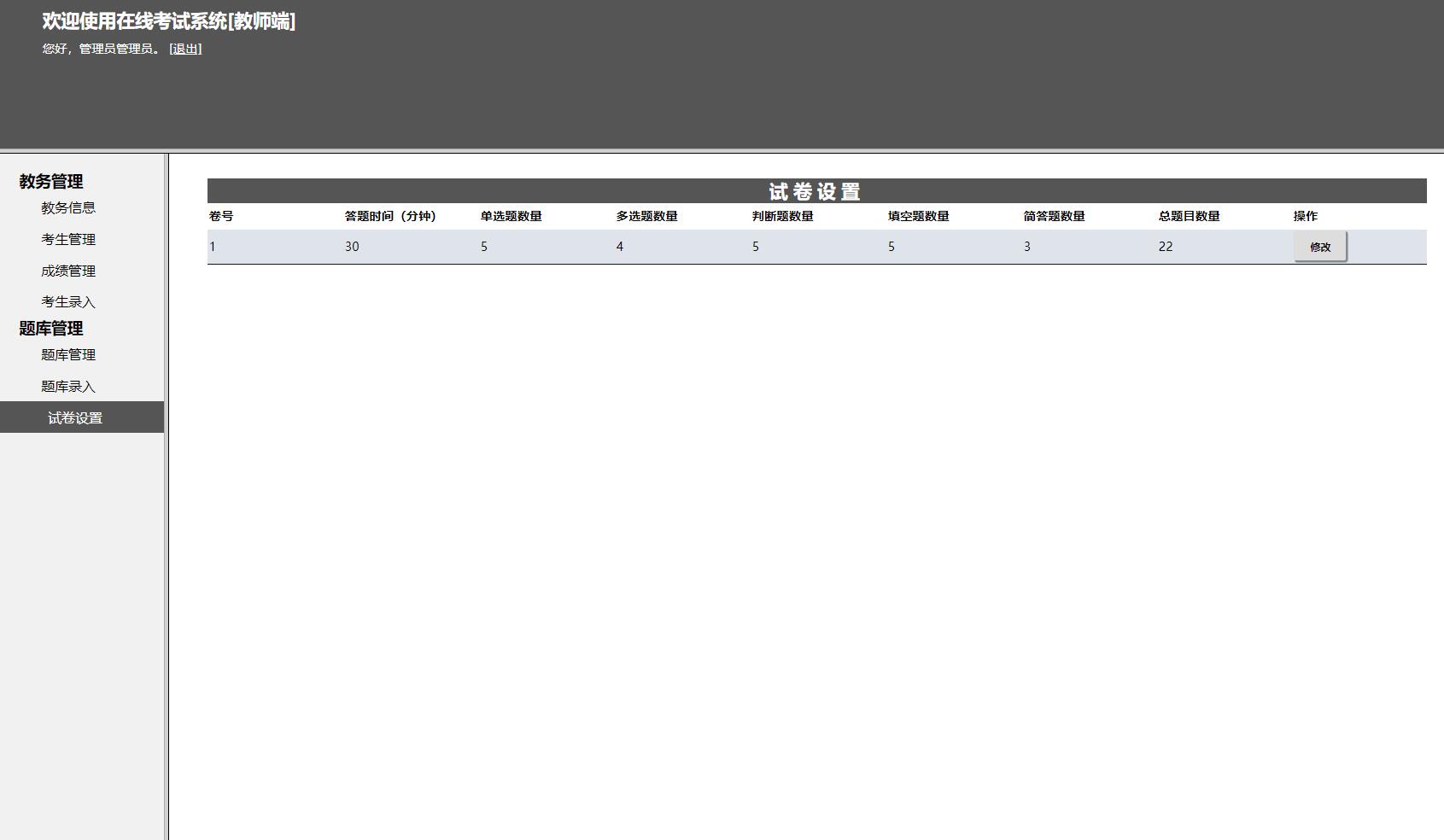
4. 在线考试与实时计时 考生端的考试界面是关键交互场景,需要结合JSP、Servlet和JavaScript共同实现。
<%-- exam.jsp 部分代码 --%>
<script type="text/javascript">
var examDuration = ${examDuration}; // 从Servlet传递过来的考试时长(分钟)
var endTime = new Date().getTime() + (examDuration * 60 * 1000);

function updateTimer() {
    var now = new Date().getTime();
    var distance = endTime - now;
    var minutes = Math.floor((distance % (1000 * 60 * 60)) / (1000 * 60));
    var seconds = Math.floor((distance % (1000 * 60)) / 1000);

    document.getElementById("timer").innerHTML = "剩余时间: " + minutes + "分 " + seconds + "秒";

    if (distance < 0) {
        clearInterval(timerInterval);
        document.getElementById("timer").innerHTML = "时间到!";
        alert("考试时间已结束,系统将自动提交试卷。");
        document.forms['examForm'].submit(); // 自动提交
    }
}
var timerInterval = setInterval(updateTimer, 1000);
</script>

<form id="examForm" action="SubmitExamServlet" method="post">
    <c:forEach var="question" items="${questionList}" varStatus="loop">
        <div class="question">
            <p>${loop.index + 1}. ${question.questionText}</p>
            <input type="radio" name="answer_${question.questionId}" value="A"> A. ${question.optionA}<br>
            <input type="radio" name="answer_${question.questionId}" value="B"> B. ${question.optionB}<br>
            <input type="radio" name="answer_${question.questionId}" value="C"> C. ${question.optionC}<br>
            <input type="radio" name="answer_${question.questionId}" value="D"> D. ${question.optionD}<br>
        </div>
    </c:forEach>
    <input type="submit" value="提交试卷">
</form>
前端JavaScript负责倒计时和超时自动提交,后端Servlet负责在考试开始时记录start_time,并在提交时计算是否超时。
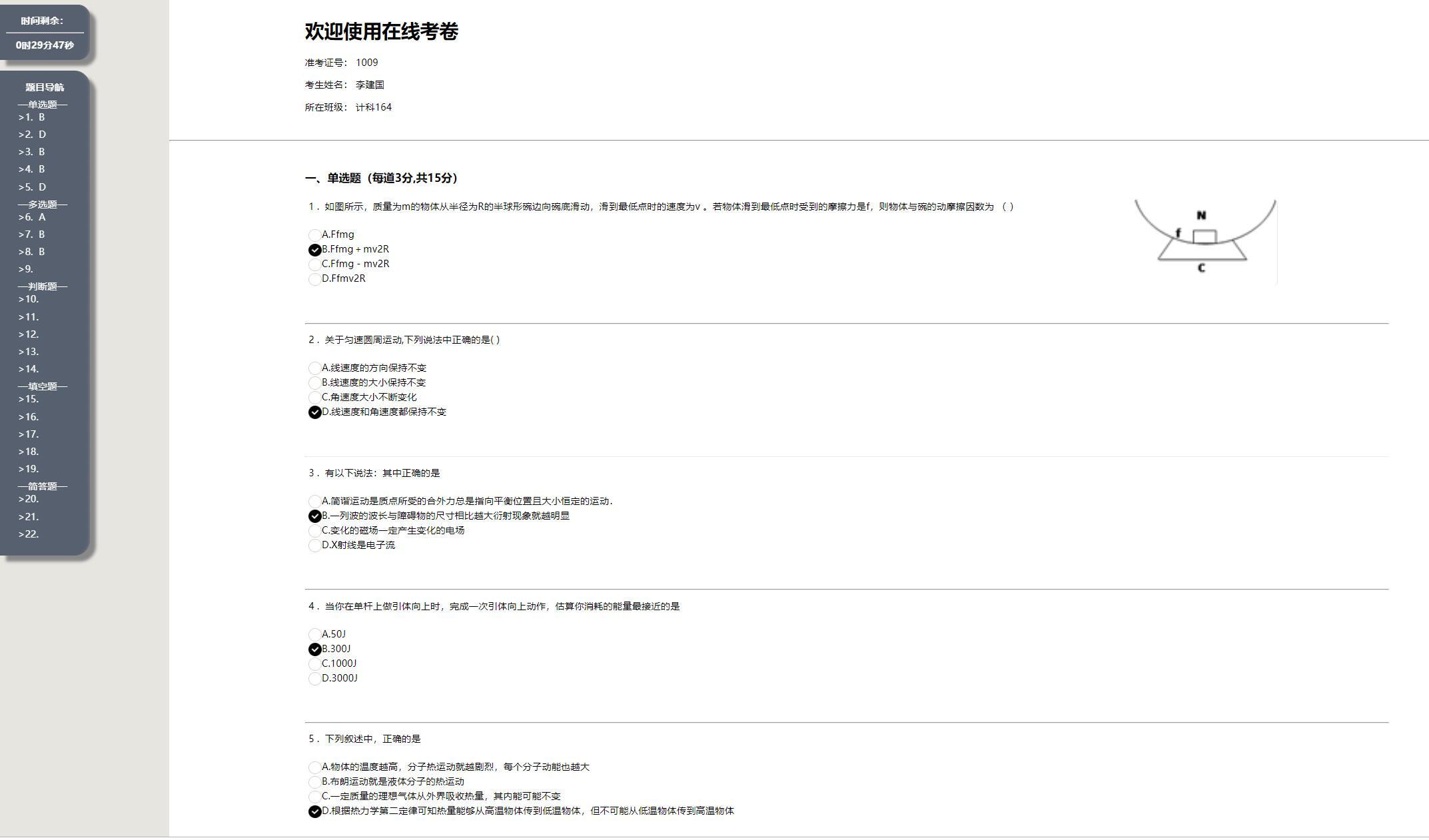
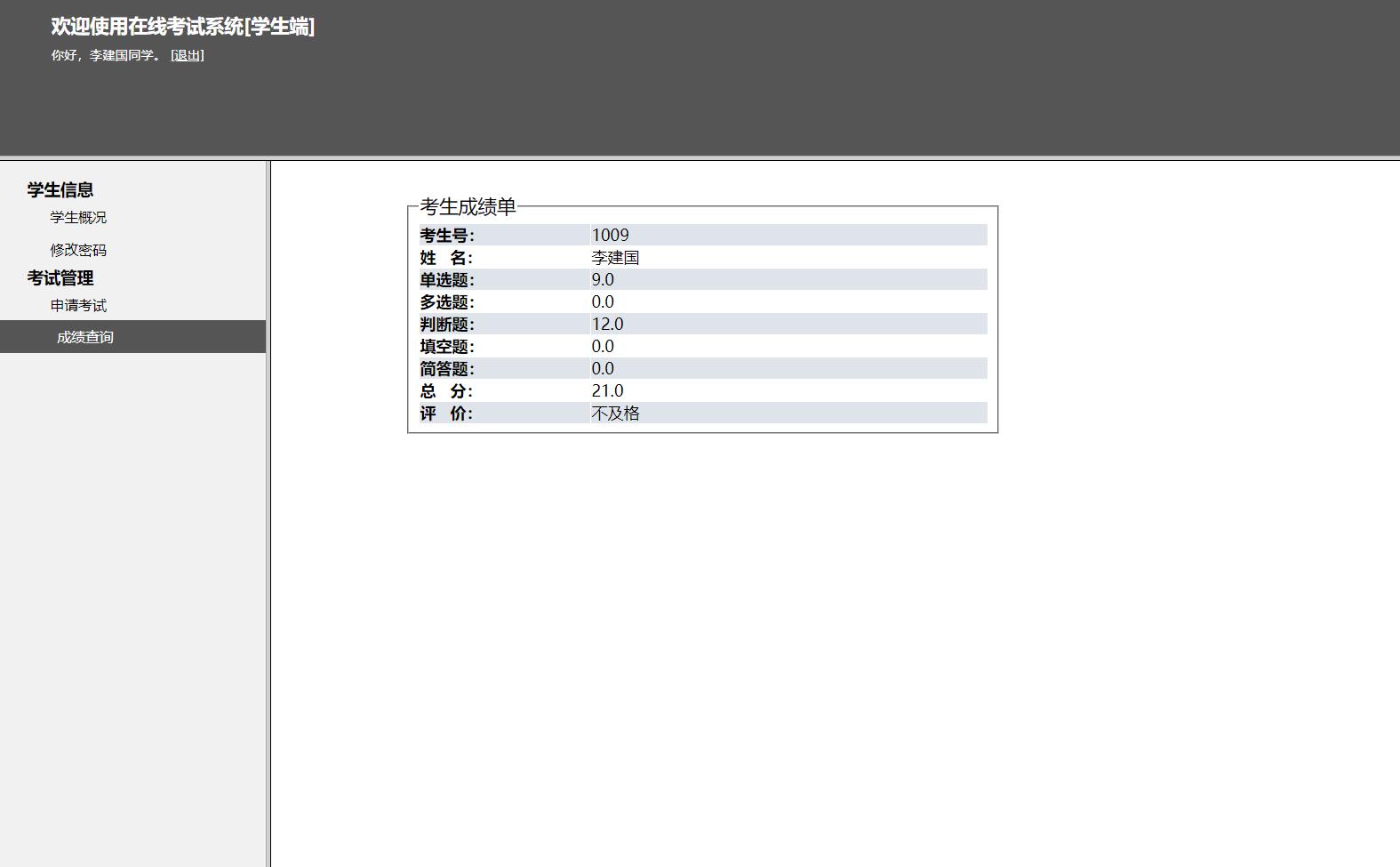
5. 自动阅卷与成绩生成 考生提交试卷后,系统立即调用自动阅卷Servlet,比对答案并生成成绩。
// AutoGradeServlet.java
public class AutoGradeServlet extends HttpServlet {
    protected void doPost(HttpServletRequest request, HttpServletResponse response) throws ServletException, IOException {
        int recordId = Integer.parseInt(request.getParameter("recordId"));
        int candidateId = (Integer) request.getSession().getAttribute("candidateId");

        Map<Integer, String> userAnswers = new HashMap<>();
        // 从请求中解析出用户提交的每一道题的答案
        Enumeration<String> paramNames = request.getParameterNames();
        while (paramNames.hasMoreElements()) {
            String paramName = paramNames.nextElement();
            if (paramName.startsWith("answer_")) {
                int qId = Integer.parseInt(paramName.substring(7));
                String answer = request.getParameter(paramName);
                userAnswers.put(qId, answer);
            }
        }

        GradingService gradingService = new GradingService();
        try {
            GradingResult result = gradingService.gradeExam(recordId, userAnswers);

            // 更新考试记录状态和成绩表
            examRecordService.updateStatus(recordId, "Auto-Graded");
            resultService.saveResult(recordId, candidateId, result.getTotalQuestions(), result.getCorrectAnswers(), result.getCalculatedScore());

            response.sendRedirect("candidate/viewResult.jsp?recordId=" + recordId);
        } catch (Exception e) {
            throw new ServletException("阅卷过程发生错误", e);
        }
    }
}
// GradingService.java - 核心阅卷逻辑
public GradingResult gradeExam(int recordId, Map<Integer, String> userAnswers) throws SQLException {
    GradingResult result = new GradingResult();
    int correctCount = 0;

    // 1. 根据recordId获取本次考试的所有题目及其标准答案
    List<Question> examQuestions = questionDAO.getQuestionsByExamRecord(recordId);
    result.setTotalQuestions(examQuestions.size());

    // 2. 逐题比对答案
    for (Question q : examQuestions) {
        String userAnswer = userAnswers.get(q.getQuestionId());
        String correctAnswer = q.getCorrectAnswer();

        if (correctAnswer != null && correctAnswer.equals(userAnswer)) {
            correctCount++;
        }
    }

    result.setCorrectAnswers(correctCount);
    // 3. 计算得分(假设每题1分)
    result.setCalculatedScore((double) correctCount / result.getTotalQuestions() * 100);

    return result;
}
阅卷服务高效、准确,确保了成绩反馈的即时性,极大提升了用户体验。
系统实体模型与业务逻辑
系统的核心实体包括管理员、考生、试题、试卷、考试记录、成绩。它们之间的交互构成了完整的业务闭环:
- 管理员 创建并管理 试题,将多个 试题 组合成一份 试卷。
- 考生 选择一份 试卷 进行考试,系统创建一条 考试记录 并开始计时。
- 考生 提交答案后,系统根据 试题 的标准答案进行比对,生成 成绩 并关联到 考试记录。
- 管理员 和 考生 均可查询和统计 成绩 信息。
未来功能展望与技术优化方向
- 引入Redis缓存提升性能:将高频访问且变化不频繁的数据(如试题科目列表、难度枚举、活跃的考试信息)缓存至Redis,减轻数据库压力,显著提升系统响应速度。
- 实现更复杂的题型与智能组卷:扩展题库模型,支持多选题、填空题、判断题甚至简答题。对于简答题,可引入关键词匹配或后续集成AI评分接口。组卷策略可升级为基于知识图谱或布鲁姆教育目标分类法的智能推荐。
- 加强考试过程监控与防作弊机制:集成前端JavaScript行为分析,监测切屏频率、答题时间异常等可疑行为,并可考虑引入摄像头实时监控功能(需用户授权)。
- 前后端分离与现代化前端重构:保持当前Servlet作为稳健的API后端,前端逐步采用Vue.js或React等现代化框架重写,构建更具交互性和用户体验的单页面应用。
- 数据报表与可视化分析:为管理员提供更强大的数据看板,包括考试成绩分布图、题目正确率分析、考生能力雷达图等,深度挖掘考试数据价值,为教学评估提供数据支持。
该系统作为一套基于成熟技术的解决方案,其架构清晰,模块划分合理,为教育考核的数字化转型提供了可靠的基础。通过上述优化,可以使其在性能、功能和用户体验上达到更高水平。