在现代饮食文化快速发展的背景下,人们对于烹饪的需求已经从基本的饱腹转变为追求个性化、健康化和社交化的综合体验。然而,海量的网络食谱信息分散且质量参差不齐,用户往往需要花费大量时间筛选适合自己的内容。针对这一痛点,设计并实现了一个基于SSM框架的智能食谱分享与推荐平台,旨在通过技术手段解决食谱发现效率低、个性化需求难满足的问题。
该平台采用经典的三层架构模式,使用Spring作为核心控制容器,管理业务对象的生命周期和依赖注入;SpringMVC处理Web层请求分发,通过注解配置实现灵活的URL映射;MyBatis作为数据持久层框架,通过XML映射文件实现对象关系映射。前端采用HTML+CSS+JavaScript技术组合,配合AJAX实现异步数据交互,提升用户体验。
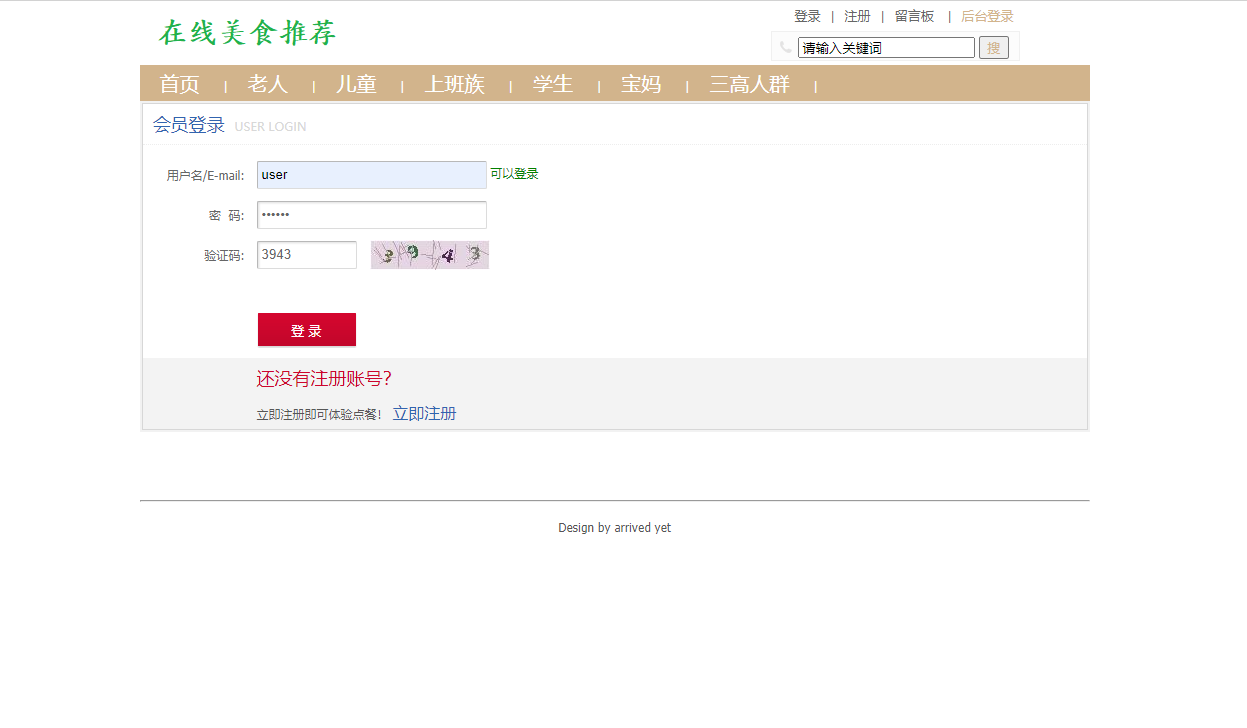
数据库设计亮点分析
平台数据库包含10个核心表,其中食谱分类表的设计体现了良好的扩展性。采用二级分类结构,一级分类定义大的菜系方向(如中餐、西餐),二级分类细化具体类型(如川菜、粤菜)。这种设计支持灵活的内容组织,便于后续的功能扩展。
CREATE TABLE primary_category (
    id INT PRIMARY KEY AUTO_INCREMENT,
    name VARCHAR(50) NOT NULL,
    description TEXT,
    create_time DATETIME DEFAULT CURRENT_TIMESTAMP,
    update_time DATETIME DEFAULT CURRENT_TIMESTAMP ON UPDATE CURRENT_TIMESTAMP
);

CREATE TABLE secondary_category (
    id INT PRIMARY KEY AUTO_INCREMENT,
    primary_id INT NOT NULL,
    name VARCHAR(50) NOT NULL,
    FOREIGN KEY (primary_id) REFERENCES primary_category(id)
);
用户行为记录表的设计支持复杂的推荐算法。该表不仅记录基本的浏览和收藏操作,还包含时间戳和权重字段,为后续的用户行为分析提供数据基础。
CREATE TABLE user_behavior (
    id BIGINT PRIMARY KEY AUTO_INCREMENT,
    user_id INT NOT NULL,
    recipe_id INT NOT NULL,
    behavior_type ENUM('VIEW', 'COLLECT', 'SHARE') NOT NULL,
    weight DECIMAL(3,2) DEFAULT 1.0,
    create_time DATETIME DEFAULT CURRENT_TIMESTAMP,
    INDEX idx_user_behavior (user_id, behavior_type, create_time)
);
核心功能实现解析
- 智能推荐系统 推荐模块采用混合推荐策略,结合协同过滤和基于内容的推荐。通过分析用户的历史行为数据和食谱的标签特征,计算相似度矩阵,生成个性化推荐列表。
@Service
public class RecipeRecommendationService {

    @Autowired
    private UserBehaviorMapper userBehaviorMapper;

    @Autowired
    private RecipeMapper recipeMapper;

    public List<Recipe> generateRecommendations(Integer userId, int limit) {
        // 获取用户行为数据
        List<UserBehavior> behaviors = userBehaviorMapper.selectByUserId(userId);

        // 计算用户偏好向量
        Map<String, Double> userPreference = calculateUserPreference(behaviors);

        // 基于内容相似度计算推荐得分
        List<Recipe> candidates = recipeMapper.selectActiveRecipes();
        Map<Recipe, Double> scores = new HashMap<>();

        for (Recipe recipe : candidates) {
            double score = calculateSimilarity(userPreference, recipe.getTags());
            scores.put(recipe, score);
        }

        // 返回Top-N推荐结果
        return scores.entrySet().stream()
            .sorted(Map.Entry.<Recipe, Double>comparingByValue().reversed())
            .limit(limit)
            .map(Map.Entry::getKey)
            .collect(Collectors.toList());
    }
}
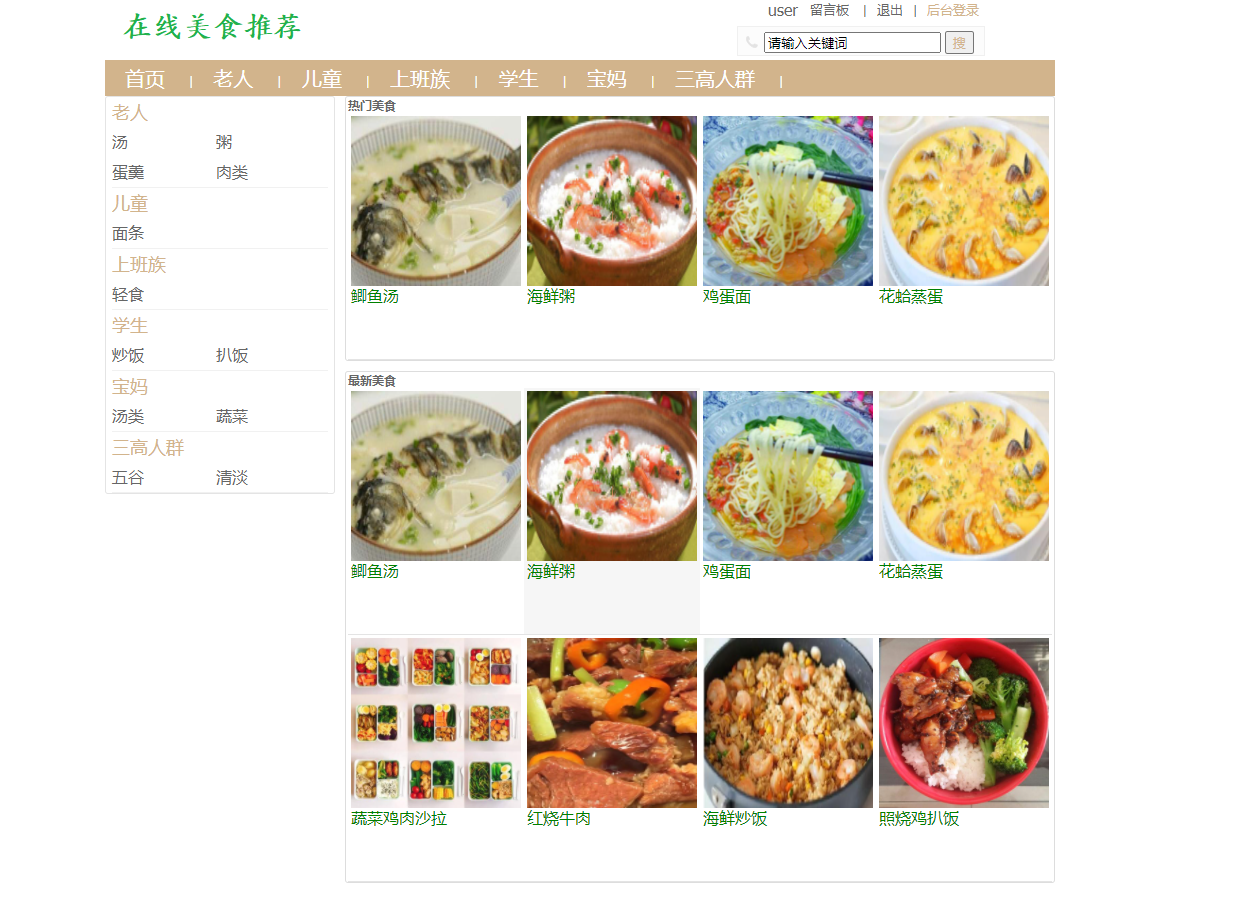
- 食谱内容管理 食谱管理模块支持富文本编辑和多媒体内容上传,采用分段式结构组织食材、步骤和技巧等内容,确保信息的结构化存储和展示。
@Controller
@RequestMapping("/recipe")
public class RecipeController {

    @PostMapping("/create")
    @ResponseBody
    public Result createRecipe(@Valid RecipeDTO recipeDTO,
                              MultipartFile coverImage) {
        try {
            // 处理封面图片上传
            if (coverImage != null && !coverImage.isEmpty()) {
                String imagePath = fileService.saveImage(coverImage);
                recipeDTO.setCoverImage(imagePath);
            }

            // 保存食谱基本信息
            Recipe recipe = recipeConvertor.toEntity(recipeDTO);
            recipeMapper.insert(recipe);

            // 保存食材清单
            saveIngredients(recipeDTO.getIngredients(), recipe.getId());

            // 保存制作步骤
            saveSteps(recipeDTO.getSteps(), recipe.getId());

            return Result.success("食谱创建成功");
        } catch (Exception e) {
            return Result.error("创建失败:" + e.getMessage());
        }
    }
}
- 用户互动系统 平台设计了完整的用户互动机制,包括收藏、评论、评分等功能。通过Redis缓存热点数据,提升系统响应速度。
@Service
public class InteractionService {

    @Autowired
    private RedisTemplate<String, Object> redisTemplate;

    @Autowired
    private CommentMapper commentMapper;

    public void addComment(Comment comment) {
        // 写入数据库
        commentMapper.insert(comment);

        // 更新缓存中的评论计数
        String key = "recipe:comments:count:" + comment.getRecipeId();
        redisTemplate.opsForValue().increment(key, 1);

        // 缓存最新评论
        String latestKey = "recipe:comments:latest:" + comment.getRecipeId();
        redisTemplate.opsForList().leftPush(latestKey, comment);
        redisTemplate.opsForList().trim(latestKey, 0, 9);
    }
}
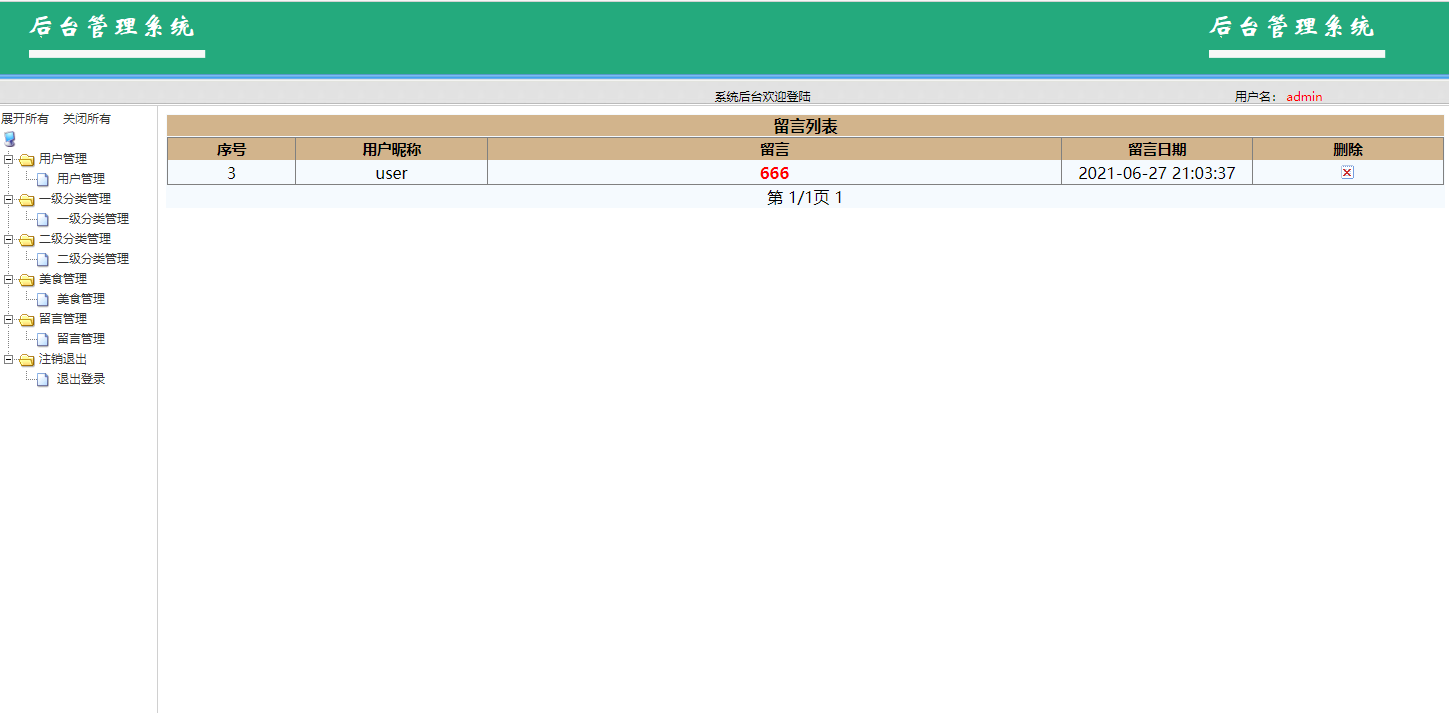
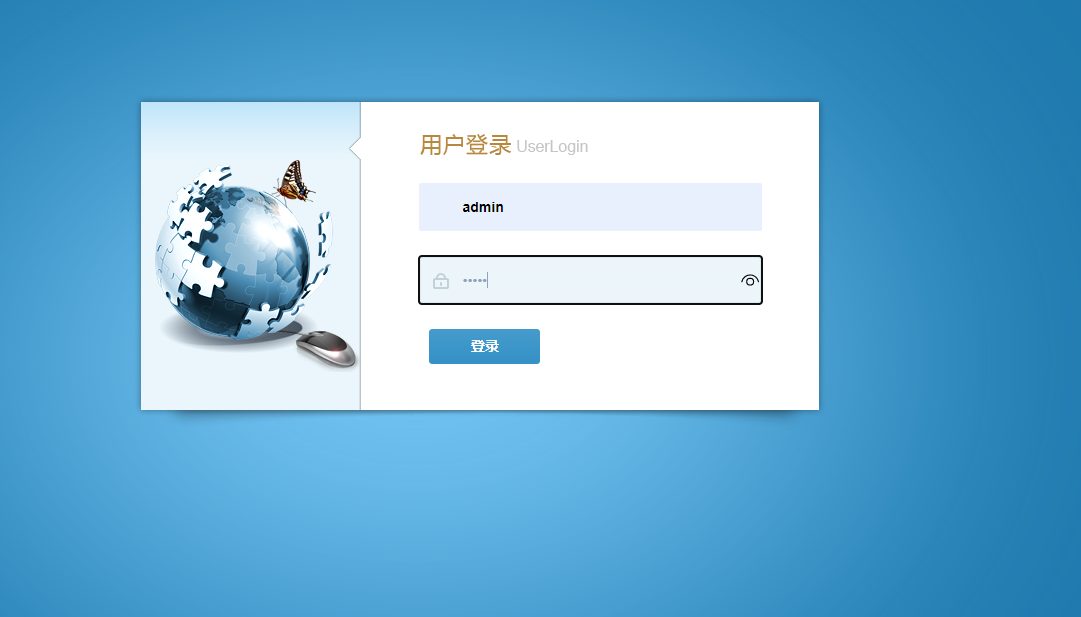
- 后台管理系统 管理员后台提供完整的内容管理功能,包括用户管理、食谱审核、分类管理等。采用RBAC权限模型,确保系统安全。
<!-- 权限拦截配置 -->
<bean id="securityInterceptor" class="com.recipe.platform.interceptor.SecurityInterceptor">
    <property name="excludeUrls">
        <list>
            <value>/admin/login</value>
            <value>/admin/doLogin</value>
            <value>/static/**</value>
        </list>
    </property>
</bean>
实体模型设计
核心实体模型采用面向对象的设计原则,确保数据模型与业务逻辑的高度契合。食谱实体包含完整的内容结构和元数据信息。
@Entity
@Table(name = "recipe")
public class Recipe {
    @Id
    @GeneratedValue(strategy = GenerationType.IDENTITY)
    private Integer id;

    private String title;
    private String description;

    @ManyToOne
    @JoinColumn(name = "user_id")
    private User author;

    @ManyToOne
    @JoinColumn(name = "secondary_category_id")
    private SecondaryCategory category;

    private String coverImage;
    private Integer cookingTime;
    private DifficultyLevel difficulty;

    @OneToMany(mappedBy = "recipe", cascade = CascadeType.ALL)
    private List<Ingredient> ingredients;

    @OneToMany(mappedBy = "recipe", cascade = CascadeType.ALL)
    private List<Step> steps;

    // 省略getter/setter方法
}
性能优化策略
数据库查询优化方面,针对热点查询场景建立了复合索引,并使用连接池管理数据库连接。
@Configuration
public class DatabaseConfig {

    @Bean
    @ConfigurationProperties(prefix = "spring.datasource")
    public DataSource dataSource() {
        return DataSourceBuilder.create()
            .type(HikariDataSource.class)
            .build();
    }

    @Bean
    public SqlSessionFactory sqlSessionFactory() throws Exception {
        SqlSessionFactoryBean sessionFactory = new SqlSessionFactoryBean();
        sessionFactory.setDataSource(dataSource());

        // 配置驼峰命名转换
        org.apache.ibatis.session.Configuration configuration =
            new org.apache.ibatis.session.Configuration();
        configuration.setMapUnderscoreToCamelCase(true);
        sessionFactory.setConfiguration(configuration);

        return sessionFactory.getObject();
    }
}
功能展望与优化方向
移动端适配:开发响应式设计或独立的移动应用,利用React Native或Flutter技术实现跨平台支持,提升移动用户体验。
AI图像识别:集成计算机视觉技术,支持用户通过拍摄食材图片自动生成食谱推荐,使用TensorFlow Lite在移动端实现实时识别。
社交功能增强:添加食谱挑战、烹饪直播等互动功能,采用WebRTC技术实现实时视频通信,增强用户粘性。
智能营养分析:基于食谱食材数据构建营养计算模型,提供卡路里和营养成分分析,帮助用户进行健康饮食管理。
供应链整合:与生鲜电商平台API对接,实现一键购买缺失食材功能,完善烹饪服务闭环。
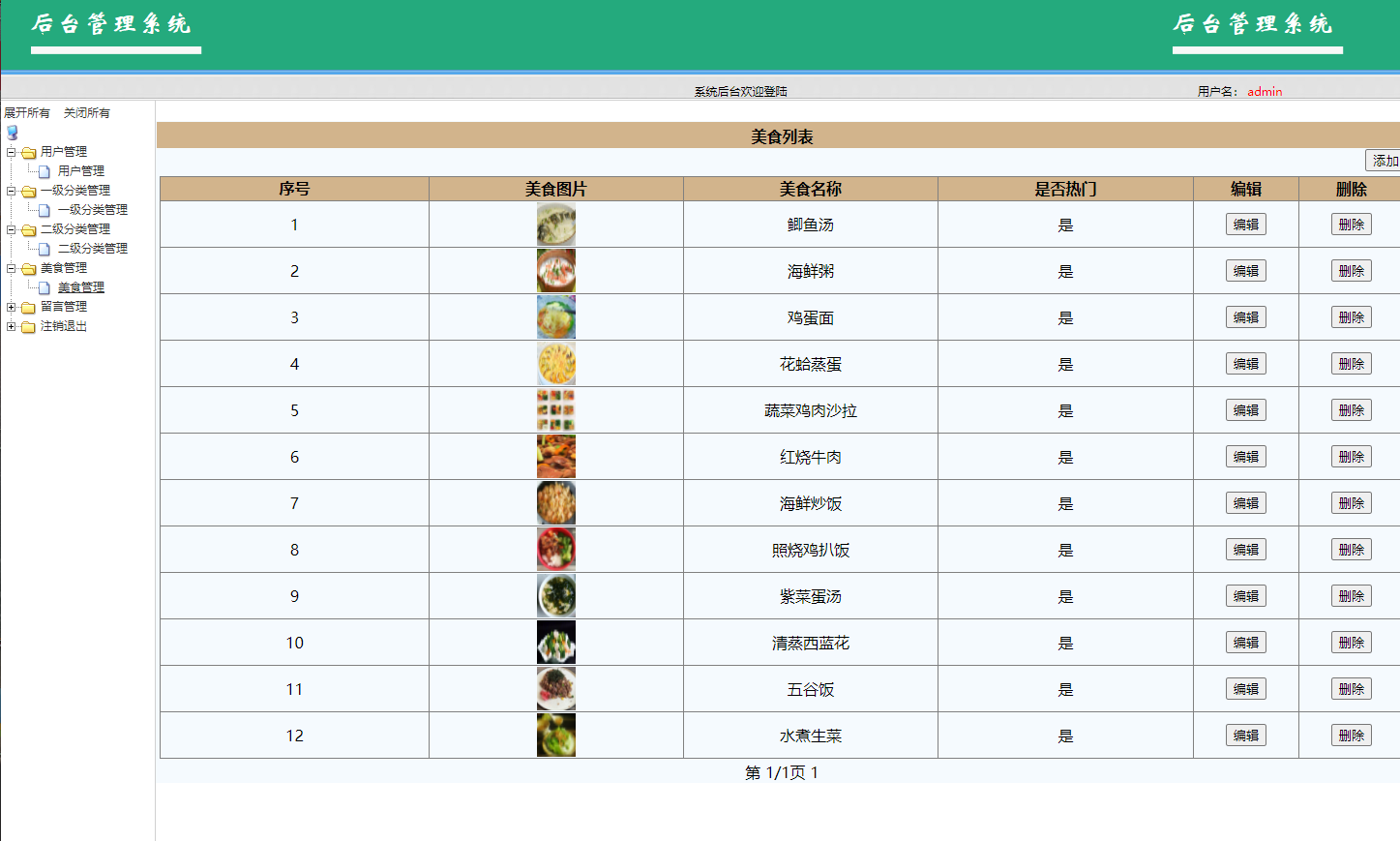
该智能食谱分享平台通过系统化的架构设计和精细的功能实现,为用户提供了高效的食谱发现和个性化的烹饪指导服务。系统采用模块化设计,具备良好的可扩展性和维护性,为后续功能迭代奠定了坚实的技术基础。随着用户数据的积累和算法优化,平台的推荐精准度和用户体验将得到持续提升。